Prominent Anti-Putin Artist Shot Dead in Execution-Style Killing in Eastern Poland
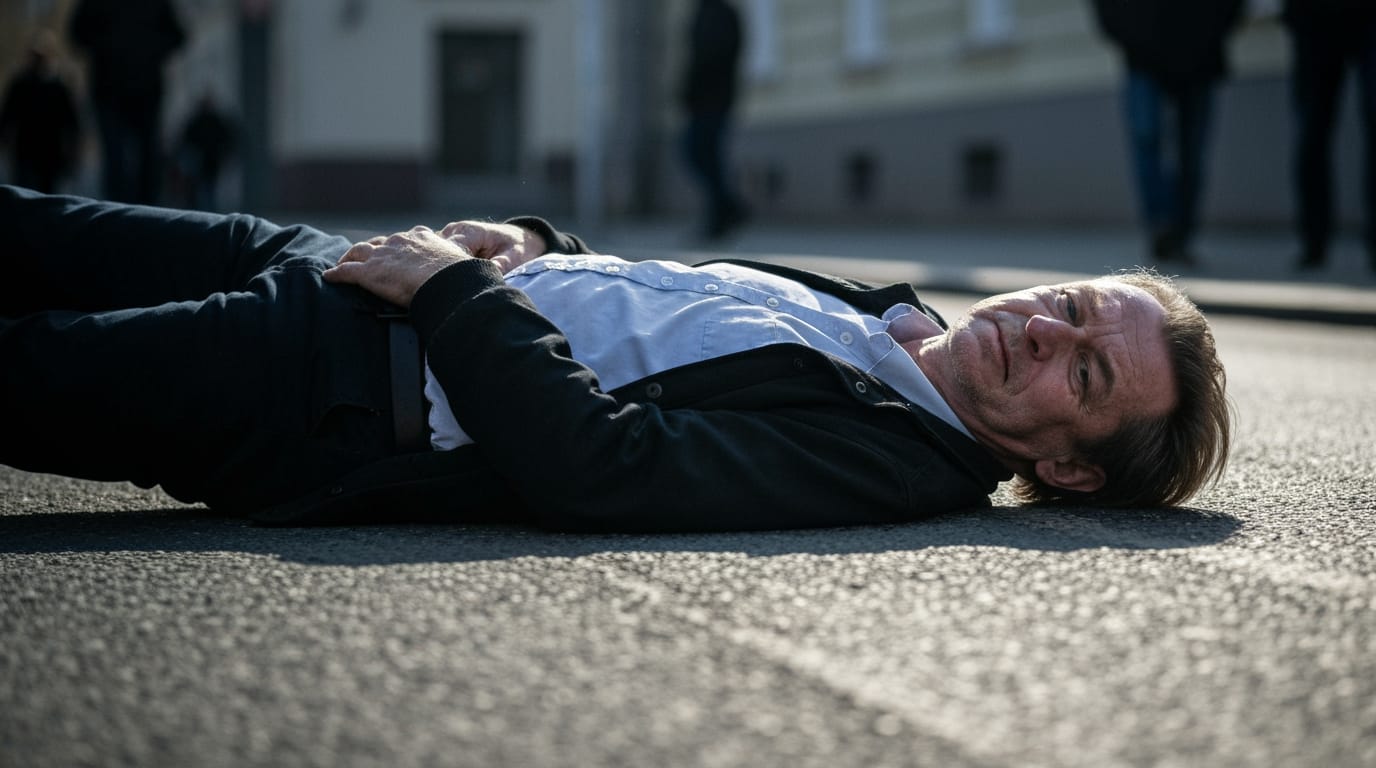
BIAŁA PODLASKA, Poland – Semyon Skrepetsky, a 44-year-old Russian artist and prominent critic of President Vladimir Putin, was shot and killed Monday in Biała Podlaska, a city in eastern Poland near the Belarusian border, in what Polish authorities and media have described as a targeted, "execution-style" killing. The brazen daytime murder of an exiled dissident has ignited fears among Russian critics living abroad and drawn comparisons to previous attacks on Kremlin opponents.
Police confirmed a 44-year-old Russian national, identified by Polish broadcasters as Skrepetsky, whose real name was Robert Kuzovkov, died from multiple gunshot wounds. The incident occurred Monday morning on a street near the city center, with the assailant or assailants fleeing the scene immediately after the attack. The circumstances strongly suggest a premeditated act, according to police spokesman Andrzej Fijolek, who told Polish media, "If someone approaches a specific person on the street and fires shots, everything indicates they planned to kill them."
A Deliberate Act: The Details of the Attack
The brutal nature of Skrepetsky's death has shocked Poland and the international community. Prosecutor Marcin Kozak, a spokesperson for the district prosecutor in Lublin, provided grim details, stating that an unidentified individual fired three shots from a handgun at the victim. As Skrepetsky fell, the assailant approached him and fired two additional shots at close range. An examination revealed five entry wounds and two exit wounds, including fatal shots to the head and chest. The attack took place in a parking lot, underscoring the deliberate and public nature of the act.
Polish authorities quickly launched a comprehensive investigation into the murder. Shortly after the shooting, two Belarusian citizens, aged 33 and 37, were detained near the Belarusian consulate in Biała Podlaska. However, as of Tuesday, no charges have been filed against them, and their involvement in the killing remains under investigation. Polish officials have emphasized that while the detention occurred, it does not confirm their culpability, and intensive efforts are underway to verify their connection to the case. Despite the swift police response, a clear motive for the killing has yet to be officially announced.
Semyon Skrepetsky: A Voice of Dissent in Exile
Semyon Skrepetsky, known artistically for his provocative and often satirical critiques of the Russian government, had been living in Biała Podlaska for several years after leaving Russia in 2021 due to fears of political persecution. His work, which included political cartoons and performance art, frequently targeted President Vladimir Putin, Chechen leader Ramzan Kadyrov, and other figures associated with the Russian establishment. His artistry was characterized by sharp satire, using imagery to mock the Kremlin's power structure and its actions, including the ongoing war in Ukraine.
One of his most recognizable and provocative pieces reinterpreted a classical Orthodox icon, depicting Joseph Stalin cradling a baby Putin in place of the traditional depiction of the Mother of God with the infant Jesus. His last public act, just three days before his murder, was a protest outside the Russian embassy in Berlin on June 12, Russia Day. During this demonstration, Skrepetsky unfurled a Russian flag from his trousers and symbolically threw it into a trash can, also displaying artwork that depicted Stalin feeding a baby Putin. This act, according to his Telegram channel posts hours before his death, had drawn significant ire and threats of violence from what he described as "Russian patriots."
Skrepetsky was also described as a polarizing figure within the broader Russian dissident community, sometimes criticizing Ukrainian authorities and even appearing on the Myrotvorets database, an unofficial Ukrainian website that lists individuals considered "enemies of Ukraine."
Heightened Tensions and the Shadow of Past Attacks
The killing of Skrepetsky comes amidst an already tense geopolitical climate, particularly between Poland and its eastern neighbors, Russia and Belarus. Warsaw has repeatedly accused both Moscow and Minsk of engaging in hybrid warfare operations against Poland, including cyberattacks, sabotage attempts, and weaponized migration along its eastern border. Poland's crucial role as a logistical hub for military and humanitarian aid to Ukraine has further intensified these frictions, making the region a focal point for intelligence activities and potential destabilization efforts.
If confirmed as a politically motivated assassination, Skrepetsky's death would tragically join a growing list of Russian dissidents, journalists, and critics who have been targeted and killed both inside Russia and abroad. Such incidents, including the 2006 murder of journalist Anna Politkovskaya and multiple suspected poisonings of figures like Vladimir Kara-Murza, serve as a chilling reminder of the dangers faced by those who openly oppose the Kremlin. The specific location of the killing, near the Belarusian border, adds another layer of complexity and concern for Polish security services already on high alert.
Unanswered Questions and a Lingering Threat
The investigation into Semyon Skrepetsky's murder is ongoing, with Polish authorities working to piece together the full picture of this audacious attack. The detention of two Belarusian citizens, though uncharged, points to a potential international dimension of the crime, highlighting the interconnected nature of political grievances and actions in the region.
The incident sends a stark message to exiled critics of authoritarian regimes, emphasizing the persistent threats they face even in countries that offer them refuge. The lack of a clear motive and the "execution-style" nature of the killing create an atmosphere of uncertainty and fear. As Polish investigators continue their work, the world watches, awaiting answers that could shed light on the perpetrators and the forces behind an act that has silenced a critical voice and underscored the perilous reality of dissent in today's geopolitical landscape. The murder of Semyon Skrepetsky stands as a grim reminder that for some, the fight for freedom of expression carries the ultimate price.


