Germany's Rail Network Reels as Extreme Heat Forces Travel Warnings and Cancellations
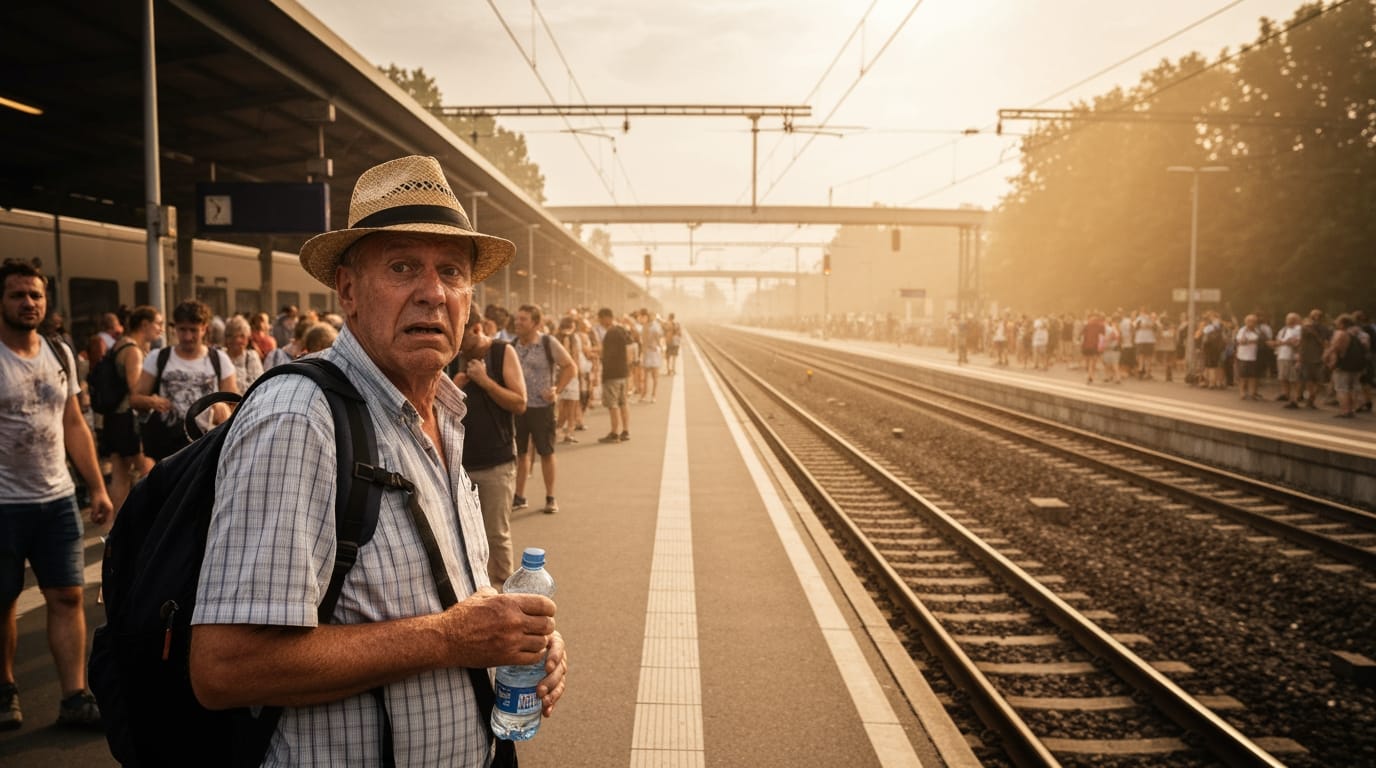
BERLIN, Germany – As Germany braces for a scorching heatwave with temperatures forecast to climb above 40 degrees Celsius (104 Fahrenheit) in some regions, national railway operator Deutsche Bahn (DB) has issued a stark warning, advising against all non-essential rail travel. The unprecedented advisory, coupled with an offer of free ticket cancellations, underscores the profound challenges extreme weather poses to critical infrastructure and daily life across the nation.
The German Meteorological Service (DWD) has issued severe heat warnings, anticipating that large swathes of the country will experience temperatures exceeding 35 degrees Celsius, with some areas potentially hitting the 40-degree mark. This heatwave is part of a broader European phenomenon, with over 101 million people across the continent expected to face temperatures above 35°C today alone. The World Health Organization's Director-General has highlighted the severe risk to lives and urged leaders to invest in resilient health systems and accelerate climate action.
Rail Infrastructure Under Duress
The intense heat puts immense strain on the railway network, leading to a cascade of potential issues. Infrastructure overheating is a primary concern, with a heightened risk of embankment fires developing along the tracks. Flexible components, such as switches, require active cooling as rail temperatures can soar, even though the rails themselves are designed to withstand temperatures up to 60°C. Overhead power lines, known as catenaries, can expand and sag under extreme heat, increasing the risk of snagging on passing trains' pantographs and causing widespread disruption. Furthermore, electronic signaling equipment is vulnerable to failure in such conditions, complicating operations and safety.
Recent incidents illustrate these vulnerabilities. Rail traffic between Frankfurt and Giessen was halted after an overheated train component led to a cable fire that spread to surrounding vegetation, damaging railway cables and causing a signal system failure. Urban rail systems have also felt the impact, with tram services in Heidelberg restricted due to heat-related damage to the bituminous compounds used where rails meet asphalt, which can soften excessively and deform.
Deutsche Bahn's Response and Passenger Impact
In response to the anticipated severe disruptions, Deutsche Bahn has taken the unusual step of advising passengers to postpone their journeys if possible. "To everyone who can forgo their trip in this extreme weather situation, we advise using the special cancellation rule," the operator stated. This marks a first-time "heat special culture" or special regulation, allowing passengers to cancel long-distance tickets purchased by June 23, 2026, for travel between June 25 and June 30, 2026, free of charge.
For those who must travel, Deutsche Bahn has pledged to provide tens of thousands of liters of water at major stations and deploy additional service staff to assist passengers. Nevertheless, travelers should anticipate significant delays, diversions, and cancellations across various routes. The advisory follows a separate, unrelated nationwide rail shutdown just days prior, caused by a failure in the GSM-R railway radio communication system, further highlighting the fragility of the network under strain.
Adapting to a Warming Climate
Deutsche Bahn openly acknowledges its critical infrastructure's high exposure to the operational impacts of climate change. The company has proactively engaged with the Potsdam Institute for Climate Impact Research (PIK) since 2021 to analyze climate scenarios up to 2060. These studies consistently predict a future with significantly more hot days, milder winters, and an increased intensity of extreme weather events, including heavy rains and storms.
In response, DB is intensifying its climate resilience management, strategically and operationally, to prepare for these escalating weather extremes. Key initiatives include a "Climate-Resilient Railway Technology Program" aimed at making vehicles, infrastructure, and buildings more robust. Adaptation measures range from climate-proofing major construction projects, such as the Karlsruhe–Basel line, to developing climate-resilient station environments through features like adapted planting and permeable soils. A dedicated natural hazard management team is also in place to mitigate the consequences of extreme weather events. The German government has allocated a 500 billion euro fund for infrastructure modernization over the next decade, with Deutsche Bahn seeking approximately 150 billion euros for investments in railway safety and climate adaptation.
A Glimpse into the Future
The current heatwave serves as a potent reminder of the escalating challenges posed by a changing climate. As Germany's railway system, a backbone of national transport, grapples with immediate disruptions, the long-term vision involves a comprehensive overhaul and adaptation to ensure its resilience. Deutsche Bahn's ongoing efforts to modernize and climate-proof its extensive network are crucial steps in safeguarding mobility and mitigating the impacts of increasingly frequent extreme weather events.


