Germany's SPD Grapples with Identity Crisis Amidst Shifting Political Landscape
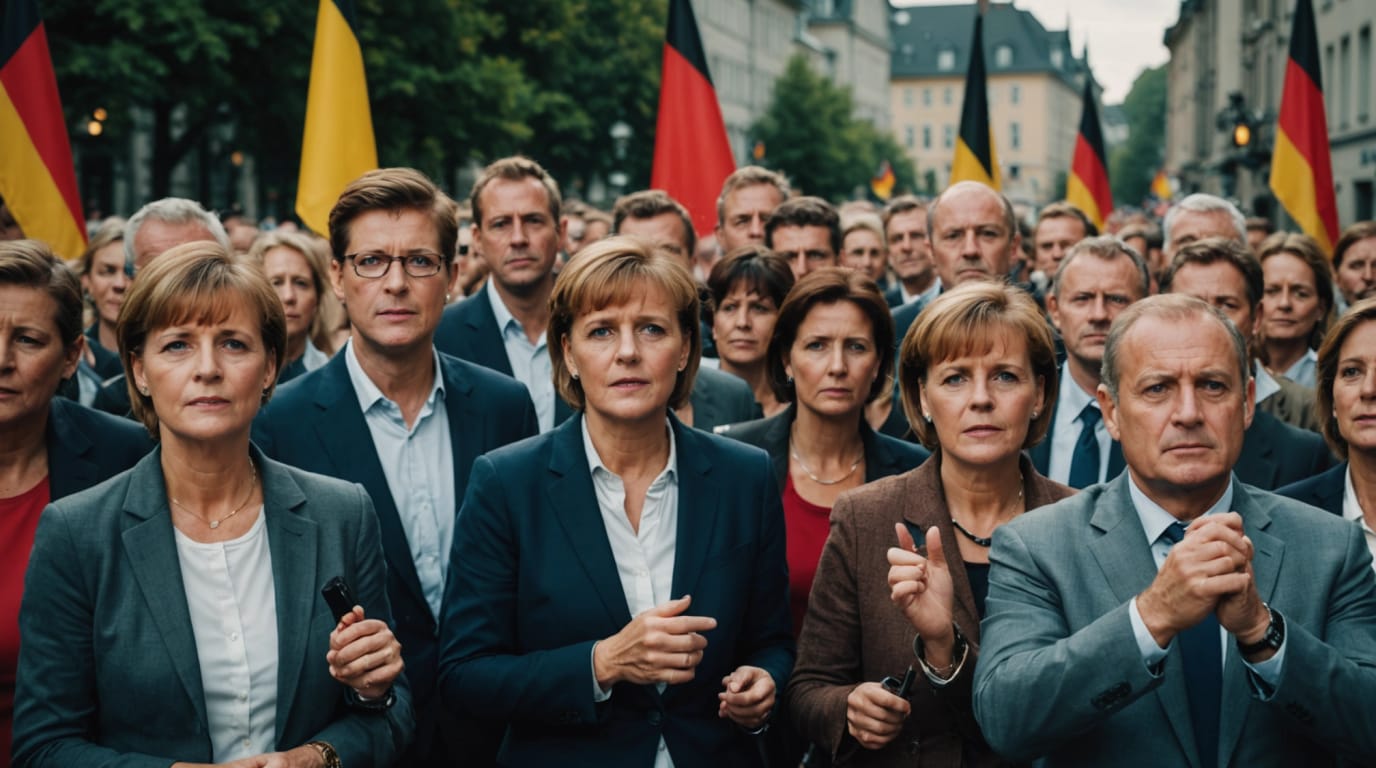
Germany's Social Democratic Party (SPD), the nation's oldest political party, finds itself navigating a complex and challenging environment as it attempts to maintain relevance in a rapidly changing political landscape. Founded in 1875, the SPD has been a cornerstone of German politics for over a century, championing social justice, workers' rights, and economic equality. However, recent electoral setbacks and internal divisions have left the party searching for a path forward, caught between the pressures of globalization, the rise of populist movements, and the need to appeal to a diverse electorate.
Historical Roots and Evolution
The SPD's origins lie in the burgeoning industrial era of the late 19th century, when it emerged as a voice for the working class. The party's early years were marked by ideological debates between revisionists and orthodox Marxists, as well as persecution under Chancellor Otto von Bismarck. Despite these challenges, the SPD steadily gained support, becoming a major force in German politics by the early 20th century.
Following World War II, the SPD played a crucial role in rebuilding Germany and establishing a social market economy. Under leaders like Willy Brandt, the party pursued a policy of détente with Eastern Europe, earning international recognition and contributing to the easing of Cold War tensions. In more recent decades, the SPD has been a key player in successive coalition governments, shaping policies on issues ranging from immigration to energy transition.
Recent Electoral Setbacks and Internal Divisions
Despite its long history and significant contributions, the SPD has faced a series of electoral setbacks in recent years. The party's share of the vote in national elections has declined, reflecting a broader trend of fragmentation in the German party system. Several factors have contributed to this decline, including the rise of alternative parties, changing demographics, and a perceived disconnect between the SPD's traditional base and its current policies.
Internal divisions have also plagued the SPD, particularly regarding the party's stance on economic and social issues. Some members advocate for a return to the party's socialist roots, while others favor a more centrist approach. These divisions have made it difficult for the SPD to present a united front and articulate a clear vision for the future.
Navigating a Shifting Political Landscape
The SPD's current predicament is further complicated by the broader shifts occurring in the German and European political landscapes. The rise of populist movements, both on the right and the left, has challenged the traditional dominance of mainstream parties. These movements often appeal to voters who feel left behind by globalization and disillusioned with established political institutions.
The SPD must also contend with the increasing complexity of modern policy challenges, such as climate change, digitalization, and migration. These issues require innovative solutions and cross-party cooperation, making it difficult for any single party to claim a monopoly on policy expertise.
The Search for a New Identity
In light of these challenges, the SPD is engaged in a process of self-reflection and renewal. The party is seeking to redefine its identity and develop a platform that resonates with a broader range of voters. This process involves addressing key questions about the SPD's core values, its relationship with the working class, and its vision for the future of Germany.
Some within the SPD argue that the party needs to reconnect with its historical roots and offer a more radical critique of capitalism. They advocate for policies such as increased social spending, stronger labor protections, and greater regulation of financial markets. Others believe that the SPD should adopt a more pragmatic approach, focusing on policies that promote economic growth and innovation while also addressing social inequalities.
Implications for German Politics
The SPD's struggles have significant implications for the future of German politics. As one of the country's two main parties, the SPD plays a crucial role in shaping the political agenda and forming coalition governments. A weakened SPD could lead to greater political instability and make it more difficult to address the pressing challenges facing Germany.
Moreover, the SPD's decline could have broader implications for the future of social democracy in Europe. As one of the oldest and most influential social democratic parties in the world, the SPD's experiences offer valuable lessons for other parties facing similar challenges. Whether the SPD can successfully navigate its current crisis will depend on its ability to adapt to changing circumstances, bridge internal divisions, and articulate a compelling vision for the future.
The Social Democratic Party stands at a crossroads. Its ability to reconcile its historical legacy with the demands of a rapidly evolving world will determine its future relevance and its capacity to shape the course of German politics in the years to come. The path forward requires a delicate balance of staying true to its core values while embracing new ideas and approaches.


