Germany's Tenants Face Rising Temperatures: A Call for Urgent Heat Protection Reforms
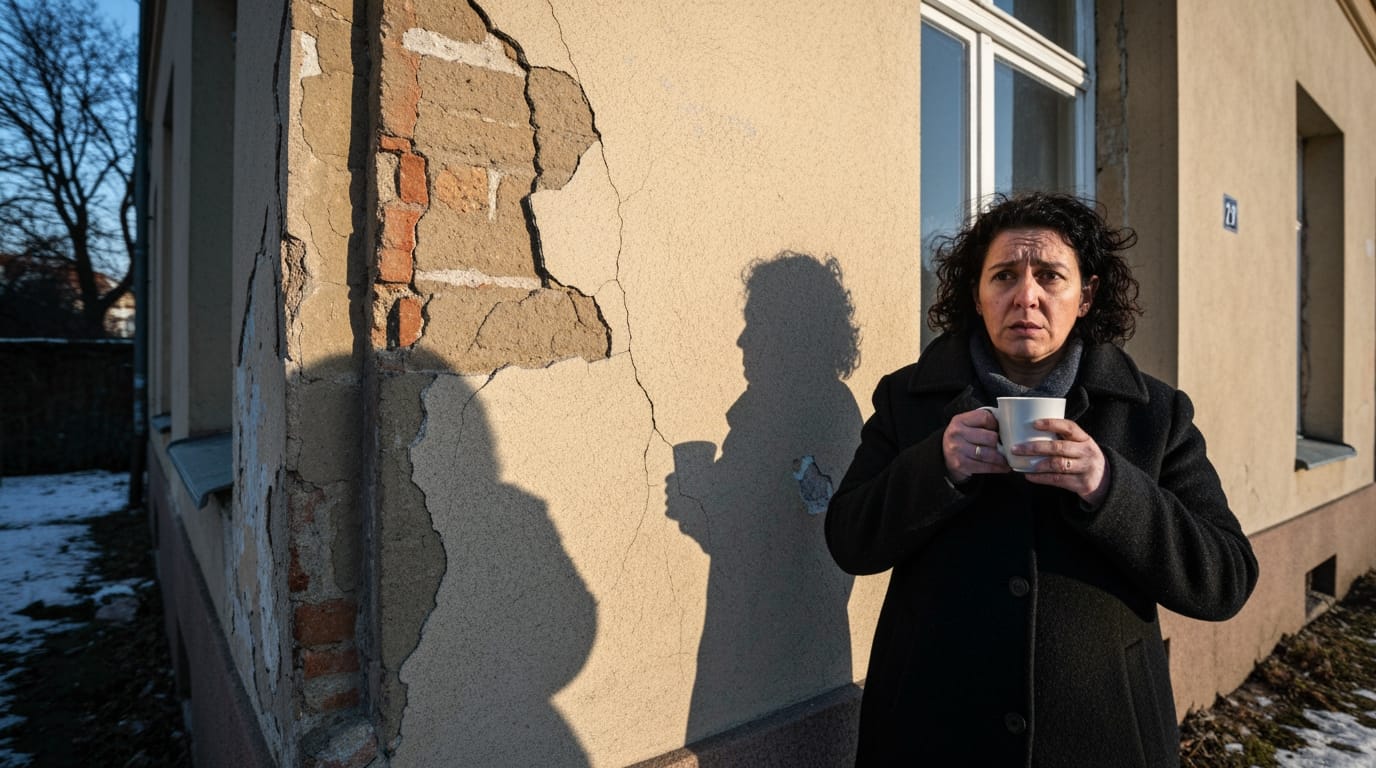
BERLIN, Germany — As heatwaves intensify and become more frequent across Germany, millions of tenants are grappling with residential buildings ill-equipped to handle rising temperatures, exposing them to significant health risks and diminishing living standards. While robust regulations protect tenants from inadequate heating during colder months, a glaring legislative gap leaves many vulnerable to scorching indoor conditions, prompting urgent calls for comprehensive heat protection measures. The issue is transforming from a seasonal discomfort into a critical public health and housing challenge, demanding immediate attention from policymakers and property owners alike.
The Escalating Crisis of Overheated Homes
Germany has experienced a marked increase in the frequency and intensity of heat events, with the average temperature in the past decade approximately 2 degrees Celsius above pre-industrial levels. Eight of the ten hottest summers since 1881 have occurred in the last three decades, a trend directly linked to climate change. This climatic shift is translating into dangerously high indoor temperatures for many, particularly within Germany's aging building stock. Reports indicate that 11.2 million buildings are currently not adequately prepared for rising temperatures, with over half of Germans believing their homes are ill-equipped to cope with heatwaves.
The consequences for residents are severe and widespread. A recent nationwide survey revealed that nearly one in three Germans has experienced heat-related health problems, including exhaustion, sleep disruption, and circulatory issues. Women appear disproportionately affected, reporting higher instances of these symptoms. Beyond physical ailments, extreme heat is increasingly linked to mental health impacts, with studies noting higher hospital admissions for mental and behavioral disorders following heatwaves. Vulnerable populations, including the elderly, children, and individuals with pre-existing conditions such as cardiovascular, respiratory, or kidney diseases, face heightened risks, exacerbating chronic illnesses and, in extreme cases, leading to increased mortality. Germany estimated around 4,500 heat-related deaths in 2022, highlighting the urgent need for action.
A Regulatory Imbalance: Heat vs. Cold Protection
Current German tenancy law provides clear mandates for landlords regarding heating during the colder months, typically from October 1 to April 30. During this period, living rooms must be able to reach between 20-22 degrees Celsius, with bathrooms at 22 degrees Celsius. Failure to meet these minimums constitutes a defect, entitling tenants to demand repairs and potentially rent reductions.
However, no comparable, explicit legal framework exists for maximum indoor temperatures during summer. While the Building Energy Act (GEG) and DIN 4108-2 specify requirements for summer thermal insulation in new buildings and during major renovations, these provisions often do not apply retroactively to the vast majority of existing rental properties. This creates a significant disparity, where tenants are protected from the cold but largely exposed to escalating heat.
Existing tenant rights regarding heat are largely reactive and derived from court precedents rather than codified statutes. If an apartment becomes "unbearably hot," tenants may be entitled to a rent reduction or even lease termination. Examples include an attic apartment reaching 46 degrees Celsius, or sustained indoor temperatures of 30 degrees during the day and over 25 degrees at night. However, legal interpretations can vary; some courts have ruled that tenants in apartments with large windows, particularly attic dwellings, should anticipate higher summer temperatures, potentially limiting their claims. Furthermore, tenants typically cannot demand the installation of external shading devices, as this responsibility rests with the landlord to ensure the property is fit for contractual use.
The Economic and Infrastructural Hurdles
Addressing the heat vulnerability of Germany's building stock presents a substantial economic and logistical challenge. Estimates suggest that climate-proofing buildings for heat protection alone could cost between 44 billion and 107 billion euros by 2035. Despite this, the current pace of adaptation is deemed "far too slow." The national renovation rate for residential buildings currently stands at less than one percent annually, falling significantly short of the levels needed to meet climate targets and enhance resilience.
The focus on climate-friendly heating systems, as outlined in the revised Building Energy Act (GEG) – also known as the "heating law" – aims to reduce emissions and promote renewable energy use. While these reforms are crucial for long-term climate goals, they primarily address the source of heating, not necessarily the prevention of overheating. Concerns have been raised by organizations like the German Tenants' Association (DMB) that provisions within the new heating law, such as cost-sharing mechanisms for new heating systems between landlords and tenants, could inadvertently lead to higher costs for tenants, particularly those residing in older, energy-inefficient buildings. This highlights the need for integrated solutions that address both energy efficiency for heating and adequate protection from heat.
A growing trend toward installing air conditioning units offers a short-term solution for some but raises broader concerns. In 2025, 4.3 percent of new residential buildings had cooling systems, more than double the figure from a decade prior. However, real estate experts warn that relying solely on air conditioning is not a sustainable long-term strategy. Widespread use of air conditioning strains energy grids during peak heat periods and often postpones the fundamental issue of poorly insulated buildings. Experts advocate for a holistic approach to heat resilience, integrating improved insulation, external shading, strategic ventilation, and urban planning that includes green spaces and water management.
Calls for Comprehensive Action
Tenant associations and environmental groups are advocating for more proactive and binding measures to ensure heat protection for all residents. They call for clear legal standards defining maximum indoor temperatures and mandatory requirements for summer thermal insulation in rental properties, not just new builds. These measures would shift the burden from individual tenants seeking rent reductions to a more systemic responsibility for landlords to provide habitable living conditions year-round.
Policymakers face the complex task of balancing climate goals, housing affordability, and public health. Strategies under discussion include enhancing existing funding programs for energy-efficient renovations to specifically incorporate heat protection measures, and potentially introducing minimum energy performance standards for existing buildings. Such initiatives could accelerate the thermal modernization of buildings, reducing both heating demands in winter and overheating risks in summer.
Moreover, there is a growing consensus that heat protection must become an integral part of urban development. This includes designing cities and buildings to be heat-resilient, fostering green infrastructure, and optimizing energy supplies to prevent blackouts during peak demand for cooling. The goal is to move beyond reactive solutions and embed heat protection into the very fabric of Germany's housing and urban planning policies, ensuring livable cities and homes for future generations.
A Pivotal Moment for Germany's Housing Future
The escalating climate crisis is forcing Germany to confront the vulnerabilities within its housing sector. While significant strides have been made in addressing cold weather protection and energy efficiency for heating, the challenge of extreme heat demands equally robust and clear regulatory responses. The well-being of millions of German tenants depends on legislative action that recognizes heat protection as a fundamental right, ensuring that homes remain safe and comfortable, even as global temperatures continue their upward trajectory. This moment presents an opportunity to create a more resilient, equitable, and climate-adapted housing landscape for all.


