Germany's Unseen Jails: The Enduring Conundrum of Fare Evasion and Imprisonment
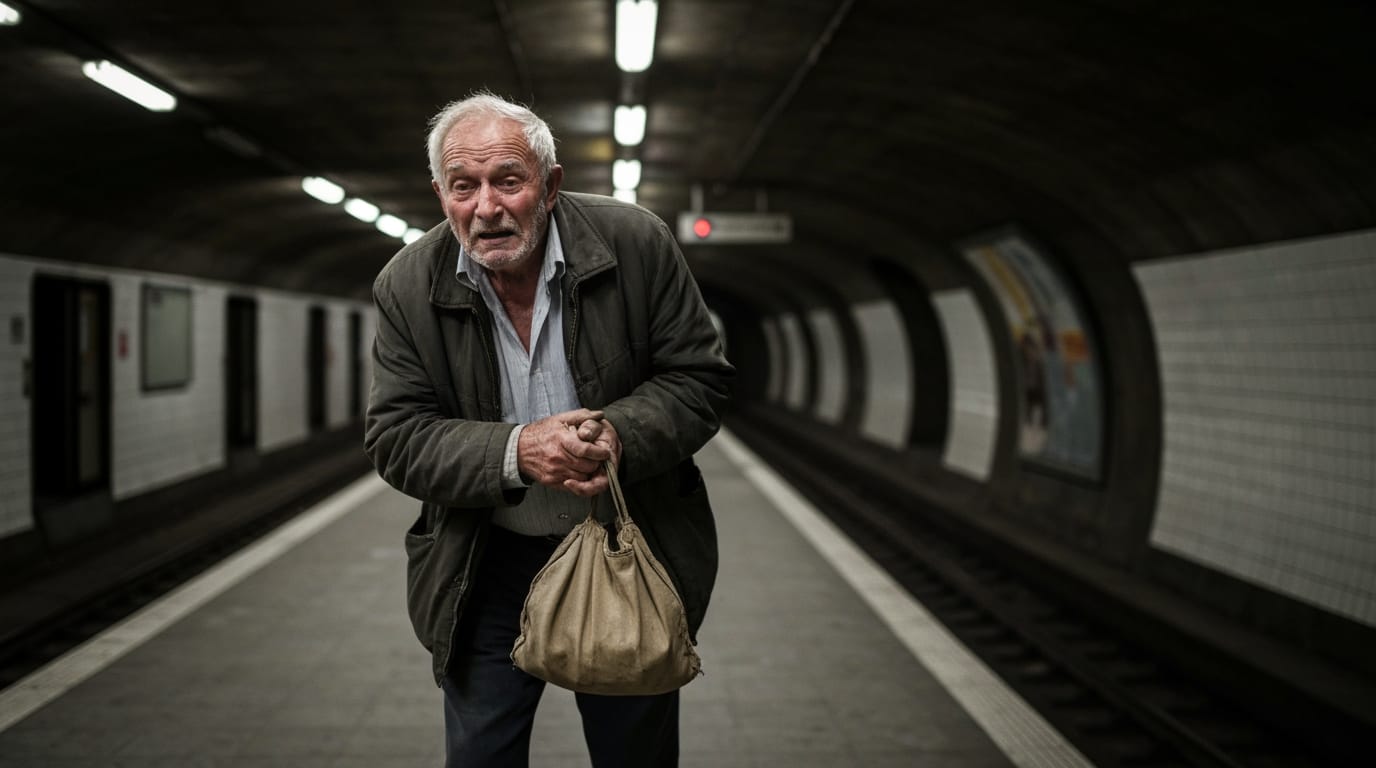
Berlin, Germany – In a nation celebrated for its efficient public transport, an unsettling reality persists beneath the surface: riding a train or bus without a valid ticket can, in Germany, ultimately lead to a prison sentence. Far from being a mere administrative infraction, fare evasion is a criminal offense under German law, a distinction that has sparked a fervent national debate over justice, social equity, and the efficacy of current punitive measures.
The legal framework classifying fare evasion as a crime stems from Section 265a of the German Criminal Code, known as Erschleichen von Leistungen (obtaining services by deception). This statute, notably enacted during the Nazi era in 1935, carries a potential penalty of a fine or up to one year in prison. While an initial offense typically results in a €60 penalty fare, the consequences can rapidly escalate for those unable or unwilling to pay. Unpaid fines are not simply forgotten; they can be converted into substitute imprisonment, known as Ersatzfreiheitsstrafe, effectively sending individuals to jail for economic inability rather than direct fraudulent intent.
The Escalation to Incarceration: A Vicious Cycle
Each year, between 7,000 and 9,000 individuals are imprisoned in Germany for failing to pay public transport fines. These are not individuals directly sentenced to jail for the act of fare evasion itself, but rather for their inability to settle the monetary penalties imposed. Studies indicate that those affected are predominantly from vulnerable socioeconomic backgrounds. Data from the Freiheitsfonds (Freedom Fund), a German initiative campaigning for the decriminalization of fare evasion, highlights that 87% of those imprisoned are unemployed, 15% are homeless, and another 15% are deemed at risk of suicide. This demographic profile underscores critics' arguments that the law disproportionately punishes poverty, trapping already marginalized individuals in a punitive cycle.
The financial burden on the state is also substantial. Legal proceedings and the cost of incarceration for fare evasion cases amount to approximately €200 million annually. Housing a single inmate can cost the state up to €150 per day. Critics argue that these public funds could be more effectively utilized in addressing the root causes of fare evasion, such as social inequality, rather than perpetuating a system that often exacerbates it.
A Divisive Debate: Justice Minister Calls for Reform
The current system has ignited a robust debate, with prominent voices calling for a fundamental shift. Federal Justice Minister Stefanie Hubig of the Social Democrats (SPD) has publicly questioned the wisdom of incarcerating individuals who cannot afford a ticket, arguing there are "good reasons for decriminalization." She contends that the prosecution of such cases strains the justice system, diverting resources that could be better deployed for more serious crimes. The German Bar Association (DAV) echoes this sentiment, with its spokesperson, Swen Walentowski, stating that the "social benefit of criminalisation is doubtful, while the harm to the general public is immense."
Civil society organizations like Freiheitsfonds have taken direct action, raising over €800,000 by September 2023 to pay fines and secure the release of approximately 850 individuals from prison. The initiative estimates that its efforts have saved the German state an average of €150 per day per released prisoner, demonstrating the economic inefficiency of current practices. Supporters of decriminalization propose alternatives ranging from higher administrative fines without criminal records to community service or social penalties, believing these approaches could be more effective and equitable.
Opposition to Decriminalization: Deterrence and Revenue Concerns
Despite the growing calls for reform, significant opposition remains. The conservative CDU and FDP parties, along with police unions and the Association of German Transport Providers (VDV), staunchly reject the idea of decriminalizing fare evasion. Their primary concern is that such a move would weaken enforcement, trivialize the offense, and ultimately lead to a significant increase in fare evasion rates. Andreas Roßkopf, head of the Federal Police division of the Police Union (GdP), warned that decriminalization could make fare evasion commonplace and undermine compliance.
Public transport companies, which rely on ticket sales for revenue, claim to lose hundreds of millions of euros annually to fare evasion. Berlin's public transport operator, BVG, for instance, reported losing €20 million per year to fare evasion, which accounted for around 3% of passengers in 2018. The VDV argues that decriminalization would send "a totally wrong signal" and compromise the sector's ability to fund salaries, infrastructure, and security. They emphasize that the threat of imprisonment acts as a crucial deterrent, and removing it could be detrimental to the financial sustainability of public transport services.
A Complex Path Forward
The debate surrounding fare evasion in Germany encapsulates a fundamental tension between legal punishment and social justice. While the legal framework, rooted in a nearly century-old statute, provides for severe consequences, its application frequently impacts the most vulnerable members of society, incurring significant costs for the state. Calls for decriminalization, spearheaded by the Justice Minister and various advocacy groups, aim to alleviate pressure on the justice system and address underlying social inequalities. However, these proposals face strong resistance from those concerned about maintaining public order, ensuring fairness for paying passengers, and protecting the revenue streams vital to public transport operations.
As Germany grapples with this complex issue, the discussion highlights the broader challenge of crafting legal responses that are both effective in upholding civic responsibilities and equitable in their societal impact. The path forward remains uncertain, but the intensifying dialogue underscores a growing recognition that the current approach may be creating more problems than it solves, locking thousands into a cycle of poverty and incarceration for what many perceive as a minor offense.


