Tehran Declares Victory in Conflict with US and Israel, But Public Fears Loom
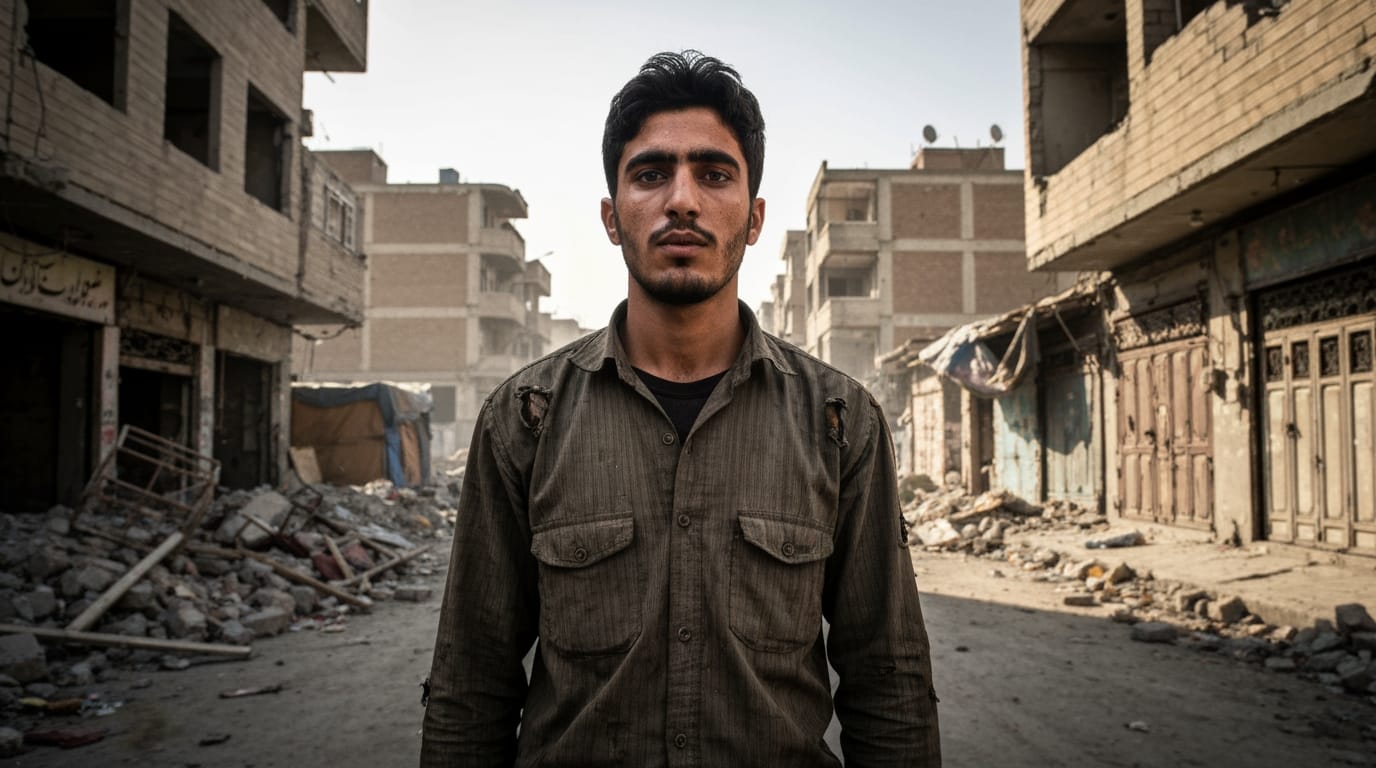
TEHRAN – Following a tumultuous six-week conflict, Iranian officials have declared a resounding victory after a ceasefire with the United States and Israel took effect on April 8, 2026. While the government in Tehran touts the outcome as a testament to national resilience and sacrifice, a palpable sense of apprehension grips many citizens, who fear the "victory" may usher in an era of heightened domestic repression and continued instability. The recent hostilities, which erupted on February 28, 2026, marked a significant escalation in regional tensions, drawing in global powers and reshaping geopolitical dynamics.
The conflict began with coordinated U.S.-Israeli strikes, dubbed "Operation Epic Fury" by the United States and "Roaring Lion" by Israel, targeting Iranian leadership, military installations, and nuclear facilities. Among the casualties was Supreme Leader Ayatollah Ali Khamenei, whose death was reported on the first day of the war, leading to his succession by his son, Mojtaba Khamenei. Iran responded with a series of missile and drone barrages against Israeli territory, U.S. bases in the region, and allied countries, while also taking measures to disrupt global trade by closing the strategically vital Strait of Hormuz. This intense period of fighting has left a complex legacy, with the Iranian government celebrating its survival against overwhelming military force, yet its people grappling with profound uncertainty about their future.
Tehran's Proclamation of Triumph
From the halls of power in Tehran, the message is unequivocal: Iran has emerged victorious. President Masoud Pezeshkian lauded the ceasefire as a "historic victory born of national sacrifice and resilience," attributing it to the unity of the Iranian people and the enduring legacy of the martyred Supreme Leader. Vice President Mohammad Reza Aref characterized the preceding 40 days as a "defining chapter in modern Iranian history," asserting that the nation had disrupted enemy calculations by demonstrating its steadfastness. Mohsen Rezaei, a member of Iran's Expediency Discernment Council, even suggested that the "bully US President Trump was finally forced to accept Iran's 10-point plan as the basis for negotiations," crediting the resistance of the people and the armed forces.
This narrative of triumph hinges on Iran's ability to withstand sustained attacks from two formidable military powers, maintain its political system, and project its influence regionally. Experts, however, offer a more nuanced perspective. Jonathan Schanzer, Executive Director at the Foundation for Defence of Democracies, observed that Iran's claim of victory primarily stems from its mere survival. Schanzer noted that while the U.S. and Israel had largely dominated the battlefield, degrading Iran's military and nuclear capabilities, Iran successfully achieved strategic objectives like temporarily closing the Strait of Hormuz through asymmetric tactics. This highlights a modern paradox of warfare, where conventional military superiority does not always translate into a clear, decisive victory when faced with adaptable, unconventional responses. Iran's military has further underlined its stance by pledging to fight until "complete victory," dismissing any claims of ongoing peace negotiations that might suggest a different outcome.
The Brutal Six-Week War: A Retrospective
The conflict, which commenced on February 28, 2026, plunged the Middle East into a new era of direct confrontation. The initial U.S.-Israeli offensive targeted crucial components of Iran's military and governmental infrastructure, including leadership figures and sites associated with its nuclear program. Reports indicated significant civilian casualties within Iran due to these strikes. In retaliation, Iran unleashed its own arsenal, launching hundreds of ballistic missiles and drones towards Israel and U.S. military positions across the Gulf states, including Bahrain, Kuwait, Qatar, and the United Arab Emirates. These Iranian counterattacks also caused civilian casualties in Israel, despite a 92 percent interception rate by its multi-layered air defense system.
Beyond direct military exchanges, the war ignited a broader regional conflagration. Iranian-backed proxy groups, such as Hezbollah in Lebanon, intensified their actions against Israel, leading to an escalation of the Israel-Hezbollah conflict and causing widespread destruction and loss of life. The strategic closure of the Strait of Hormuz by Iran sent shockwaves through global energy markets and international trade, demonstrating Tehran's capacity to inflict economic pain beyond its borders. The intense fighting, which spanned over a month, fundamentally reshaped the strategic balance in the region, compelling international calls for a de-escalation that ultimately led to the April 8 ceasefire.
A Nation's Anxieties: Fear of What Comes Next
Despite the government's declarations of victory, a deep vein of fear and uncertainty runs through the Iranian populace. Many citizens express apprehension that the "triumph" will embolden the authorities, leading to a severe crackdown on dissent, increased internet censorship, and a surge in executions, which rights groups suggest were already used as tools of repression during the conflict. A 40-year-old Tehran resident, a broker on the Iranian stock exchange, anonymously voiced concerns that an emboldened Islamic Republic would lead to harsher conditions, including more killings and internet shutdowns. Another resident, a 48-year-old teacher, expressed relief at the ceasefire but equally feared the continuation of the current system, anticipating that the Islamic Republic would make the people "pay for all the losses they sustained during the war."
This anxiety is rooted in a complex public sentiment. While a recent survey indicated that 59 percent of Iranians believe the country is in a stronger position in the Middle East after the conflicts with Israel, 26 percent believe it is weaker. There is also a strong undercurrent of distrust towards external powers. A significant 79 percent of respondents in a survey believed that the U.S. and the "Zionist regime" targeted not just Iran's political system but its people. Furthermore, 64 percent felt that U.S. negotiations with Iran prior to the war were merely a deception to pave the way for an attack. This pervasive skepticism towards foreign intentions coexists with a reported desire among a majority of Iranians for normalized diplomatic relations with the U.S. (67 percent) and a nuclear agreement with Western powers (61 percent), highlighting a complex internal dynamic distinct from the official hardline stance. The killing of Supreme Leader Ali Khamenei and his replacement by his son, while maintaining the regime's continuity, has not fully allayed fears about the future direction of the country.
Regional Fallout and Global Repercussions
The recent conflict has far-reaching implications, extending beyond Iran's borders and influencing regional and global stability. The ceasefire, rather than signaling a definitive end, appears to be a precarious pause. Concerns persist regarding potential future Israeli attacks on Lebanon, which Iranian officials have warned would be considered an assault on Iran itself, threatening to unravel the fragile truce. The escalation of proxy conflicts, particularly involving Hezbollah, remains a critical flashpoint that could reignite broader hostilities.
Internationally, the "six-week war" has prompted a reassessment of U.S. and Israeli strategic objectives and global power dynamics. Some international observers interpret the outcome as a "blow to American credibility" and a "staggering humiliation" for the Trump administration, especially if negotiations are perceived as yielding to Iranian demands. The core issues that fueled the conflict, particularly Iran's nuclear program and its ballistic missile capabilities, remain unresolved. There are insistent calls from various quarters for the complete and permanent dismantlement of Iran's nuclear program, including the surrender of enriched uranium and full cooperation with international atomic energy watchdogs. Moreover, the conflict underscored Iran's evolving strategy of employing asymmetric warfare and sophisticated influence operations to shape public opinion and achieve strategic objectives in the face of conventional military disadvantages. The long-term economic repercussions of the Strait of Hormuz closure and the potential for new migration pressures in neighboring states like Turkey and Iraq also loom large, pointing to the multifaceted and enduring challenges stemming from this intense period of conflict.
A Precarious Peace
The ceasefire between Iran, the United States, and Israel, while bringing a temporary halt to the fighting, has not resolved the deep-seated grievances and strategic rivalries that ignited the conflict. Tehran's declaration of victory, rooted in its survival and sustained influence, contrasts sharply with the anxieties of many Iranians who foresee a bleaker domestic future. The path ahead for Iran is fraught with challenges, including internal dissent, economic strain, and ongoing regional tensions with implications for global stability and energy security. The "victory" celebrated by the state remains a complex and contested narrative, with the ultimate consequences of this six-week war yet to fully unfold for the Iranian people and the broader international community.


