Ghanaian Nationals Depart South Africa Amid Escalating Xenophobia
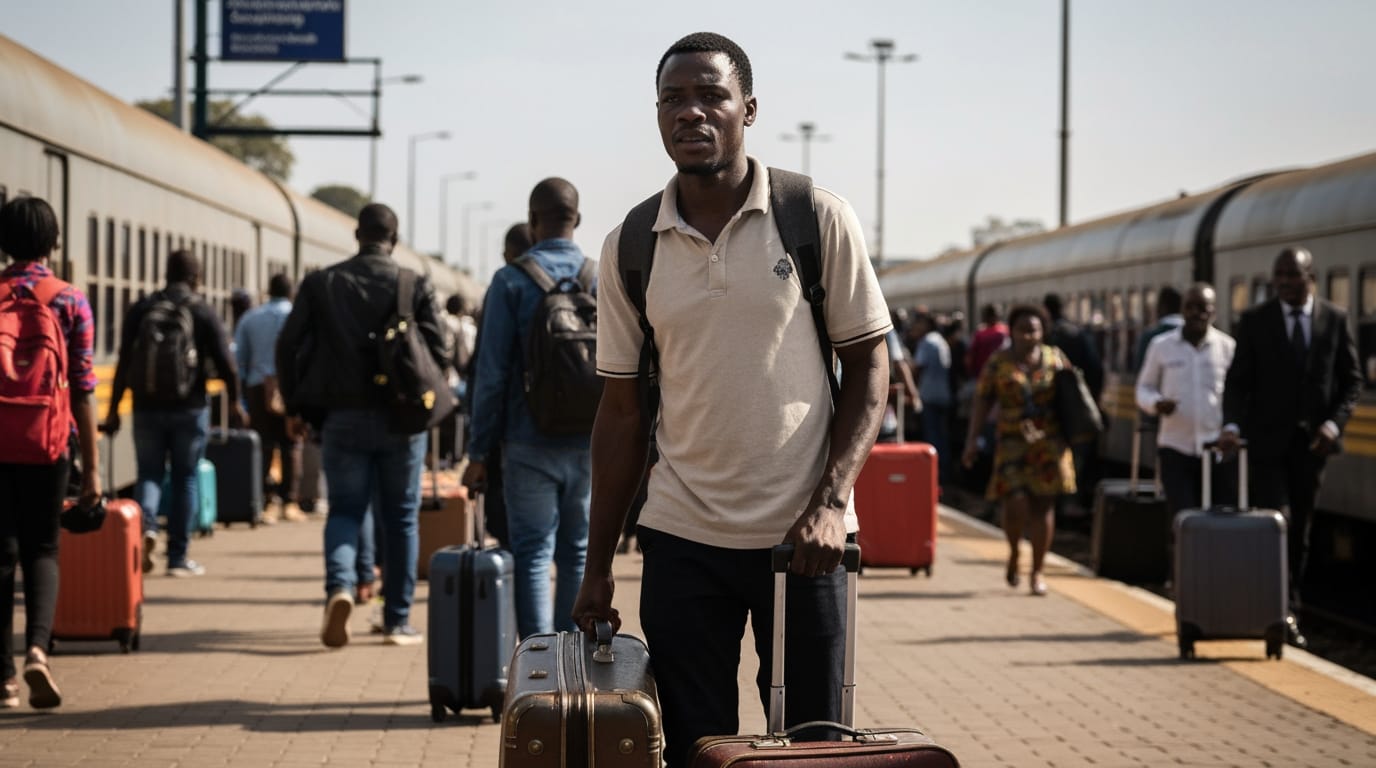
Johannesburg, South Africa — A group of approximately 300 Ghanaian citizens departed from South Africa today, marking the first wave of a planned evacuation in response to escalating xenophobic tensions and anti-immigrant protests that have recently gripped parts of the nation. This significant exodus underscores the growing fears among foreign nationals residing in South Africa, as local frustrations over economic conditions continue to manifest in hostility towards migrants from other African countries.
The urgent repatriation effort, spearheaded by the Ghanaian government, follows a period of heightened intimidation and sporadic violence targeting non-South Africans. While South African authorities have condemned the violence and vowed to crack down on xenophobic acts, the persistent unrest has compelled hundreds of Ghanaians, and citizens of other African nations, to seek refuge back in their home countries.
An Urgent Exodus Initiates
The initial contingent of around 300 Ghanaian nationals left Johannesburg's OR Tambo International Airport early on Wednesday, May 27, 2026, marking a tangible response to their expressed fears. This group represents the first phase of a larger evacuation effort, with Ghana's High Commissioner to South Africa, Benjamin Quashie, indicating that a total of 826 Ghanaians had registered for repatriation. The screening and verification process for these volunteers commenced earlier this week at the Ghanaian embassy in Pretoria.
The decision to evacuate was precipitated by a series of anti-migration protests that have spread across provinces including Gauteng, KwaZulu-Natal, and the Eastern Cape. These demonstrations, often led by interest groups such as "March and March," have issued demands for non-South Africans to leave the country by the end of June, creating a climate of unease and direct threats for migrant communities. Many Ghanaians reported feeling that their lives were in danger and that their ability to sustain economic activities had been severely hampered by the intimidation.
The Deep Roots of Xenophobia
The current wave of anti-immigrant sentiment is not an isolated incident but rather a re-emergence of a long-standing and complex issue within South Africa. The nation has a history of xenophobic violence, with significant outbreaks recorded in 2008, which left dozens dead and displaced thousands, and again in 2019, claiming at least 12 lives. These historical patterns highlight a recurring challenge in post-apartheid South Africa, where economic disparities, high unemployment rates, and perceptions of foreign nationals taking jobs or burdening public services often fuel resentment among some local communities.
Ghanaian High Commissioner Benjamin Quashie openly characterized the situation as xenophobic attacks, stressing the severity of the threat. The targeting of migrants from other sub-Saharan African countries has drawn widespread condemnation but continues to pose a significant threat to regional stability and social cohesion.
Diplomatic Responses and Contested Narratives
The Ghanaian government's swift action follows an advisory from its foreign ministry in response to the "latest wave of xenophobic attacks," with Foreign Minister Samuel Okudzeto Ablakwa confirming that President Akufo-Addo authorized the immediate evacuation. Ghana has also protested over disturbing videos of violent incidents circulating on social media, reaffirming its commitment to the safety of its citizens both at home and abroad.
Other African nations have similarly reacted to the volatile environment. Nigeria, for example, has reported that at least 130 of its citizens have requested to be flown home, while Kenya, Malawi, Lesotho, and Zimbabwe have issued warnings to their nationals in South Africa, advising caution and urging them to stay indoors.
Conversely, South African authorities have presented a nuanced, and at times, conflicting narrative. While President Cyril Ramaphosa has condemned the violence as criminal acts and vowed to address it, some officials have also dismissed viral videos depicting violence as "fake" or part of a misinformation campaign. South African Minister in the Presidency, Khumbudzo Ntshavheni, claimed the country integrates refugees into society, allowing them to own businesses and contribute to the economy. Adding another layer of complexity, South African immigration officials have claimed that a significant number of the evacuees were not legally resident in the country. An immigration official stated that only 10 out of the first 300 Ghanaians being repatriated were found to be legal residents, indicating that many were in "non-compliance" with South African immigration laws. This assertion suggests potential enforcement measures against those found to have breached regulations.
The Human Toll and Future Implications
For the returning Ghanaians, the journey home represents a mix of relief and uncertainty. Many will face the challenge of reintegrating into Ghanaian society and rebuilding lives and livelihoods that were disrupted or abandoned in South Africa. The Ghanaian government has expressed its intent to assist in this reintegration process. The reports of Ghanaians feeling unsafe and struggling economically highlight the significant personal cost of the xenophobic climate.
This ongoing crisis places strain on diplomatic relations within the African continent and challenges South Africa's image as a welcoming nation. It underscores the broader tensions over migration, job competition, and social services that many developing nations grapple with. While the South African government has acknowledged the challenge of managing irregular migration in a strained economic environment, the persistent outbreaks of violence against foreign nationals require comprehensive and sustainable solutions that address both legitimate immigration concerns and the scourge of xenophobia.
The evacuation of Ghanaian nationals serves as a stark reminder of the fragile social fabric in certain parts of South Africa. As efforts continue to repatriate those who feel unsafe, the underlying issues of economic inequality, social integration, and the respect for human dignity remain critical challenges that require urgent and collective attention from both South African authorities and regional partners. The path forward demands not only the condemnation of violence but also proactive measures to foster inclusivity and address the root causes of anti-immigrant sentiment.


