Global Air Pollution Crisis: Majority of World Breathes Unsafe Air, Report Finds
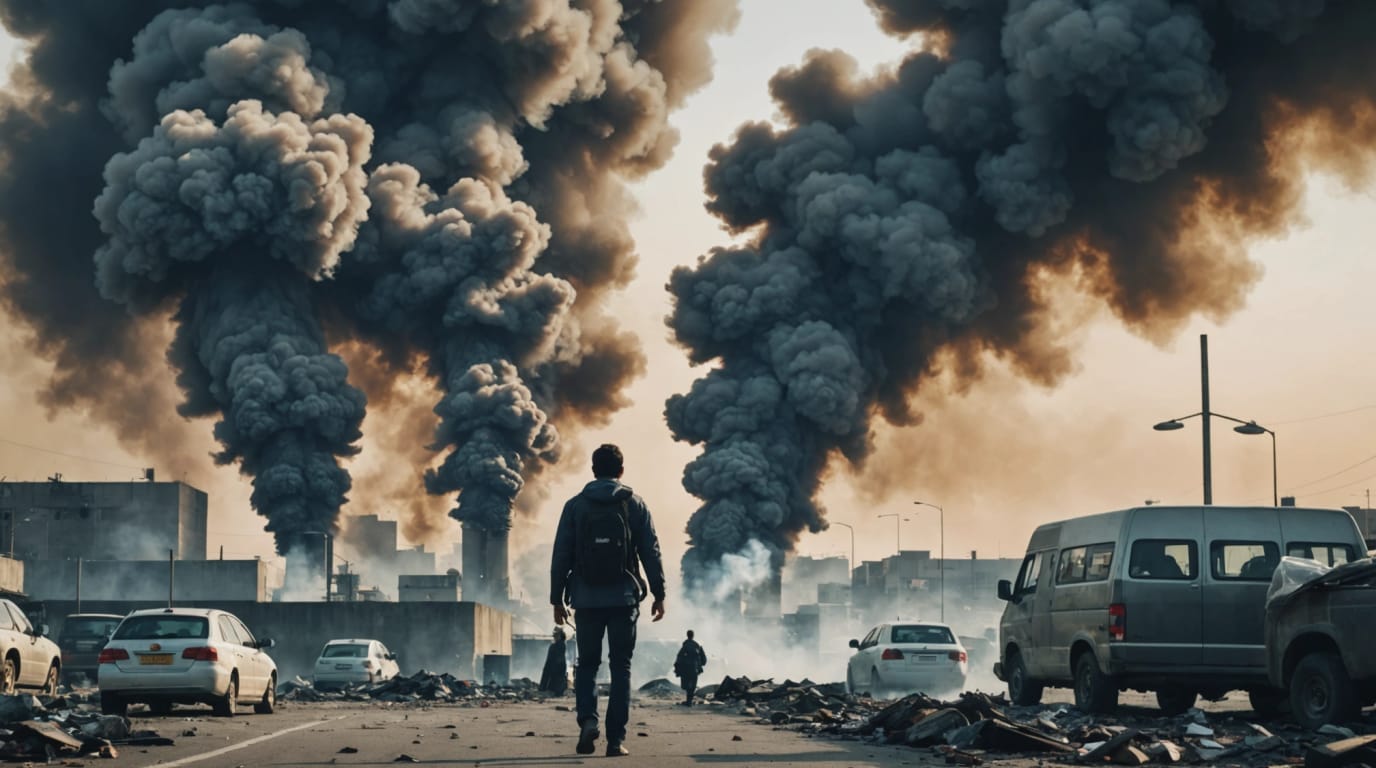
A staggering majority of the world's population is exposed to unhealthy levels of air pollution, according to recent reports, posing a grave threat to public health and the global economy. The pervasive nature of this environmental crisis demands urgent and concerted action from local, national, and international bodies to mitigate emissions and safeguard the well-being of current and future generations.
The Scope of the Problem
The latest data paints a grim picture of global air quality. A recent study analyzing air quality in over 8,954 locations across 138 countries revealed that only 17% of cities worldwide met the World Health Organization's (WHO) annual PM2.5 guideline of 5 micrograms per cubic meter (µg/m³) in 2024. This means that the vast majority of people are breathing air that exceeds safe limits, with many areas recording pollution levels far exceeding recommended thresholds. In fact, 91.3% of the analyzed countries exceeded the WHO guideline.
The most polluted country identified in the study was Chad, with an annual PM2.5 concentration of 91.8 µg/m³, a staggering 18 times higher than the WHO threshold. Other countries with alarmingly high pollution levels include Bangladesh, Pakistan, the Democratic Republic of the Congo, and India.
Health Impacts: A Looming Crisis
The consequences of prolonged exposure to air pollution are dire, contributing to a wide range of health problems and premature deaths. Air pollution is now the second leading risk factor for death globally, accounting for an estimated 8.1 million deaths in 2021. This number surpasses the death toll from tobacco use, highlighting the severity of the crisis.
The impact is particularly devastating for vulnerable populations, including children, the elderly, and those with pre-existing health conditions. In 2021, air pollution was linked to over 700,000 deaths in children under five years old, with a significant portion of these deaths occurring in South Asia and Africa due to household air pollution from burning solid fuels for cooking and heating. Exposure to air pollution can lead to premature birth, low birth weight, delayed brain development, heart disease, asthma, lung diseases, and childhood cancers.
Moreover, air pollution is a major risk factor for noncommunicable diseases (NCDs), such as heart disease, stroke, diabetes, lung cancer, and chronic obstructive pulmonary disease (COPD). These diseases account for up to 90% of the disease burden from air pollution. Studies have also linked air pollution to type 2 diabetes, obesity, systemic inflammation, Alzheimer's disease, and dementia.
Economic Costs: A Staggering Burden
Beyond the devastating health consequences, air pollution also inflicts a heavy toll on the global economy. The World Bank estimates that the health damage caused by air pollution costs $8.1 trillion a year, equivalent to 6.1% of global GDP. This includes direct costs, such as healthcare expenses, and indirect costs, such as lost productivity due to illness and premature death.
Air pollution can affect businesses through reduced workforce productivity, staff absences, premature deaths, and lower crop yields. For example, in India, the economic cost of air pollution in 2019 was estimated at $95 billion, or 3% of the country's GDP. In the United States, every $1 spent on air pollution control yields an estimated $30 in economic benefits.
Sources and Solutions: A Multifaceted Approach
The sources of air pollution are diverse and vary depending on the region. Major contributors include:
- Fossil fuel combustion: Burning coal, oil, and gas for energy production, transportation, and industrial processes is a primary source of air pollutants, including particulate matter, sulfur dioxide, and nitrogen oxides.
- Household air pollution: Burning solid fuels, such as wood, charcoal, and kerosene, for cooking and heating in homes is a significant source of indoor and outdoor air pollution, particularly in low- and middle-income countries.
- Agriculture: Agricultural activities, such as livestock farming and fertilizer use, release ammonia and other pollutants that contribute to the formation of particulate matter.
- Industrial emissions: Industrial facilities release a variety of air pollutants, including heavy metals, volatile organic compounds, and particulate matter.
- Transportation: Vehicles emit pollutants such as nitrogen oxides, particulate matter, and carbon monoxide.
Addressing this complex problem requires a multifaceted approach involving policy changes, technological advancements, and individual actions. Some key strategies include:
- Transitioning to clean energy sources: Phasing out fossil fuels and investing in renewable energy sources, such as solar, wind, and hydropower, is crucial for reducing air pollution.
- Improving energy efficiency: Implementing energy-efficient technologies and practices in buildings, transportation, and industry can significantly reduce emissions.
- Promoting sustainable transportation: Encouraging the use of public transportation, cycling, and walking, as well as transitioning to electric vehicles, can reduce vehicle emissions.
- Adopting cleaner cooking and heating solutions: Providing access to clean and affordable household energy solutions, such as biogas, solar cookers, and electric stoves, can reduce household air pollution.
- Implementing stricter air quality regulations: Governments can set and enforce stricter air quality standards for industries, vehicles, and other sources of pollution.
- Promoting sustainable agriculture: Adopting sustainable agricultural practices, such as reducing fertilizer use and improving livestock management, can minimize emissions from the agricultural sector.
The Path Forward: A Call to Action
The global air pollution crisis demands immediate and sustained action. Governments, businesses, and individuals must work together to implement effective strategies to reduce emissions, protect public health, and create a cleaner, more sustainable future.
The World Health Organization (WHO) plays a critical role in this effort by providing evidence-based guidelines and technical support to countries. The WHO also maintains a global database of air quality standards to empower stakeholders with the information necessary to monitor progress and drive policy changes.
The European Union has taken a leading role in addressing air pollution by adopting ambitious air quality standards and regulations. The revised Ambient Air Quality Directive (AAQD) sets binding targets for member states to achieve by 2030, with the goal of aligning with WHO air quality guidelines.
Ultimately, addressing the air pollution crisis requires a fundamental shift in our approach to energy production, transportation, and consumption. By embracing cleaner technologies, adopting sustainable practices, and prioritizing public health, we can create a world where everyone has the right to breathe clean air.


