Global Air Travel in Crisis: Soaring Jet Fuel Costs and Supply Disruptions Threaten Summer Plans
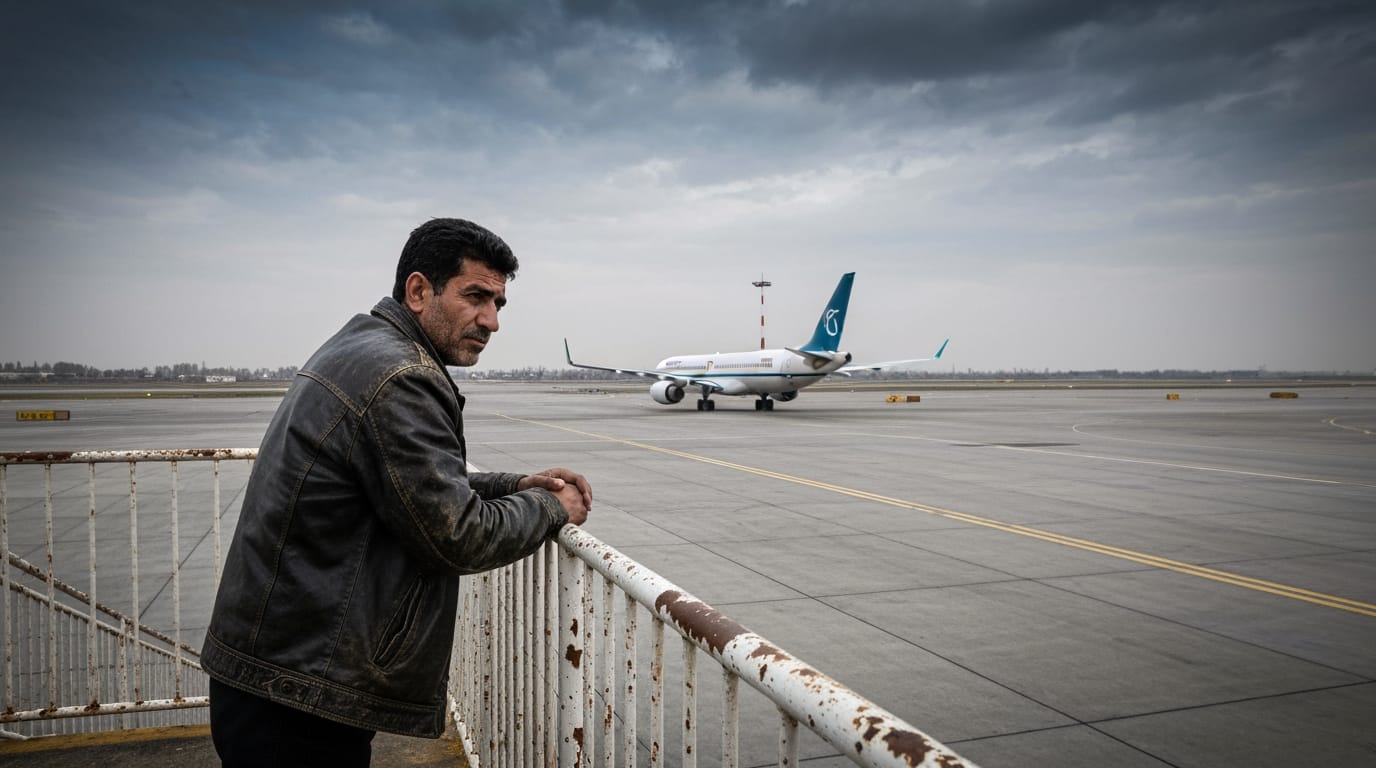
The global aviation industry is grappling with an unprecedented crisis, as a sharp surge in jet fuel prices and looming supply shortages, triggered by the ongoing conflict involving Iran, fundamentally reshapes air travel. Since hostilities erupted around February 28, 2026, the closure of the vital Strait of Hormuz has sent shockwaves through energy markets, leading to what the International Energy Agency (IEA) has termed the "largest supply disruption in the history of the global oil market." Airlines worldwide are now contending with dramatically increased operational costs, widespread flight cancellations, and a volatile future that threatens to make air travel significantly more expensive and less accessible for millions.
Geopolitical Unrest Ignites Energy Market Turmoil
The conflict involving Iran and the US-Israel coalition, which commenced in late February 2026, immediately destabilized global energy flows. A central point of impact has been the Strait of Hormuz, a critical chokepoint through which approximately 20% of the world's oil supplies and substantial volumes of liquefied natural gas (LNG) normally transit. Its effective closure has severely restricted oil exports, pushing Brent crude prices to an initial 10-13% surge to $80-82 per barrel by March 2, before climbing past $100 per barrel and even exceeding $150 in some severe escalation scenarios. This geopolitical fallout has instilled a structural repricing of risk in energy markets, signaling persistent tightness in supply over the medium term. The IEA's executive director has starkly characterized the situation as the "greatest global energy security challenge in history."
Jet Fuel Prices Soar, Supply Lines Strain
The ripple effect on jet fuel has been particularly acute, with prices soaring far beyond the volatility seen in crude oil. From baseline levels of $85-90 per barrel before the conflict, jet fuel surged to $150-200 per barrel by March 2026, representing increases of 76-135%. Some reports indicate a doubling of jet fuel prices since the war began. This dramatic spike is compounded by concerns over physical shortages, especially in regions heavily reliant on Persian Gulf supply, such as Europe, which imports 25-30% of its jet fuel from the region, and parts of Southeast Asia. The sudden withdrawal of shipping capacity, coupled with a sharp rise in war-risk insurance premiums (surging 50-500%), has tightened availability and driven up costs across the supply chain. The IEA has warned that continued disruptions could soon lead to flight cancellations due to a lack of available jet fuel.
Airlines Face Unprecedented Financial Headwinds
For airlines, jet fuel typically represents the second-largest operational expense after labor, making the current price surge an existential threat. Carriers are facing hundreds of millions, and in some cases, billions of dollars in additional costs. American Airlines, for instance, anticipates a $4 billion jump in fuel spending this year, while Delta Air Lines projected an additional $2 billion in the current quarter alone. This immense financial pressure has forced airlines to implement drastic measures. Many have raised fares by 30-50% in numerous markets, introduced new fuel surcharges, and increased baggage fees in an attempt to offset spiraling costs. United Airlines has reported fare increases of up to 20% for the busy travel season.
Beyond financial adjustments, the operational landscape of air travel is undergoing a significant transformation. Thousands of flights have been canceled or impacted since the conflict began, with over 46,000 reported disruptions in early tallies. Lufthansa, for example, cut 20,000 short-haul flights, and approximately two million airline seats were removed from May schedules globally. Airlines are abandoning less profitable routes and in some cases, grounding less fuel-efficient aircraft to conserve resources. The closure of critical Gulf airspace has also necessitated lengthy rerouting for many flights, adding hours to journey times and further increasing fuel consumption and costs.
Impact on Travelers and the Broader Economy
The consequences for air travelers are tangible and far-reaching. Higher ticket prices and increased ancillary fees are becoming the new normal. For consumers, the choice to fly now comes with a significantly steeper cost. The uncertainty surrounding future fuel prices also complicates booking decisions, as airlines adjust schedules and routes with little advance notice. The severity of the crisis has already claimed its first major airline casualty, with Spirit Airlines ceasing operations due to insurmountable rising fuel costs. Smaller carriers globally are under immense pressure, with some warning they may halt operations entirely.
Economically, the crisis echoes the energy shocks of the 1970s, contributing to rising inflation and heightened risks of stagflation and recession worldwide. Analysts anticipate structural changes in the aviation sector to persist for at least 2-3 years, with ticket prices likely remaining 15-25% higher than pre-conflict levels. This sustained elevated cost of air travel could have broader implications for global tourism, trade, and economic interconnectedness.
Navigating an Uncertain Horizon
The current aviation crisis underscores the deep vulnerabilities of global energy supply chains to geopolitical instability. While some airlines, particularly in Europe and Asia, have utilized fuel hedging strategies to mitigate immediate impacts, most U.S. carriers had previously abandoned such programs, leaving them more exposed to the volatile spot market.
Looking ahead, the industry faces critical challenges to enhance resilience. Experts emphasize the urgent need for strategic fuel reserves, diversified energy sourcing, and accelerated investment in Sustainable Aviation Fuel (SAF) development to reduce reliance on fossil fuels and mitigate future shocks. The summer travel season will serve as a critical test, with consumers, airlines, and governments all navigating a new and more expensive reality for global air mobility.