Global Climate Progress Threatened by Lagging Major Emitters, Urgent Action Demanded
GENEVA, SWITZERLAND – Despite undeniable strides in renewable energy deployment, the global community remains critically off-track in its fight against climate change, primarily due to the insufficient efforts of major emitting nations, according to recent comprehensive reports. The United Nations Environment Programme's (UNEP) Emissions Gap Report 2024 and the International Energy Agency's (IEA) World Energy Outlook 2024 paint a stark picture: while a path to limiting global warming to 1.5 degrees Celsius (°C) above pre-industrial levels is still technically feasible, it demands "unprecedented cuts" in emissions and a massive, coordinated global mobilization that is currently lacking.
The latest findings underscore a paradox of visible progress alongside a persistent, dangerous gap between ambition and reality. Global greenhouse gas (GHG) emissions reached a new record high of 57.1 gigatonnes of carbon dioxide equivalent (GtCO2e) in 2023, marking a 1.3% increase from the previous year. This upward trend places the world on a trajectory for catastrophic temperature rises, far exceeding the targets set by the Paris Agreement.
The Widening Emissions Gap: A Call for Drastic Reduction
The chasm between current climate action and the goals of the Paris Agreement is expanding, necessitating far more aggressive emission reductions than presently committed. Projections indicate that existing policies would lead to an estimated global temperature increase of 3.1°C by 2100. Even with the full implementation of all Nationally Determined Contributions (NDCs) – countries' self-defined climate pledges – the world is still headed for a warming of 2.6°C, considerably above the 1.5°C limit aimed at avoiding the most severe impacts of climate change.
To stand any chance of limiting global warming to 1.5°C, global emissions must plummet by a staggering 42% by 2030 compared to 2019 levels. This necessitates an average annual reduction of 7.5% until 2035. For the less ambitious, yet still challenging, 2°C target, a 28% reduction by 2030 is required. Experts warn that delaying these critical reductions will only amplify the scale of future cuts needed, making the task even more daunting and potentially unattainable. The continued increase in global emissions in 2023, following a brief reduction during the COVID-19 pandemic, has further reduced the remaining carbon budget, emphasizing the urgency of immediate and substantial action.
Renewable Energy Surge Offers a Glimmer of Hope
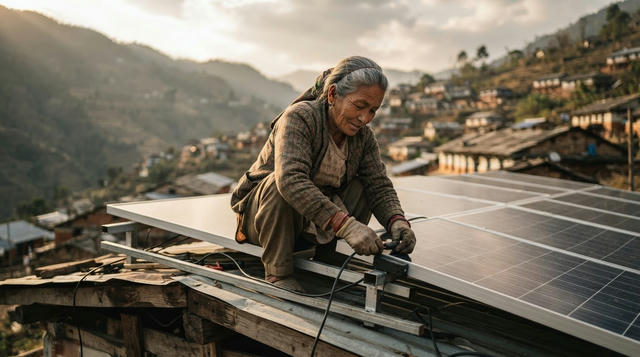
Amidst the sobering statistics, the reports highlight significant and accelerating momentum in the global decarbonization effort, primarily driven by a record-breaking surge in renewable energy deployment. The year 2023 saw the addition of over 560 gigawatts (GW) of new renewable capacity worldwide, demonstrating an unprecedented rate of clean energy integration into the global energy system.
Investment in clean energy projects has also reached historic levels, nearing $2 trillion annually, which is almost double the combined amount spent on new oil, gas, and coal supply. This financial shift underscores a growing recognition of the economic and environmental benefits of transitioning away from fossil fuels. Notably, China emerged as a leader in this expansion, contributing 60% of new global renewable capacity. Its solar photovoltaic (PV) generation alone is projected to surpass the current total electricity demand of the United States by the early 2030s. The IEA's analysis indicates that solar and wind energy technologies possess the potential to deliver 27% of the total emission reduction needed by 2030 and an even more substantial 38% by 2035. Furthermore, projections suggest that global demand for coal will begin to decline around 2025, with oil and gas demand peaking by the end of the current decade, signaling a potential turning point in the global energy landscape.
Major Emitters: The Bottleneck in Climate Action
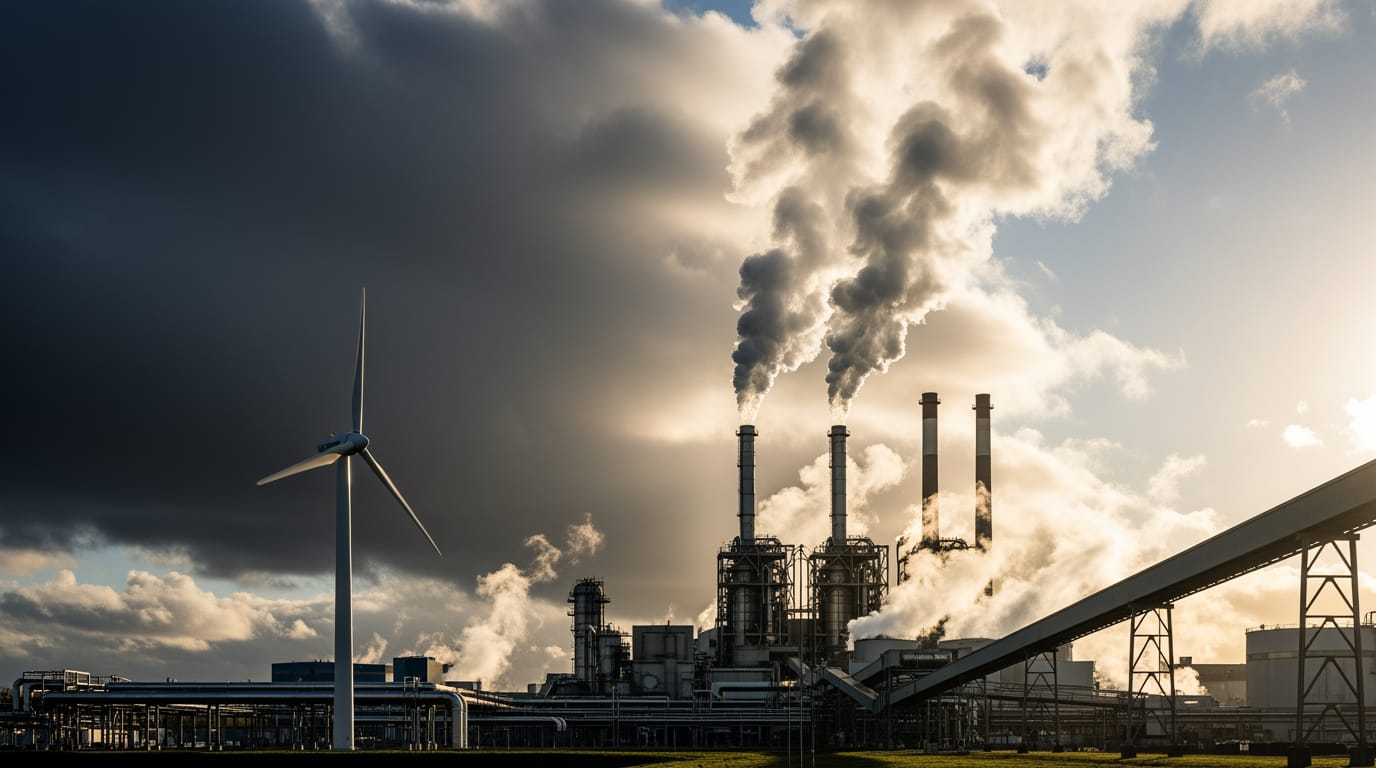
Despite the positive trends in renewable energy, the overarching progress is severely hampered by the insufficient commitments and actions of the world's largest emitters. The G20 countries, excluding the African Union, were responsible for a staggering 77% of global emissions in 2023, with just six of the largest emitters accounting for 63% of the total global GHG output. The top three GHG emitters—China, the United States, and India—collectively contribute 42.6% of total emissions, underscoring their pivotal role in climate mitigation.
A critical issue identified is that many of these major emitters are not on track to meet their own climate targets outlined in their NDCs. While some countries like China and India are experiencing a rise in renewable energy adoption that is helping to curb projected emissions, other significant players, such as the United States, have seen higher emissions projections due to policy rollbacks. Per capita emissions in developed countries remain approximately three times the global average, highlighting disparities in responsibility. The Dispatch reports that China, the world's largest greenhouse gas emitter, significantly increased its carbon footprint, with its emissions rising by 3.74 metric tons for every metric ton of decline in the United States between 2005 and 2019. This indicates that while some nations demonstrate progress, the overall global effort is being undermined by a lack of commensurate action from those with the greatest historical and current responsibility.
Charting a Course for a Sustainable Future: The Path Ahead
Achieving the 1.5°C target is not just a scientific imperative but also an economic and social one. The reports emphasize that reaching net-zero emissions by 2050 will necessitate an annual investment of USD 900 billion to USD 2.1 trillion, equivalent to approximately 1% of global GDP. Current climate finance for mitigation, however, needs to increase threefold to sixfold by 2030 to meet these demands.
A multi-faceted approach is deemed essential for bridging the emissions gap. This includes a "whole-of-government approach," fostering enhanced international collaboration, reforming the global financial architecture to prioritize climate action, and securing robust private sector engagement. Specific actionable strategies involve doubling the global rate of energy efficiency improvements and significantly increasing investment in renewable power, grid infrastructure, and battery storage technologies. Furthermore, a rapid and equitable phase-out of fossil fuels is crucial, complemented by efforts in sustainable land use, as action on forests alone could contribute approximately 20% of the emission reduction potential.
The path to a climate-stable future remains narrow but accessible. The latest assessments serve as a critical alarm, urging political leaders, industries, and civil society to accelerate their efforts. The progress observed in renewable energy offers a blueprint for what is possible, but without ambitious, coordinated, and immediate action from major emitters, the world risks irreversible environmental and societal consequences. The time for rhetoric has passed; decisive implementation of transformative policies is now the only way to safeguard the planet for future generations.