Global Conflicts Reach Unprecedented Heights in 2025, Reports Indicate
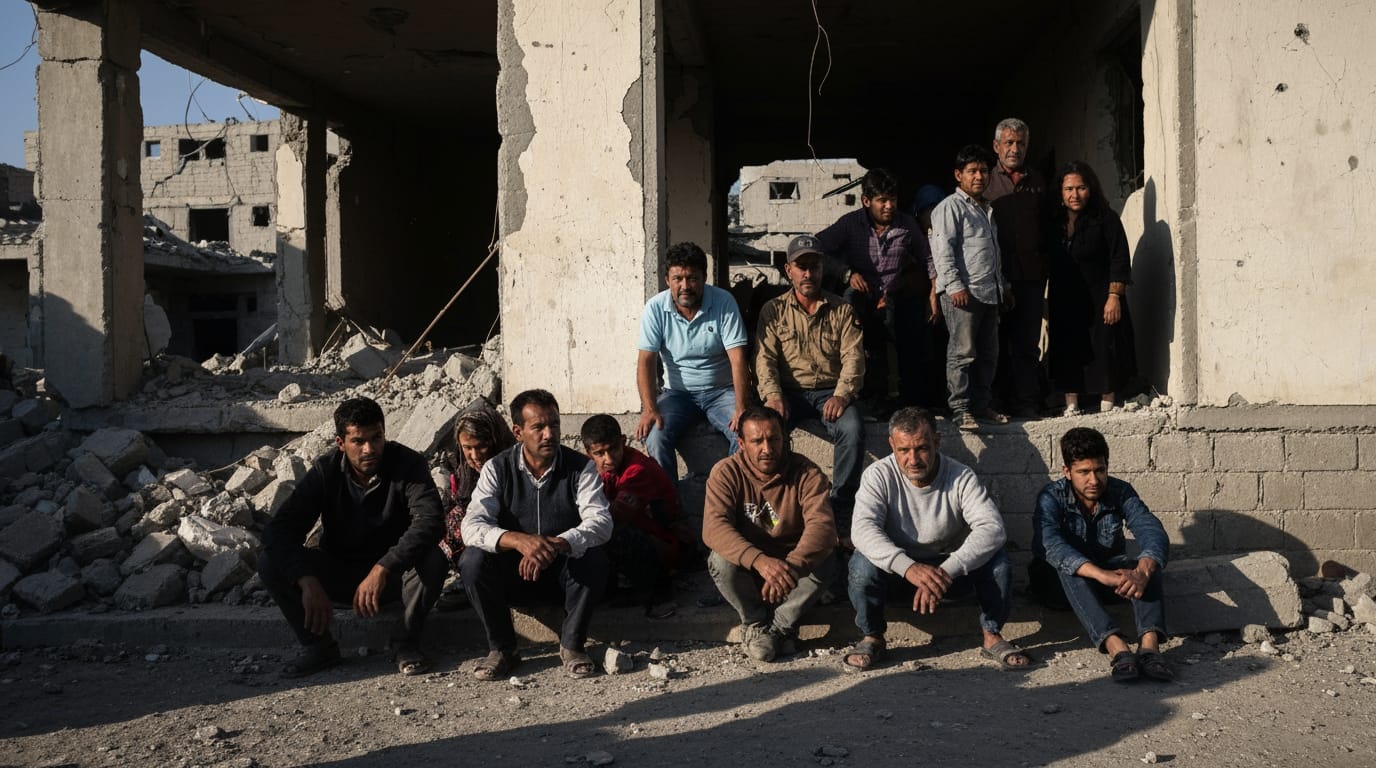
The year 2025 marked a grim milestone in global security, witnessing the highest number of state-based armed conflicts since the end of World War II, according to new analyses from leading peace research institutions. A confluence of escalating geopolitical tensions, protracted crises, and a surge in interstate confrontations propelled the world into an era of unprecedented violence, resulting in hundreds of thousands of deaths and record levels of civilian displacement. The concerning data underscores a fundamental shift in the global security landscape, challenging established frameworks for peace and stability.
Alarming Statistics Paint a Dire Picture
Comprehensive reports from organizations such as the Peace Research Institute Oslo (PRIO), the International Institute for Strategic Studies (IISS), and the Global Peace Index (GPI) reveal a significant escalation in organized violence throughout 2025. PRIO's "Conflict Trends" report documented 65 conflicts involving at least one state, the highest figure recorded since 1946. This alarming statistic was compounded by a dramatic increase in conflicts directly between states, which reached an 80-year peak, doubling from the previous year. Siri Aas Rustad, Research Director at PRIO and lead author of the report, described the situation as "extremely disappointing," noting the unusual absence of positive trends typically observed in such analyses.
The human cost of this escalating violence was catastrophic. Approximately 245,000 to 255,000 people died in 2025 due to fighting or political violence, making it one of the deadliest years since the Cold War. The IISS "Armed Conflict Survey 2025" similarly reported nearly 240,000 fatalities, a 23% increase year-on-year. Civilian populations bore a disproportionate burden, with incidents targeting non-combatants dramatically increasing. An estimated 76,500 incidents of one-sided violence against civilians were registered in 2025, a stark rise from 14,200 in 2024. This surge pushed the number of actors employing one-sided violence to a record high. The global displacement crisis also worsened, with forced displacement reaching a historic 122 million people by April 2025, including 73.5 million internally displaced persons.
Hotbeds of Crisis and Resurgent Interstate Tensions
The surge in global conflicts in 2025 was driven by several major, persistent, and intensifying crises across multiple regions. Three conflicts, in particular, accounted for a significant portion of the battle-related deaths: the ongoing Russian invasion of Ukraine, the bombardments in Gaza, and the brutal conflict in Sudan.
In Ukraine, Russia continued to gain territory, expanding its occupation to roughly 20 percent of the country, while bombardments of Ukrainian cities persisted. The conflict remained highly deadly, with Ukraine and Palestine noted by the IISS as the most violent conflict theaters, experiencing 82,298 and 20,990 fatalities respectively. Meanwhile, the conflict in Gaza continued to escalate, contributing significantly to the overall death toll and humanitarian crisis.
Africa emerged as the continent most affected by state-related conflicts, accounting for 29 major conflicts. The civil conflict in Sudan, especially, exacted a severe toll on civilians. The siege and massacres carried out in El-Fasher city in the Darfur region alone were estimated to have caused some 60,000 deaths, making it one of the most serious civilian casualty events in recent decades. The scale of bloodshed in Sudan was compared to the Rwandan genocide in 1994 and the Tigray War in Ethiopia in 2021, marking a major phase of extreme violence since the Cold War.
Beyond these protracted conflicts, 2025 saw a worrying resurgence of direct confrontations between states. Border tensions flared between India and Pakistan, Afghanistan and Pakistan, and Cambodia and Thailand. The Middle East remained a volatile region, with Israeli military operations in Syria and increasing tensions between Israel and Iran contributing to a landscape of heightened state-to-state hostility. Latin America also experienced a sharp increase in violence, particularly due to gang activities in countries like Mexico, Haiti, and Colombia, which ranked among the highest for severe violence globally.
Evolving Dynamics of Modern Warfare
The nature of armed conflict in 2025 reflected a complex and fragmented global order. Analysts highlighted a dangerous resurgence of direct confrontations between states, a departure from previous decades dominated primarily by civil wars. This shift is attributed to geopolitical rivalries, unresolved border disputes, and regional escalations. Non-state armed groups continued to grow in prominence, acting as quasi-state and geopolitical actors, exercising control and governance over territories.
Technological advancements further reshaped the battlefield, with drone attacks becoming a defining feature of modern warfare. The use of drones surged by over 11,500% between 2018 and 2025, and artificial intelligence compressed targeting times from days to mere seconds. This proliferation of advanced weaponry extended beyond state actors, with 565 different armed groups, including criminal cartels, reportedly conducting drone attacks during this period. These technological shifts, combined with weakening multilateral institutions and a decline in global consensus, contributed to a "Great Fragmentation" of the international system, making conflict resolution more challenging. The share of conflicts ending in a peace agreement plummeted to just 4% in the last decade, a sharp drop from 23% in the 1970s.
Devastating Humanitarian and Economic Repercussions
The continuous high-intensity level of global conflict in 2025 generated immense humanitarian and economic repercussions. The United Nations Office for the Coordination of Humanitarian Affairs (OCHA) projected that 305 million people would require humanitarian assistance in 2025, driven by conflict and violence. Despite these escalating needs, humanitarian appeals remained severely underfunded, exacerbating the suffering of vulnerable populations. The year 2024, a precursor to 2025's trends, was already the deadliest on record for aid workers, with 281 killed as of November.
The economic impact of violence also reached unprecedented levels, increasing by 3.2% to an estimated $21.81 trillion in 2025, equivalent to 10.5% of global GDP. This financial burden was paralleled by record global military expenditure, reaching $2.9 trillion in 2025, with Europe's average military burden more than doubling since 2016. Such figures highlight the immense resources diverted to conflict, at the expense of development and peacebuilding efforts.
A Bleak Outlook Demands Renewed Focus
The data from 2025 underscores a deeply troubling trajectory for global peace and security. The sustained and intensifying level of armed conflict, characterized by a return to interstate clashes and devastating impacts on civilians, represents a stark departure from the post-Cold War era. As the world navigates this complex and volatile landscape, the continuous high-intensity level of conflict globally demands a fundamental re-evaluation of international diplomatic and security strategies. The trends observed in 2025 signal an urgent need for concerted global efforts to address the root causes of conflict, protect civilian lives, and bolster effective mechanisms for peace.


