Global Development Aid Plunges Amidst Unprecedented U.S. Cuts
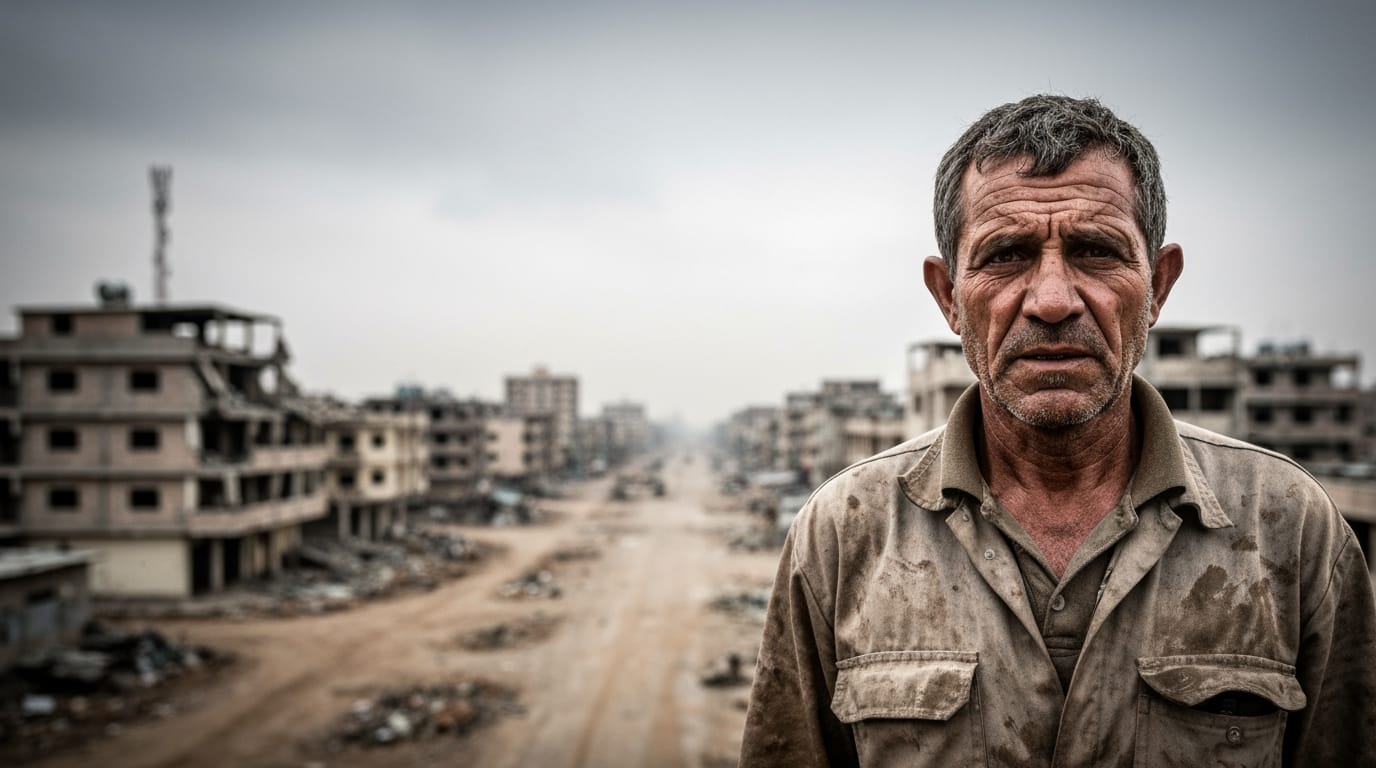
Washington D.C., April 9, 2026 – International development aid experienced an unprecedented and catastrophic decline in 2025, largely driven by the Trump administration's dismantling of the United States Agency for International Development (USAID) and a drastic reduction in overall U.S. foreign assistance. This monumental shift, enacted swiftly in the early months of the new administration, has sent shockwaves across the globe, imperiling millions of lives, destabilizing critical humanitarian programs, and fundamentally reshaping the landscape of global development.
The dramatic pivot in U.S. foreign policy began almost immediately following President Donald Trump’s inauguration in January 2025. An executive order issued on January 20, his first day in office, initiated a pause on "foreign development assistance" to allow for a comprehensive review of all aid programs. This was quickly followed by a stop-work directive from Secretary of State Marco Rubio on January 24, halting foreign assistance across all U.S. government departments and agencies for an initial 85-day review period. The culmination of this rapid assessment came on February 26, 2025, when the State Department announced the finalization of its review, resulting in the termination of an overwhelming majority of USAID's programming and thousands of State Department grants.
The scale of these cuts was staggering. The administration terminated approximately 5,800 USAID contract awards and 4,100 State Department grants, effectively gutting over 90 percent of USAID's existing programs. Overall, the cuts translated to a nearly US$60 billion reduction in U.S. foreign assistance, with US$54 billion coming directly from USAID and US$5.4 billion from State Department grants. Subsequent figures indicated a reduction of up to US$78 billion, leaving a mere US$8.3 billion for future use, a drastic decrease from the previous annual expenditure of US$40 billion. This unprecedented contraction in U.S. aid alone was equivalent to more than a quarter of all Official Development Assistance (ODA) provided by OECD DAC donors in 2023. By July 1, 2025, USAID, an agency with a 63-year history of global engagement, was formally dissolved, with any remaining initiatives absorbed into the State Department.
A Global Humanitarian Crisis Unfolds
The immediate and profound consequences of these deep cuts manifested as a rapidly escalating humanitarian crisis across multiple continents. Humanitarian organizations and international bodies swiftly voiced alarm as essential services crumbled. Human Rights Watch characterized the administration's actions as "reckless, cruel, and [causing] havoc on efforts to promote democracy and rule of law around the world".
In critical health sectors, the impact was devastating. Hundreds of thousands of newborns were put at risk as the provision of medicines to prevent mother-to-child HIV transmission ceased. Patients with HIV in Uganda and Tanzania were reportedly denied their medications. In Ethiopia, funding for 5,000 workers dedicated to stopping the spread of HIV and malaria vanished. The cessation of these vital programs directly imperiled the health and lives of countless vulnerable individuals, reversing years of progress in global health initiatives.
Food security and disaster relief efforts were equally decimated. In famine-stricken Sudan, already grappling with the world’s largest humanitarian crisis, emergency food kitchens lost their funding, leading to preventable deaths and leaving an estimated 5 million people without access to lifesaving health services. Refugees in the Democratic Republic of Congo faced a dire lack of access to clean water, contributing to a 62 percent increase in cholera cases in 2025.
Education and women's empowerment programs also suffered severe setbacks. Online university classes for Afghan women and girls, a crucial lifeline for education in a restrictive environment, were abruptly terminated. In Nepal, sexual and reproductive healthcare services, particularly in remote regions, experienced severe disruptions following the closure of USAID offices and the suspension of key programs. Hospitals serving 100,000 refugees from Myanmar in Thailand were forced to shut down. Even in Ukraine, where humanitarian programs had assisted 1 million people, vital psychological and social services were defunded. Oxfam estimated that hundreds of thousands of lives had already been lost as a direct result of the cuts, while a modeling study by The Lancet predicted a staggering 14 million preventable deaths by 2030 due to the defunding of USAID programming.
Erosion of Influence and International Backlash
The administration justified these sweeping changes by citing an "America First" foreign policy agenda, arguing that the "foreign aid industry and bureaucracy are not aligned with American interests and in many cases antithetical to American values". Officials maintained that USAID suffered from mismanagement and wasteful spending, and that absorbing remaining initiatives into the State Department would ensure better implementation. However, critics pointed to the rushed nature of the review process, which lacked internal guidance, a clear methodology, public comment, or any meaningful risk mitigation strategies to address the dangerous consequences of such abrupt program cessations.
The drastic reduction in U.S. foreign aid created an immense vacuum in global development efforts and significantly eroded America's soft power and diplomatic influence. Historically, USAID played a critical role in positioning the United States at the forefront of global aid initiatives. Its dismantling signaled a profound shift away from this engagement, causing concern among international partners and allies. Nations like Jordan, heavily reliant on USAID funding and facilities, faced disastrous ramifications across education, public health, water access, poverty, and economic stability, particularly for vulnerable populations. The loss of USAID implementers also complicated access to other global aid programs, including those from the International Monetary Fund (IMF) and the European Union (EU).
The international community struggled to comprehend the speed and severity of the U.S. withdrawal from its long-standing development commitments. While some hoped that other donor nations might step in to fill the financial void, the sheer scale of the U.S. cuts made a full replacement unlikely. Concerns were also raised about the message this sent regarding multilateral cooperation and shared global responsibilities.
The Void: Who Fills the Gap?
In the wake of USAID’s dissolution, non-governmental organizations (NGOs), United Nations agencies, and other multilateral organizations were largely left to compensate for the massive void of support. However, these organizations, many of which had partnered with and received funding from USAID, also suffered significant resource losses, further hampering their ability to scale up operations. The lack of a robust State Department infrastructure to manage the remaining initiatives further compounded the challenges, leading to significant concerns about the long-term viability of crucial programs.
Congressional resistance, which had previously emerged during earlier attempts to cut foreign aid, did not materialize in 2025, allowing the administration's policy to proceed largely unchecked. This lack of domestic opposition underscored a changing political climate regarding the value and purpose of U.S. international assistance.
The abrupt and comprehensive dismantling of USAID in 2025, spearheaded by the Trump administration, marks a watershed moment in global development and U.S. foreign policy. The unprecedented dip in aid has plunged millions into deeper poverty, exacerbated health crises, and undermined progress in numerous developing nations. As the world grapples with the fallout, the long-term implications for global stability, humanitarian well-being, and America's role on the international stage remain a profound and unsettling challenge. The immediate crisis demands urgent attention, while the strategic void created by the U.S. retreat from development leadership will undoubtedly reshape international relations for years to come.