Global Energy Security Under Threat as Iran Conflict Escalates, IEA Warns of "Largest Crisis in History"
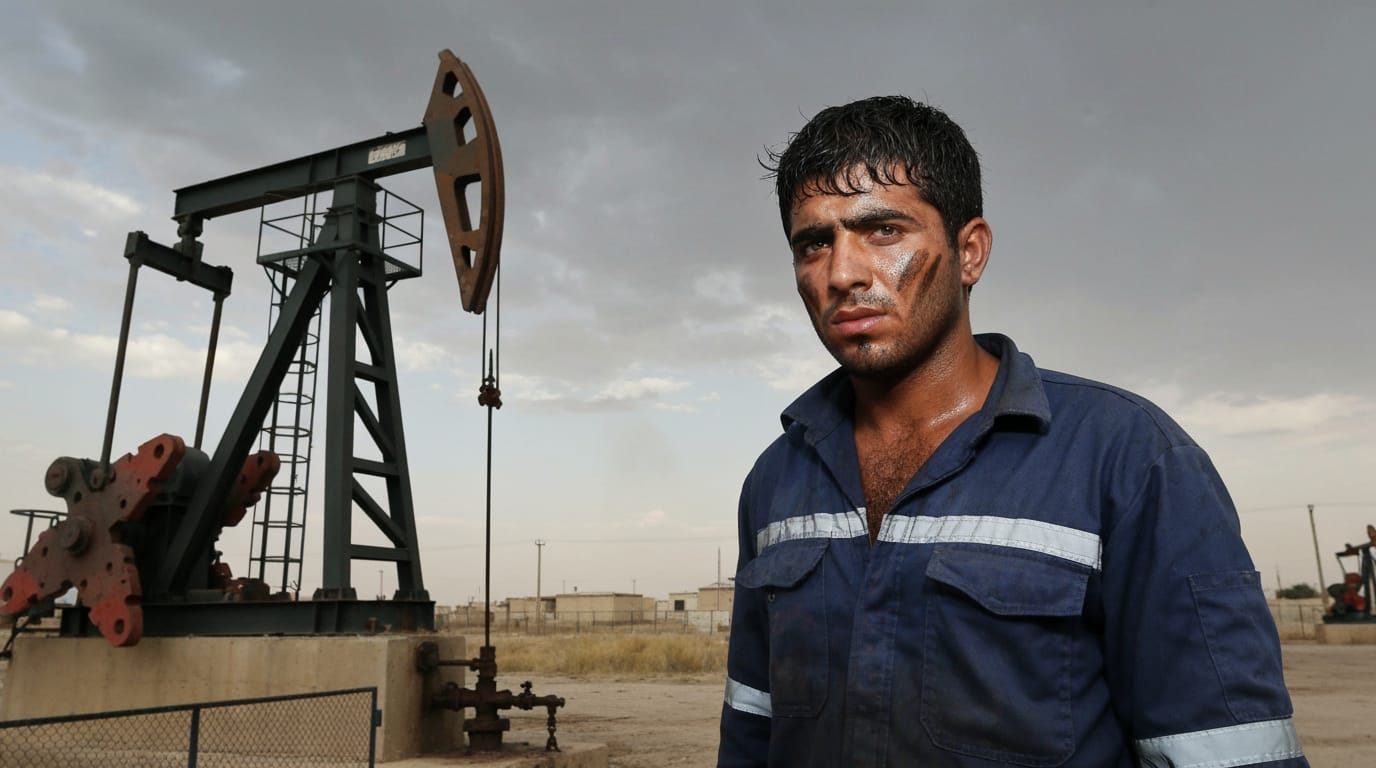
Geneva, Switzerland – The ongoing conflict involving Iran has plunged global energy markets into an unprecedented state of uncertainty, leading to severe oil shortages and prompting warnings from the International Energy Agency (IEA) that the world faces its "largest energy security crisis" in history. The closure of the Strait of Hormuz, a critical maritime chokepoint, has triggered widespread fuel crises, economic instability, and a dramatic re-evaluation of energy policies across the globe, with immediate and long-term implications for nations heavily reliant on Middle Eastern oil.
The repercussions of the conflict, which began in late February 2026, have been swift and severe, mirroring and in many ways surpassing the transformative oil shocks of the 1970s. As maritime traffic through the Strait of Hormuz remains restricted, major disruptions to global oil and liquefied natural gas (LNG) supplies have sent prices soaring and exposed the inherent fragility of an interconnected global energy system. This escalating crisis is forcing countries to scramble for alternative supply routes, boost domestic production, and fundamentally rethink their long-term investment strategies in energy.
The Strait of Hormuz: A Global Chokepoint Under Pressure
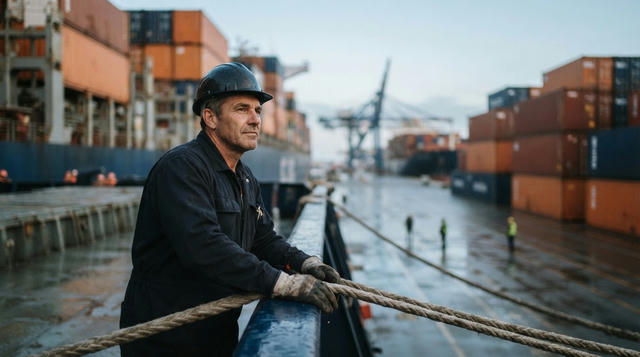
At the heart of the current energy crisis lies the Strait of Hormuz, a narrow waterway that serves as the world's most vital oil transit chokepoint. Approximately 20% of the world's total oil trade, alongside a substantial share of global LNG exports, transits through this strait daily. Iran's strategic geographic position along this passage has long endowed it with significant leverage over global energy flows. The effective closure of the Strait of Hormuz due to the ongoing conflict has thus had an immediate and catastrophic impact, disrupting an estimated 20% of the world's oil supply.
This disruption is not merely a regional issue but a global systemic risk. The absence of viable alternative infrastructure capable of absorbing such a massive volume of energy traffic underscores the strait's irreplaceable role. Attacks on energy infrastructure in Iran and several Gulf Cooperation Council countries have further exacerbated the supply crunch, contributing to a large disruption in global oil supplies. International Energy Agency Executive Director Fatih Birol characterized this situation as the "greatest global energy security challenge in history," emphasizing that "the fragility of a deeply interconnected global energy system when its most critical physical chokepoints come under sustained pressure" has been fully stress-tested in practice.
Immediate Economic Fallout and Global Ripple Effects
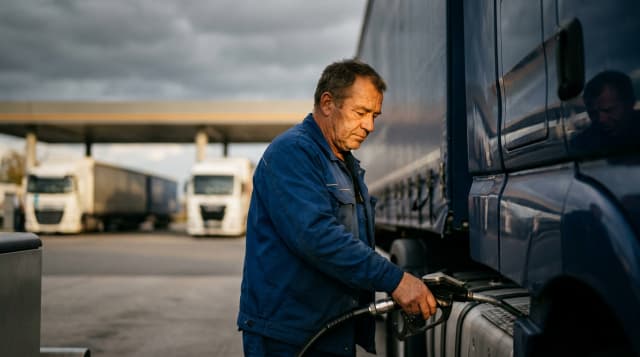
The impact on global energy markets has been instantaneous and dramatic. Brent crude oil prices surged by 10-13% to approximately $80-$82 per barrel by early March 2026, and have continued to experience volatility. The International Energy Agency has described the resulting supply disruption as the "largest supply disruption in the history of the global oil market." This sudden shock to supply has triggered widespread fuel shortages in countries heavily dependent on Persian Gulf imports, leading to panic buying and severe disruptions in the distribution of petroleum products.
Economies worldwide are grappling with the consequences. The crisis is expected to adversely affect most countries, leading to inflation, heightened risks of stagflation, and a looming threat of recession. Southeast Asia, particularly vulnerable due to its high reliance on Middle Eastern oil, faces acute fuel shortages and rationing that threaten industrial activity. The Philippines, for instance, which imports 98% of its oil from the Middle East, declared a state of national energy emergency in March 2026. Europe is contending with soaring energy costs, straining households and industries, while African nations face higher fuel and fertilizer prices, exacerbating food insecurity. Beyond petroleum, global natural gas supply has been severely undercut, with Qatari liquefied natural gas (LNG) offline and LNG prices swelling significantly in Asia. The IEA warns that the modern crisis is structurally more complex and interconnected than previous energy shocks, with broader consequences.
Rethinking Energy Policies and Long-Term Vulnerabilities
The ongoing crisis is not merely a short-term market fluctuation; it is fundamentally reshaping global energy policies and investment strategies. Governments and energy companies are now urgently seeking to diversify trade routes, build alternative supply infrastructure, and reduce their dependence on imported fuels. The IEA notes a resurgence in natural gas and even coal, alongside continued growth in renewables and nuclear power, as nations prioritize energy security amidst the instability.
Despite these efforts, the structural vulnerabilities remain profound. Global crude oil supply shortfalls are estimated at around 12 million barrels per day with the Strait of Hormuz largely inaccessible, leading to a near 400-million-barrel global supply shortage. While some countries, like Australia and India, possess more sufficient reserves, they still face challenges such as panic buying. The crisis has highlighted that domestically controlled energy infrastructure, whether renewable generation, nuclear baseload, or grid storage, offers a critical advantage by reducing geopolitical exposure in ways that imported fossil fuels fundamentally cannot. This strategic reframing of clean energy from a climate obligation to an energy security asset may prove to be one of the most significant long-term legacies of the 2026 Iran conflict.
Conclusion: A Transformed Energy Landscape
The "Iran war" and its associated disruptions have irrevocably altered the global energy landscape, exposing critical weaknesses in the world's reliance on a single, geopolitically volatile region for a significant portion of its energy supply. The warnings from the International Energy Agency underscore the severity of the situation, characterizing it as an unprecedented challenge that will leave "major scars on the global energy system." The immediate consequences of fuel shortages, escalating prices, and the looming threat of recession are forcing a rapid re-evaluation of energy strategies, accelerating a shift towards diversification and greater self-sufficiency. While the full structural changes may not be apparent for several years, the current crisis serves as a stark reminder of the intrinsic link between geopolitical stability and global energy security, fundamentally transforming how nations perceive and pursue their energy futures.