Germany Accelerates Heat Pump Adoption Amid Geopolitical Shocks to Energy Markets
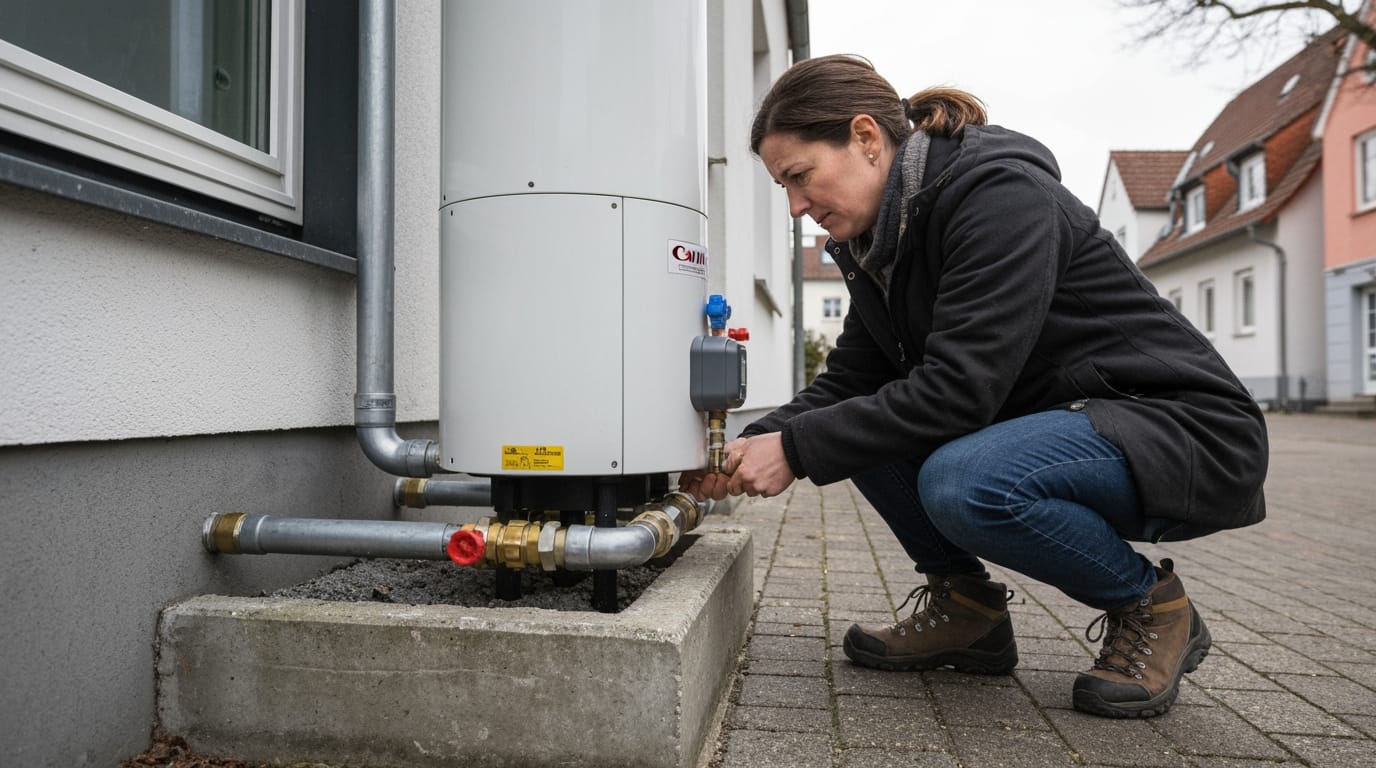
Germany is witnessing a significant surge in heat pump installations, driven by a confluence of ambitious climate targets and urgent energy security concerns exacerbated by recent geopolitical tensions. The European Heat Pump Association (EHPA) reported a 17% increase in heat pump sales across Europe in the first quarter of 2026, with Germany, France, and Poland experiencing an even more pronounced average growth of 25%. This accelerated shift towards electric heating solutions underscores a broader European imperative to reduce reliance on fossil fuels, a drive intensified by the closure of the Strait of Hormuz by Iran in early March 2026, which sent gas and oil prices spiraling upwards across the continent.
The strategic importance of this energy transition has been underscored by market disruptions, leading to a palpable push for greater energy independence. The German government and its citizens are increasingly viewing renewable energy technologies, particularly heat pumps, as critical safeguards against volatile global energy markets.
Geopolitical Tensions Fuel Energy Transition
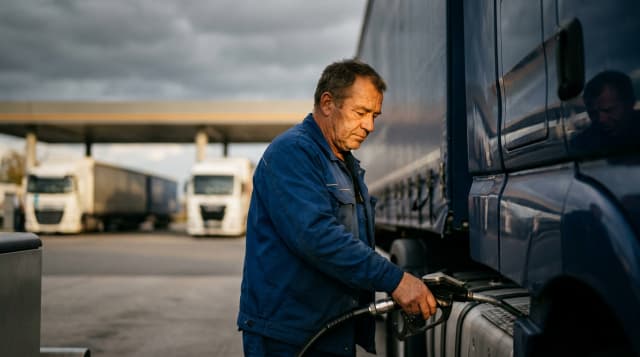
The recent closure of the Strait of Hormuz on March 2, 2026, by Iran served as a stark reminder of the fragility of global energy supply chains and the profound impact geopolitical events can have on European economies. This action immediately triggered an abrupt rise in gas and oil prices, compelling European nations to redouble their efforts in seeking alternative energy sources and enhancing energy self-sufficiency. For Germany, a nation historically dependent on imported fossil fuels, this event dramatically amplified the urgency of its ongoing energy transition.
A recent survey conducted by E.on Energie Deutschland revealed that a substantial 66% of Germans now perceive renewable energy as gaining paramount importance in the context of the current Middle East conflict. While photovoltaics were identified as the most effective means for personal energy independence by 34% of respondents, heat pumps followed closely, chosen by 13% as a key solution. This public sentiment reflects a growing understanding that transitioning away from traditional fossil fuel-based heating systems is not merely an environmental dictate but a strategic imperative for national and household security. The economic ramifications of supply chain vulnerabilities, coupled with the environmental imperative, are now inextricably linked in the public consciousness and governmental policy.
Germany’s Ambitious Decarbonization Drive
Beyond immediate geopolitical responses, Germany's commitment to heat pump technology is deeply rooted in its long-term climate objectives. The building sector, responsible for 21% of the country's emissions, lags behind other sectors in decarbonization efforts, with projections indicating emissions from buildings could exceed net-zero targets by nearly 40% by 2025. Heat pumps are central to addressing this challenge, with expectations that they will meet over 60% of Germany’s residential heating demand by 2045, playing a crucial role in achieving the nation's net-zero ambitions.
The journey towards this goal has not been without its fluctuations. After a significant downturn in 2024, where heat pump sales in Germany nearly halved, the market experienced a robust rebound in 2025. Sales of heating heat pumps surged by 55% in 2025, reaching 299,000 units, marking a milestone where nearly half of all heat generators sold in Germany were heat pumps. This growth occurred alongside a substantial decrease in sales of traditional fossil fuel-based heating systems, with gas-fired systems dropping 41% and oil heating systems falling over 80% in the first half of 2025. Despite this impressive growth, the 2025 sales figures still represented only half of the 500,000 units target previously set by the government for that year. This underscores the scale of the ambition and the persistent gap that needs to be bridged to meet future targets.
Policy Support and Industry Response
The German government has implemented a suite of policies and financial incentives designed to accelerate the adoption of heat pumps. Generous subsidies, covering between 30% and 70% of installation costs, aim to reduce the financial burden on homeowners. These subsidies have been instrumental in driving market growth, with official statistics indicating a 91% increase in funding approvals for heat pumps in 2025. This financial backing has been particularly effective in stimulating demand within existing buildings, which now account for almost 80% of heat pump sales, challenging the perception that the technology is only viable for new constructions.
The German Heat Pump Association (BWP) has credited these subsidies, alongside growing consumer confidence in the technology's performance, for the recent boom. The industry's response to this policy push has been positive, with manufacturers and installers scaling up operations to meet the burgeoning demand. This collaborative effort between government incentives and industry expansion is deemed crucial for the continued trajectory of heat pump integration into the national energy infrastructure. The expectation is that heat pumps will become the economically and politically most reliable option in the long term, further solidifying their market position.
Hurdles on the Path to a Heat Pump Future
Despite the positive momentum, significant challenges persist on Germany's path to a widespread heat pump future. One of the primary obstacles is regulatory uncertainty, particularly concerning the Building Energy Act (GEG), often referred to as the 'heating law'. Political debates and a lack of clarity surrounding future regulations have caused some consumers to hesitate in making substantial investments in new heating systems. Industry groups, such as the BDH (heating industry lobby group), have urgently called for clear and stable political framework conditions and long-term heating subsidies to stabilize the market and encourage consumer confidence.
The high upfront cost of heat pump systems, even with significant subsidies, remains a barrier for many households. While government support can cover a substantial portion of the expense, the remaining out-of-pocket costs, often exceeding €9,000–€12,000, are prohibitive for a considerable segment of the population, especially given that one in three German households has a net wealth below €10,000. Furthermore, current subsidy schemes have been criticized for not being sufficiently targeted, sometimes favoring higher-income households and potentially inflating installation prices. High electricity prices also present a challenge, making the operational costs of electric heat pumps a concern for consumers. Addressing these financial and structural issues, along with tackling potential labor shortages in installation and streamlining regulatory processes, will be critical for sustained adoption and an equitable energy transition.
A Strategic Pivot for German Energy Security
Germany's intensified pursuit of a heat pump boom is a strategic pivot, driven by the dual imperatives of climate action and energy security. The recent geopolitical shocks, particularly the disruption stemming from the Strait of Hormuz closure, have underscored the vulnerability inherent in fossil fuel dependence and galvanized efforts to accelerate the transition to domestic, renewable energy sources. While impressive strides have been made, as evidenced by the significant sales growth in 2025, the nation faces ongoing hurdles related to policy clarity, affordability, and implementation capacity.
The success of this ambitious undertaking will hinge on the government's ability to provide a stable regulatory environment, implement targeted and equitable financial incentives, and ensure the necessary skilled workforce and infrastructure are in place. As Germany navigates this complex energy landscape, the widespread adoption of heat pumps is emerging not just as a climate solution, but as a cornerstone of its long-term energy independence and economic resilience in an increasingly volatile global environment.