Global Health Alarms Sound Again: WHO Declares International Emergency Over Ebola Outbreak
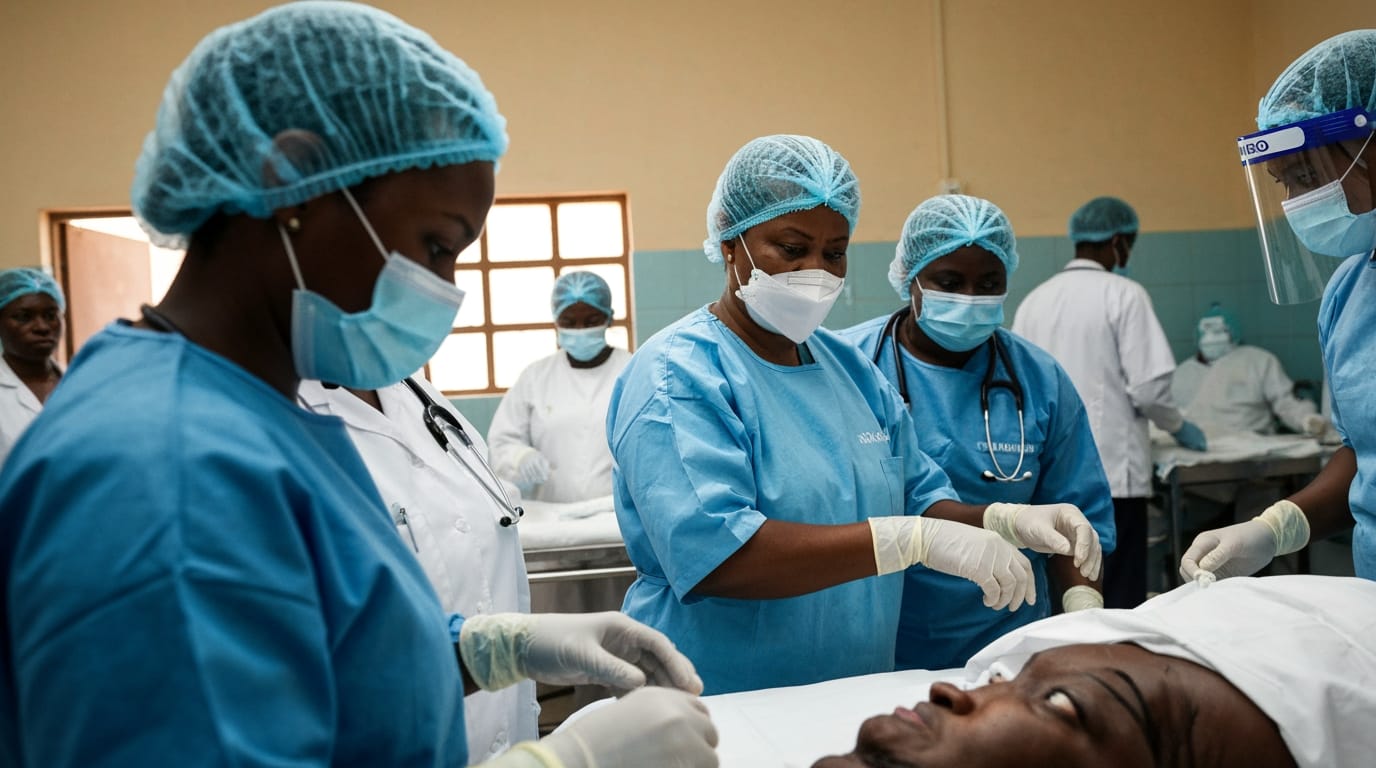
GENEVA – The World Health Organization (WHO) has once again elevated an Ebola outbreak to a Public Health Emergency of International Concern (PHEIC), most recently in May 2026, highlighting the persistent and evolving threat posed by the deadly virus. This latest declaration, concerning an outbreak of the Bundibugyo virus in the Democratic Republic of Congo (DRC) and Uganda, underscores the fragility of global health security and the critical need for rapid, coordinated international responses to contain infectious diseases before they escalate. While recent, this event echoes the profound challenges faced during the 2018-2020 Ebola outbreak in the eastern DRC, an emergency that tested the limits of humanitarian intervention amidst conflict and profound community distrust.
The Weight of a Global Emergency
A Public Health Emergency of International Concern (PHEIC) represents the highest level of alert the WHO can issue under the International Health Regulations (IHR). It signifies an "extraordinary event" that poses a public health risk to other states through the international spread of disease and potentially requires a coordinated international response. The declaration serves as a global call to action, urging nations and international partners to mobilize resources, implement control measures, and prevent wider spread.
The 2018-2020 Ebola outbreak in the Democratic Republic of Congo, which saw its PHEIC declared on July 17, 2019, was the second-largest Ebola epidemic in recorded history, following only the 2013-2016 West African outbreak. This declaration came almost a year after the outbreak was initially reported on August 1, 2018, and was prompted by several critical developments, including the confirmation of a case in Goma, a major city with an international airport and significant cross-border traffic to Rwanda. The delay in declaration for previous outbreaks has drawn criticism, with some experts suggesting it contributed to their unprecedented scale. However, for the 2019 DRC declaration, the WHO emphasized the need for increased funding and international solidarity, while crucially advising against travel or trade restrictions that could harm the affected region.
A Battleground of Disease and Conflict
The 2018-2020 Ebola outbreak in the DRC presented a unique and unprecedented set of challenges, as it unfolded in an active conflict zone in the eastern provinces of North Kivu and Ituri. This region is plagued by the presence of numerous armed groups and protracted military conflict, creating a "perfect storm" for the virus to spread and hindering response efforts. Over the course of the outbreak, 3,470 cases were reported, including 3,317 confirmed and 153 probable, resulting in 2,287 deaths, with a case fatality ratio of 66%. A significant proportion of those affected were women (57%) and children under 18 (29%).
Community distrust and resistance were pervasive, fueled by misinformation, political tensions, and a history of conflict with external forces. Healthcare workers faced immense danger, with reports of over 450 acts of violence or threats against them, leading to injuries and even deaths. These attacks disrupted vaccination campaigns, contact tracing, and safe burial practices, all essential components of Ebola control. Local populations often perceived the heavily biomedical approach as sidelining other urgent concerns like insecurity and endemic diseases. The use of police and armed forces to enforce health measures further alienated communities, proving counterproductive to building trust.
The Mobilized Global Response
Despite the formidable obstacles, the declaration of the PHEIC in 2019 catalyzed a more robust and coordinated international response compared to previous outbreaks. The WHO classified the outbreak as a level 3 emergency, triggering its highest level of mobilization. This led to an influx of funding, resources, and personnel from governments, non-governmental organizations, and UN partner agencies.
A key innovation in this response was the extensive deployment of the experimental rVSV-ZEBOV vaccine. Over 303,000 people were vaccinated using this highly effective intervention, primarily targeting frontline health workers and contacts of confirmed cases in a "ring vaccination" strategy. This proactive vaccination significantly helped contain the spread of the Zaire ebolavirus strain. Furthermore, clinical trials were conducted to evaluate various therapeutic options, including monoclonal antibody treatments, which marked a fundamental shift in how Ebola patients could be treated. Research and development efforts were critical in adapting the response to the difficult context, focusing on building local expertise and infrastructure for clinical trials.
The response also evolved to adopt a more community-centered approach, recognizing that successful containment required deep engagement and understanding of local grievances. Initiatives like cash-for-work programs were introduced to address economic impacts and build trust within affected zones.
Lingering Lessons and Future Preparedness
The 2018-2020 DRC Ebola outbreak, declared over on June 25, 2020, provided invaluable lessons for global health security. It demonstrated that successful outbreak control in complex humanitarian emergencies necessitates not only robust medical interventions but also sophisticated strategies for community engagement, conflict sensitivity, and addressing underlying social and economic determinants of health. The outbreak highlighted the critical importance of timely PHEIC declarations to prompt international action and avoid delays that can exacerbate a crisis.
The very recent declaration in May 2026, concerning an outbreak of the Bundibugyo virus in the DRC and Uganda, serves as a stark reminder that Ebola, in its various forms, remains a persistent public health threat. While this new emergency is caused by a different Ebola species (Bundibugyo virus, for which current Zaire ebolavirus vaccines may not offer protection), the rapid declaration reflects a growing responsiveness from the WHO and international community. It underscores the ongoing need for continuous surveillance, rapid diagnostic capabilities, and adaptable response mechanisms, particularly in regions prone to such outbreaks. Building resilient local health systems and fostering trust with communities are paramount to preventing future outbreaks from spiraling into global crises.
Conclusion
The World Health Organization's declarations of Public Health Emergencies of International Concern over Ebola outbreaks, particularly the complex 2018-2020 event in the Democratic Republic of Congo and the very recent 2026 declaration, symbolize both the enduring threat of the virus and the evolving capacity of the global community to confront it. These emergencies underscore that public health crises are rarely purely medical; they are deeply intertwined with geopolitical instability, socioeconomic factors, and community trust. While each declaration mobilizes critical international attention and resources, the ultimate success of containment hinges on sustained investment in local health infrastructure, innovative research, and culturally sensitive approaches that empower affected communities. The lessons learned from past struggles continue to inform future responses, in an ongoing global effort to prevent, detect, and respond effectively to the world's most dangerous pathogens.


