Global Landmarks Go Dark as Earth Hour Celebrates Two Decades of Environmental Advocacy
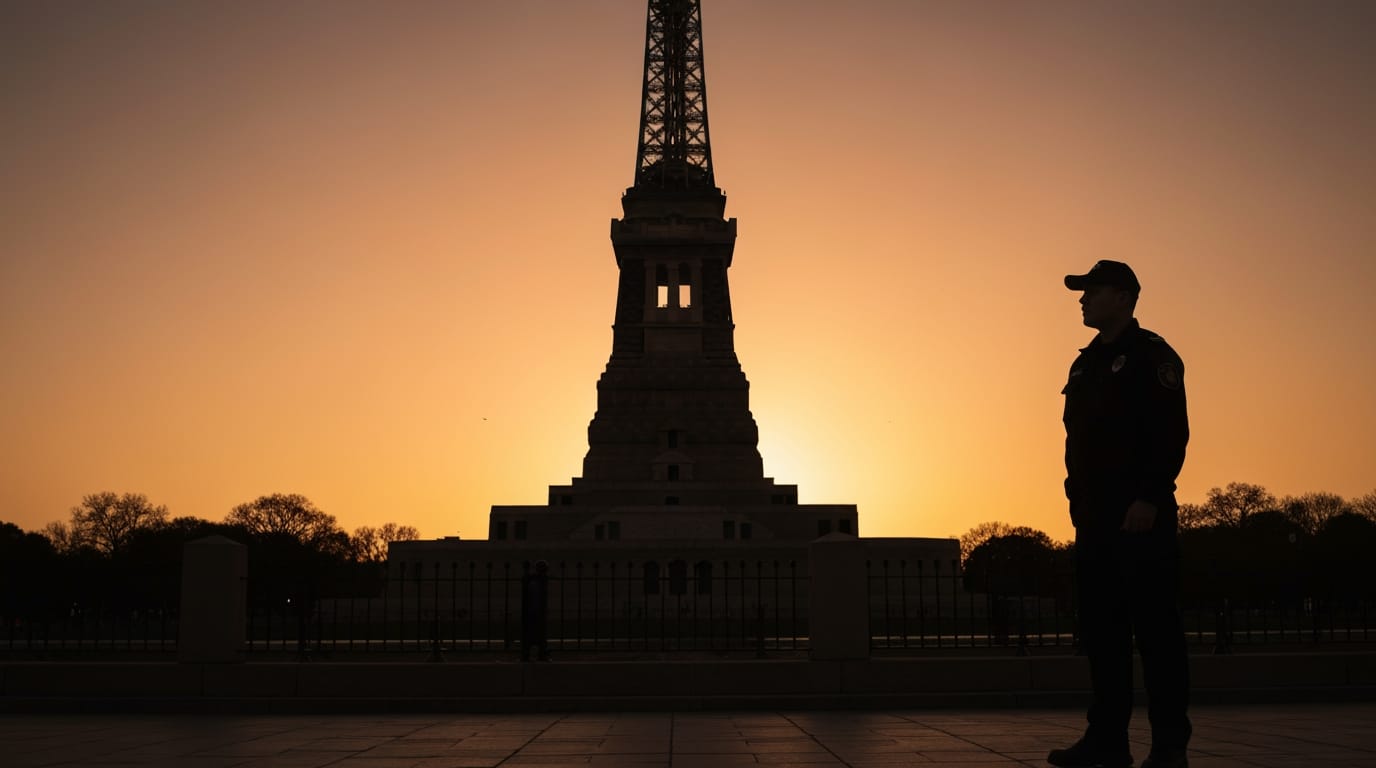
Global landmarks will dim their lights this Saturday, March 28, 2026, marking the 20th anniversary of Earth Hour, a worldwide movement that began as a symbolic lights-off event and has evolved into a powerful catalyst for environmental action and awareness. Millions across more than 190 countries and territories are expected to participate, dedicating an hour to the planet in a collective display of commitment to addressing the twin crises of climate change and nature loss.
Originating in Sydney, Australia, in 2007, Earth Hour was conceived by the World Wildlife Fund (WWF) and advertising agency Leo Burnett Sydney as a simple yet impactful way to engage Australians on the critical issue of climate change. The inaugural event saw 2.2 million individuals and over 2,000 businesses in Sydney turn off their non-essential lights for one hour, making headlines globally. This striking visual statement resonated far beyond Australia's shores, quickly transforming into an annual international phenomenon. Just one year later, in 2008, Earth Hour expanded to 35 countries, with major cities like Bangkok, Chicago, and Copenhagen joining the movement and iconic structures such as the Golden Gate Bridge and the Colosseum participating.
The initial focus of Earth Hour was squarely on climate change, aiming to raise public awareness about energy consumption and its impact on the environment. Over the years, as scientific understanding of ecological challenges deepened, the movement's message broadened to encompass the equally pressing issue of nature loss and biodiversity decline. Since 2023, the campaign has adopted the theme "Give an Hour for Earth," encouraging participants to go beyond merely switching off lights. This contemporary approach invites individuals, communities, and organizations to dedicate 60 minutes to any positive action for the planet, whether it involves reconnecting with nature, engaging in environmental restoration efforts, learning about ecological issues, or inspiring others to care for the Earth. This shift reflects a recognition that effective environmental stewardship requires sustained engagement and diverse forms of action beyond a single symbolic gesture.
One of the most visually compelling aspects of Earth Hour remains the dramatic darkening of global landmarks. From the Arc de Triomphe and the Eiffel Tower in Paris to New Delhi's India Gate, the Pyramids of Giza, the Colosseum in Rome, and the Empire State Building in New York, countless monuments participate annually, plunging into temporary darkness. This collective act creates a powerful visual narrative, reminding millions of the urgent need for environmental protection. In India, for instance, the 20th anniversary will see unprecedented participation, with the Archaeological Survey of India confirming that all ASI-protected monuments across the country will switch off their lights. This includes sites like Mumbai's Gateway of India, Hyderabad's Golconda Fort, and Kolkata's Victoria Memorial, transforming a symbolic act into a truly pan-India movement. Such widespread participation underscores the universal appeal and growing urgency of Earth Hour's message.
Beyond its symbolic power, Earth Hour has also served as a catalyst for tangible environmental change and policy shifts. In 2012, for example, a petition spurred by WWF-Russia, gathering over 122,000 signatures, led to Russia passing a law to better protect its seas from oil pollution. The following year, WWF-Uganda secured 2,700 hectares of land to establish the first-ever Earth Hour forest, an ongoing project aimed at restoring degraded ecosystems. In 2013, Earth Hour support contributed to the creation of Argentina's largest marine protected area, the 3.4 million-hectare Banco Namuncurá (Burdwood Bank), tripling the country's protected marine waters. The campaign also inspired the Galápagos Islands, a UNESCO World Heritage site, to become the first province in Ecuador to ban plastic bags and other disposable packaging in 2014. These examples demonstrate that while the hour of darkness is symbolic, its influence can extend to concrete legislative and conservation outcomes, fostering real-world impact.
As Earth Hour commemorates its 20th anniversary, the significance of its message resonates more profoundly than ever. The latest Living Planet Report from WWF highlights an alarming 73 percent decline in global wildlife populations since 1970, with ecosystems like the Amazon and coral reefs nearing irreversible tipping points. In this critical context, Earth Hour serves as a powerful reminder that collective action is indispensable for building a more resilient future. The movement continues to unite individuals, businesses, and governments worldwide, fostering conversations and inspiring daily habits that contribute to sustainability. By dedicating a single hour, participants not only express their concern but also reinforce the idea that every small action contributes to a larger, necessary shift towards environmental stewardship. The widespread participation in Earth Hour 2026, with monuments going dark and communities engaging in myriad positive actions, reaffirms its enduring role as a beacon of hope and unity in the global fight for a healthier planet.


