Global Landmarks Go Dark for Earth Hour, Sparking Climate Action
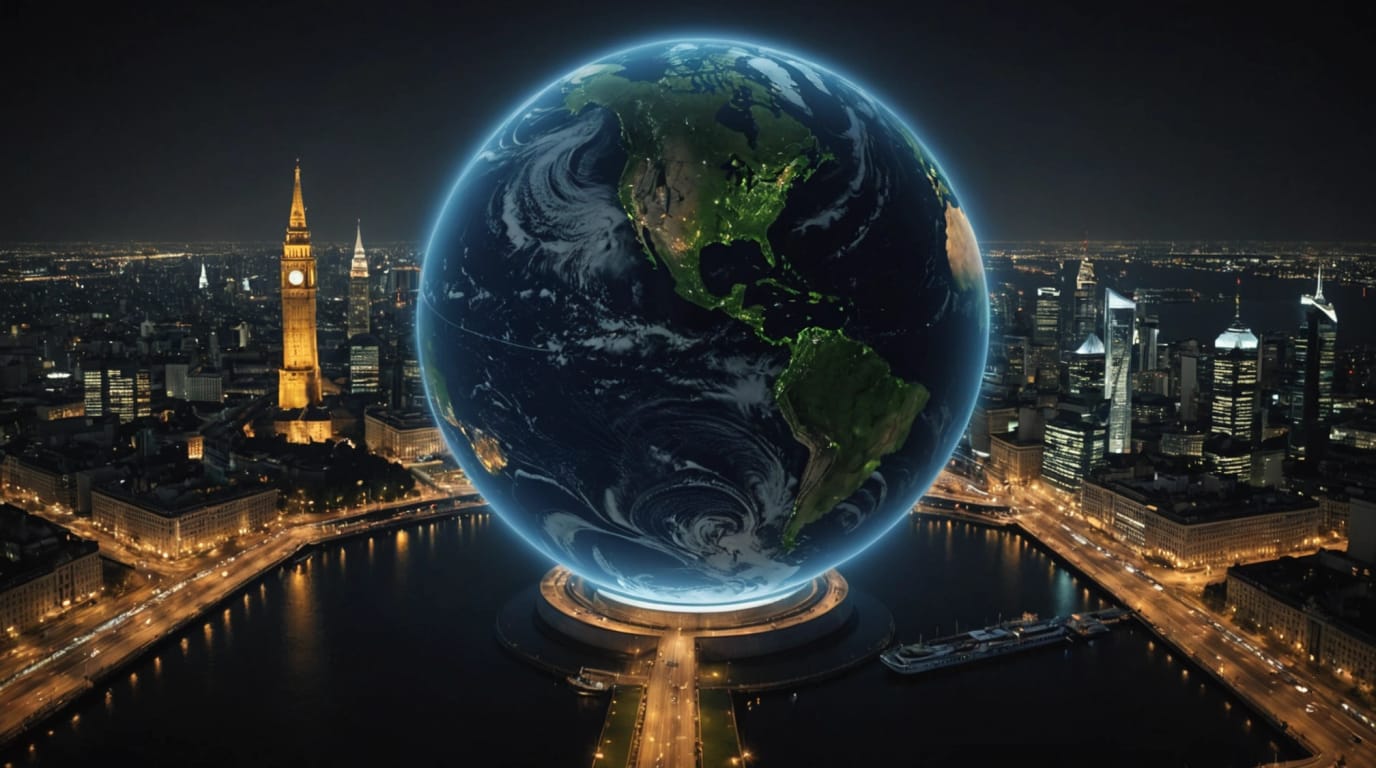
Millions around the globe participated in Earth Hour on Saturday, as iconic landmarks and city skylines switched off their lights in a symbolic display of unity to address climate change and nature loss. Organized by the World Wildlife Fund (WWF), the annual event serves as a call for urgent action and a moment for individuals and communities to reflect on their environmental impact.
A Wave of Darkness Sweeps the Globe
The Earth Hour blackout began in New Zealand, where Auckland's Sky Tower and Harbour Bridge, along with Wellington's parliament buildings, were plunged into darkness at 8:30 p.m. local time. As the Earth rotated, the symbolic gesture spread westward, encompassing landmarks such as the Sydney Opera House, Singapore's Gardens by the Bay, Bangkok's Wat Arun temple, Berlin's Brandenburg Gate, Rome's Colosseum, and the London Eye. In Istanbul, the Sultan Ahmed Mosque (Blue Mosque), Hagia Sophia, and Bosphorus Bridge participated for the first time.
Other notable landmarks joining the cause included the Tokyo Tower, Taipei 101, Petronas Twin Towers in Kuala Lumpur, India Gate, Burj Khalifa in Dubai, Table Mountain in South Africa, St. Peter's Basilica in the Vatican City, the Eiffel Tower in Paris, La Sagrada Familia in Barcelona, Buckingham Palace in London, Edinburgh Castle in Scotland, Christ the Redeemer statue in Rio de Janeiro, the Angel of Independence in Mexico City, the Empire State Building and Times Square in New York City, Niagara Falls, Los Angeles International Airport, and the Las Vegas Strip.
Beyond the Hour: "Give an Hour for Earth"
Earth Hour extends beyond the symbolic act of switching off lights for 60 minutes. The WWF encourages supporters to "give an hour for Earth" by dedicating 60 minutes to activities that benefit the planet. These activities range from planting trees and reducing energy consumption to educating others about environmental issues. In 2024, participants pledged over 1.5 million hours worldwide to eco-positive actions. This year, the WWF is encouraging people to participate in eco-positive activities between now and Earth Day on April 22 and log their contributions in the WWF's Hour Bank.
A History of Raising Awareness
Earth Hour started in Sydney, Australia, in 2007 and has since grown into a global movement. Each year, the WWF urges landmarks and homes worldwide to turn off their lights for an hour to raise awareness of climate change and other environmental issues. The campaign has evolved to encompass broader environmental concerns, including biodiversity loss and sustainable living.
The symbolic event serves as a visual reminder of the collective impact of energy consumption and the potential for change when individuals, communities, and governments unite.
Climate Crisis: A Stark Reminder
The urgency of Earth Hour is underscored by the escalating climate crisis. "The stakes have never been higher," said WWF International Director General Kirsten Schuijt. "The past year was the hottest on record – capping off the hottest decade, with the hottest seas ever recorded. We've witnessed historic wildfires, storms, and droughts as well."
Schuijt emphasized the perilous state of the planet, stating, "Our world is in peril, and we are rapidly approaching dangerous climate tipping points beyond which key ecosystems may never recover."
The Earth Hour campaign serves as a platform to highlight these pressing issues and inspire action to mitigate the effects of climate change.
Global Participation and Local Action
Earth Hour's impact extends beyond major cities and landmarks. Communities around the world organize local events, educational programs, and sustainability initiatives to coincide with the event. These grassroots efforts amplify the message of Earth Hour and encourage individuals to adopt environmentally friendly practices in their daily lives.
In Berlin, people gathered at the darkened Brandenburg Gate, singing songs such as "What a Wonderful World" and "Imagine." In Isfahan, Iran, the biggest Earth Hour logo in history (2800 square meters) was created to raise awareness about the Zayanderud River's plight, which has suffered from water scarcity due to climate change and inadequate water management.
Earth Hour 2025 serves as a reminder of the collective responsibility to protect the planet. While the symbolic act of switching off lights for an hour is a powerful visual statement, the true impact lies in the actions taken beyond the hour. By dedicating time to environmental stewardship, advocating for sustainable policies, and embracing eco-friendly practices, individuals and communities can contribute to a more sustainable future. The WWF and other environmental organizations provide resources and guidance for those seeking to make a difference, emphasizing that even small actions can have a significant impact when multiplied across a global community.


