Global Lifelines Under Siege: The Escalating Weaponization of Shipping Channels
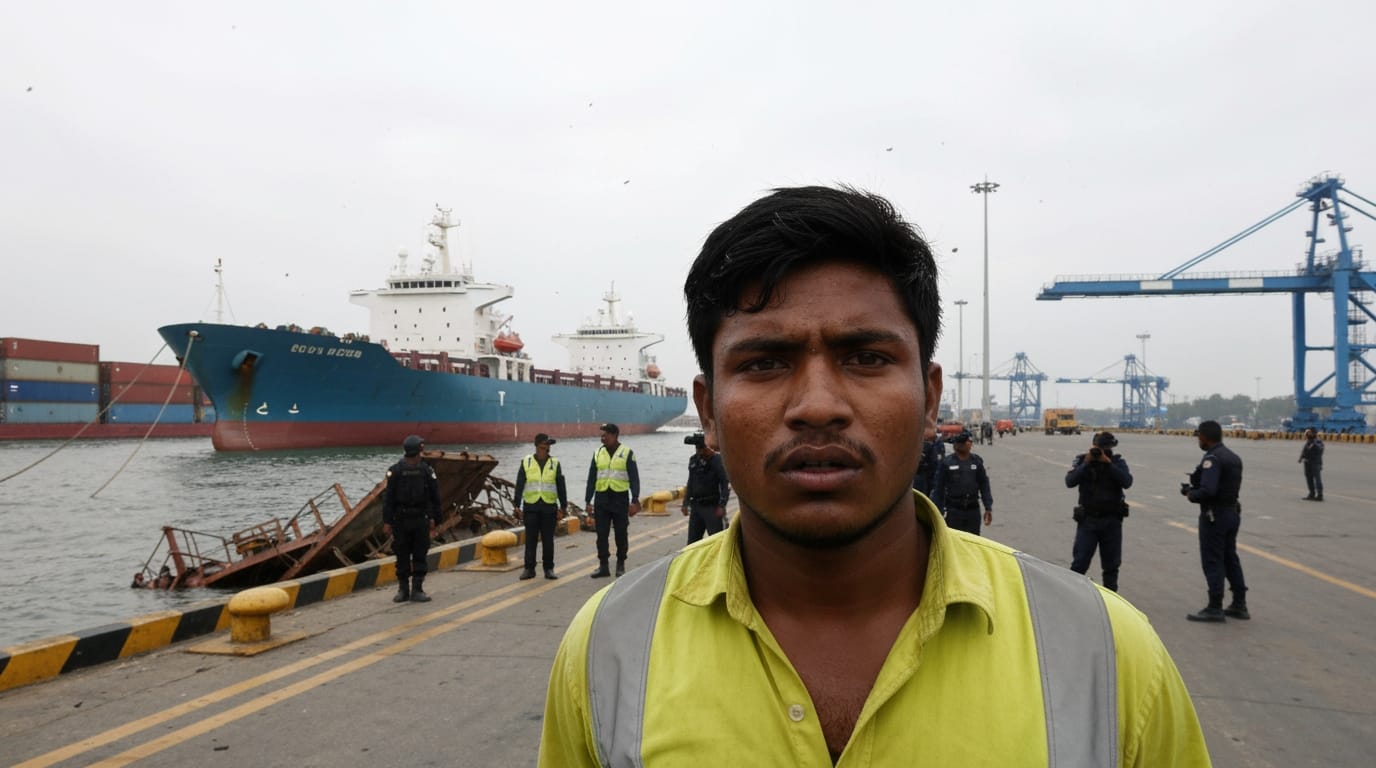
The intricate web of global shipping lanes, once primarily seen as conduits of commerce, has increasingly transformed into contested arenas where geopolitical rivalries and asymmetric threats converge. This weaponization of maritime channels, a phenomenon characterized by deliberate disruptions and strategic pressure, poses an existential risk to international trade, economic stability, and global security. From vital chokepoints like the Suez Canal and the Strait of Hormuz to less visible, yet equally critical, passages, the world's reliance on open seas is being exploited, forcing nations and industries to confront a new era of maritime vulnerability.
The Strategic Importance of Maritime Chokepoints
Maritime transport remains the bedrock of global trade, moving approximately 80% of all merchandise across oceans. This immense volume of traffic, however, is funnelled through a limited number of strategic, narrow passages known as chokepoints. These include critical arteries such as the Suez Canal, connecting the Mediterranean and Red Seas; the Bab el-Mandeb Strait, gateway to the Suez; the Strait of Hormuz, crucial for global energy supplies; the Strait of Malacca, a linchpin for East Asian trade; and the Panama Canal, linking the Atlantic and Pacific. Any disruption in these concentrated pathways can trigger immediate and widespread repercussions across global supply chains, freight markets, and production networks. The strategic locations of these chokepoints, coupled with often limited practical alternatives, render them prime targets for actors seeking to exert influence or inflict economic pain.
A Modern Arsenal of Disruption
The weaponization of shipping channels manifests through diverse tactics, employed by both state and non-state actors. Physical attacks on vessels have become a stark reality, particularly highlighted by the Houthi rebels' campaigns in the Red Sea and Gulf of Aden since late 2023. These assaults, involving drones and missiles, have forced hundreds of container vessels to reroute, escalating regional tensions and disrupting a passage that handles an estimated $1 trillion worth of goods annually. Similarly, Iranian actions in the Strait of Hormuz, including the seizure of commercial vessels and the imposition of transit fees, underscore the potential for state actors to exert control over critical energy flows. Historically, naval blockades have been a potent tool, as seen in the Battle of the Atlantic during World War II, where German U-boats targeted Allied merchant shipping to cripple supply lines.
Beyond direct attacks, other methods of disruption include the deployment of mines in conflict zones, such as the Black Sea, posing an indiscriminate threat to commercial shipping. Piracy, though experiencing a decline in overall incidents in recent years, continues to be a persistent threat in areas like the Strait of Malacca and the Bab el-Mandeb Strait, impacting the well-being of seafarers and forcing extended vigilance. Furthermore, cyberattacks against maritime infrastructure represent an emerging, insidious threat capable of crippling port operations or navigation systems. Even environmental and structural vulnerabilities are increasingly weaponized, as seen with drought-induced restrictions on Panama Canal transits and accidental blockages like the Ever Given incident in the Suez Canal, demonstrating how natural or man-made incidents can be exploited for strategic advantage.
Far-Reaching Economic and Geopolitical Consequences
The implications of weaponizing shipping channels are profound and far-reaching, reverberating through global economies and international relations. Economically, disruptions translate directly into increased costs and delays. For instance, the Houthi attacks in the Red Sea have led to significant rerouting, adding 9 to 17 days to transit times for vessels bypassing the Suez Canal via the Cape of Good Hope. This has caused shipping rates on key routes, such as Shanghai to Rotterdam, to escalate by as much as 158% year-on-year. Insurance premiums for transiting high-risk areas have also surged, sometimes reaching 1% of a ship's value or even 10% for war risk premiums, further burdening shippers and ultimately consumers.
Supply chains, increasingly optimized for efficiency, are particularly vulnerable to these disruptions. Industries ranging from automotive (e.g., Tesla and Volvo facing production delays) to pharmaceuticals and food, which rely on global sourcing, experience significant challenges. The resulting inflationary pressures, increased fuel consumption from longer routes, and higher operating costs cascade through the global economy, affecting commodity prices and the cost of consumer goods. Nations dependent on specific chokepoints for energy or food imports face heightened risks to their security and economic stability. The Suez Canal, for example, saw its revenues decline by 40% in early 2024 due to rerouted traffic, impacting Egypt's economy. The overall effect is an erosion of investor confidence and a shift in trade patterns as nations seek to mitigate chokepoint exposure.
Geopolitically, the weaponization of shipping lanes fuels regional conflicts and complicates international diplomacy. It represents a form of "hybrid conflict" where critical infrastructure becomes a target, allowing actors to impose economic costs without triggering conventional warfare. This trend challenges the principle of freedom of navigation, a cornerstone of international maritime law, and strains relations between nations. The need to protect these vital routes has led to increased military presence, naval escorts, and the formation of international coalitions, such as the US-led "Project Freedom" in the Strait of Hormuz, to ensure safe passage. However, such deployments carry their own risks of escalation and highlight the complex interplay between commercial interests and military intervention.
The Quest for Resilience and Security
In response to these escalating threats, governments and industries are reevaluating strategies to enhance maritime resilience. International cooperation, strategic foresight, and comprehensive resilience planning are increasingly recognized as essential. Efforts include diversifying trade routes and suppliers to reduce reliance on single chokepoints, a challenging but necessary undertaking given the efficiencies of established routes. Investment in resilient port infrastructure and alternative transport corridors is also being explored, though developing credible substitutes for many critical chokepoints remains difficult and costly.
Naval forces play a crucial role in maintaining security, with ongoing efforts to establish and coordinate patrols, escorts, and security zones in high-risk areas. International bodies continue to advocate for freedom of navigation and the safety of seafarers, who bear the brunt of these disruptions, facing prolonged absences, mental stress, and physical danger. Beyond military deterrence, the long-term solution lies in robust diplomatic initiatives, adherence to international law, and a shared commitment to safeguarding the global maritime commons.
The weaponization of shipping channels is not merely a temporary crisis but a structural shift in global commerce and security. It underscores the profound interconnectedness of the world and the vulnerability of its most vital arteries. As geopolitical tensions continue to shape the maritime landscape, the imperative for vigilance, cooperation, and strategic adaptation to ensure the free and safe flow of global trade has never been more pressing.


