Global Rules at a Crossroads: Can the International Order Withstand Mounting Pressures?
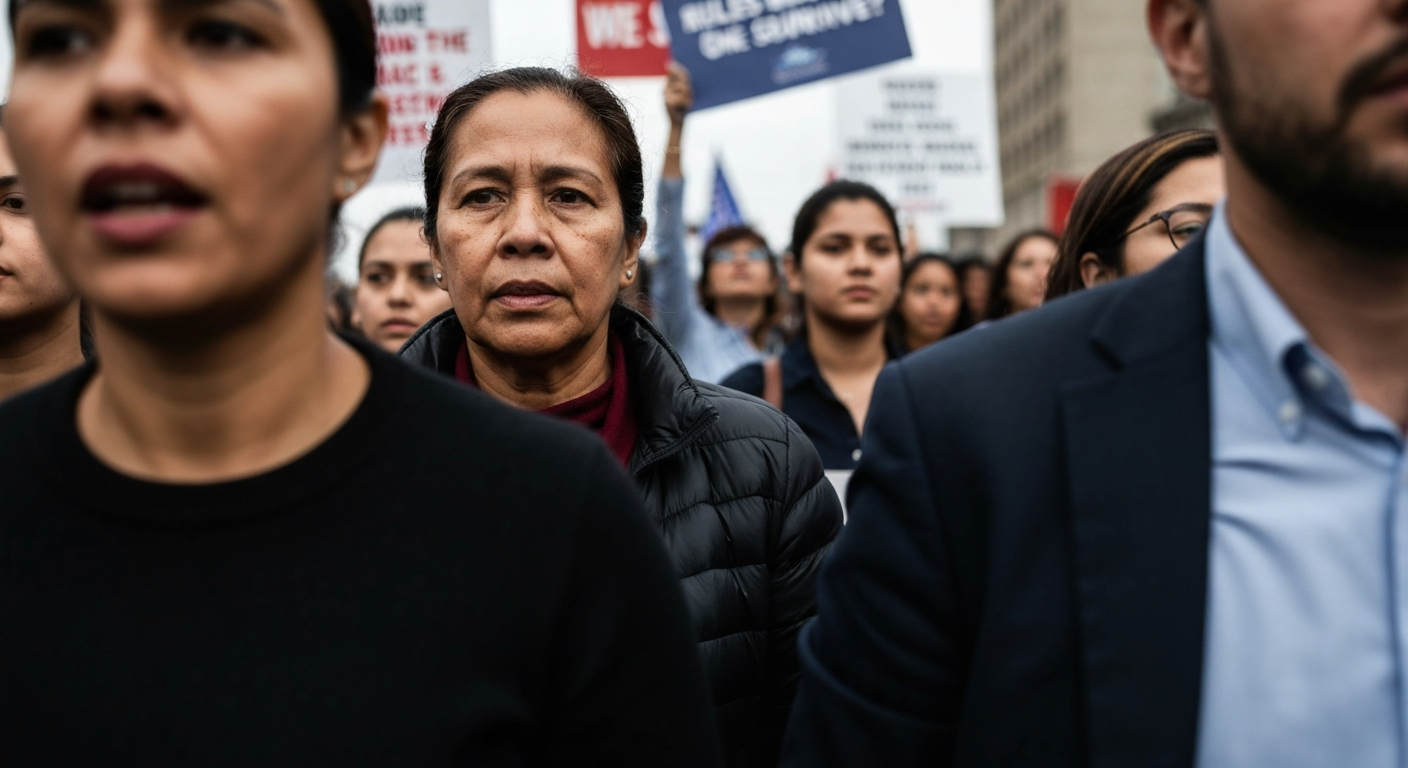
The intricate web of international laws, norms, and institutions that has largely governed global affairs since World War II, often termed the "rules-based order," is facing its most profound test in decades. Once a widely accepted framework for promoting peace, stability, and economic prosperity, this foundational structure is now under immense strain from shifting geopolitical realities, assertive revisionist powers, and growing internal dissent within democratic nations. Its future, whether through adaptation, transformation, or fragmentation, holds significant implications for nearly every aspect of human endeavor, from trade and security to human rights and climate cooperation.
The Architecture of a Post-War World
At its core, the rules-based order is a collective commitment by nations to conduct their relations according to agreed-upon principles, rather than resorting solely to power politics or unilateral action. This framework emerged from the devastation of two world wars, spearheaded by the United States and its allies with the explicit aim of preventing future global conflicts and fostering international cooperation. Key pillars include the United Nations Charter, establishing principles of national sovereignty and non-aggression; the Bretton Woods institutions, such as the International Monetary Fund and the World Bank, designed to stabilize the global economy; and the General Agreement on Tariffs and Trade, later evolving into the World Trade Organization, to facilitate free and fair trade. Together, these entities, along with a vast body of international treaties and conventions covering everything from maritime law to human rights, aimed to create a predictable and relatively stable environment for nations to interact.
For decades, this order provided a backdrop for unprecedented economic growth, facilitated by open markets and regulated financial systems. It also fostered a significant reduction in interstate warfare compared to previous centuries, offering multilateral diplomatic channels for dispute resolution and collective security mechanisms. The concept gained widespread acceptance, particularly during the post-Cold War era, as globalization accelerated and more nations integrated into the interconnected global economy, often perceiving the framework as beneficial for their development and security. The shared understanding was that all participants, regardless of their individual power, would abide by a common set of principles, fostering an environment where even smaller states had a voice and legal recourse.
Rising Challenges and Divergent Perspectives
Despite its perceived successes, the rules-based order has never been universally embraced without reservation, and its integrity is now being challenged on multiple fronts. One primary source of tension stems from the rise of great powers that question the existing distribution of influence and the order's perceived Western-centric origins. China, for instance, while benefiting immensely from global trade facilitated by the WTO, is increasingly asserting its own model of governance and seeking to reshape elements of the international system to better align with its national interests, often through initiatives like the Belt and Road Initiative, which create alternative economic and infrastructural networks.
Simultaneously, Russia's aggressive actions, particularly its full-scale invasion of Ukraine, represent a direct and unambiguous challenge to fundamental tenets of the rules-based order, including national sovereignty, territorial integrity, and the prohibition of aggressive warfare. Such actions not only undermine specific international laws but also erode the underlying trust and shared understanding that form the bedrock of the entire system. These geopolitical maneuvers signal a growing willingness by some states to prioritize national power and strategic advantage over established international norms.
Internal pressures also contribute significantly to the order's fragility. Within many Western democracies, a surge in nationalism, protectionism, and populist sentiment has led to skepticism or outright rejection of multilateral institutions and international agreements. Movements advocating for "America First" or similar nationalist doctrines in Europe question the benefits of global cooperation, viewing it as a drain on national resources or an infringement on sovereignty. This internal erosion weakens the very states that have historically been the principal architects and defenders of the rules-based order, making collective action more difficult and less coherent.
Furthermore, developing nations and parts of the Global South often voice critiques regarding the order's perceived inequities and hypocrisies. They contend that the system, while ostensibly universal, frequently reflects the interests of powerful states, applies standards selectively, and has not adequately addressed historical injustices or their contemporary development needs. This perspective argues that true legitimacy requires a more equitable distribution of power within global institutions and a greater responsiveness to the concerns of a diverse world, rather than perpetuating a framework designed in a different geopolitical era.
Adapting to a Multipolar Future
The critical question now facing policymakers, scholars, and global citizens is whether the rules-based order can adapt to these multifaceted pressures or if it is destined for fragmentation. There are several schools of thought on its potential trajectory. Some argue for a robust defense and reform of the existing institutions, emphasizing that while imperfect, the current system remains the best bulwark against a return to a more chaotic and dangerous world. Proponents of this view advocate for greater inclusivity within bodies like the UN Security Council and the IMF, giving rising powers a more significant stake and voice in global governance. This adaptation would involve updating rules and norms to address new challenges such as cyber warfare, artificial intelligence governance, and climate change, ensuring the order remains relevant and effective.
Another perspective suggests that a complete restoration of the post-WWII order is unlikely, and that the future may involve a more multipolar or "multilateral-lite" system. In this scenario, elements of the rules-based order might coexist with regional blocs, ad-hoc alliances, and a greater emphasis on power balancing. This would not necessarily entail a complete collapse but rather a more complex and perhaps less universal international landscape, where different rules or norms apply in different spheres of influence, leading to a more fragmented form of global cooperation.
A more pessimistic outlook warns of a potential return to a state of heightened competition, with nations prioritizing self-interest above all else, leading to a breakdown of international cooperation, increased trade wars, and a higher risk of regional conflicts. This scenario envisions a world where the principles of sovereignty and non-aggression are routinely disregarded, and international law holds little sway against national power.
The path forward for the rules-based order is not predetermined. Its survival and evolution will depend on the willingness of both established and emerging powers to find common ground, adapt its structures to reflect current global realities, and reaffirm a shared commitment to the principles of peaceful coexistence and multilateral problem-solving. As the world grapples with interconnected challenges ranging from climate emergencies to future pandemics, the effectiveness and legitimacy of an agreed-upon international framework will be more critical than ever, shaping the trajectory of global stability and human prosperity for decades to come.
Related Articles


Landmines Resurge Globally, Shattering Two Decades of Progress
The global effort to eradicate antipersonnel landmines, once heralded as a monumental success in humanitarian disarmament, is facing a perilous reversal. Despite an international treaty banning these indiscriminate...

Disinformation Campaigns Cloud Michigan's Critical US Senate Race
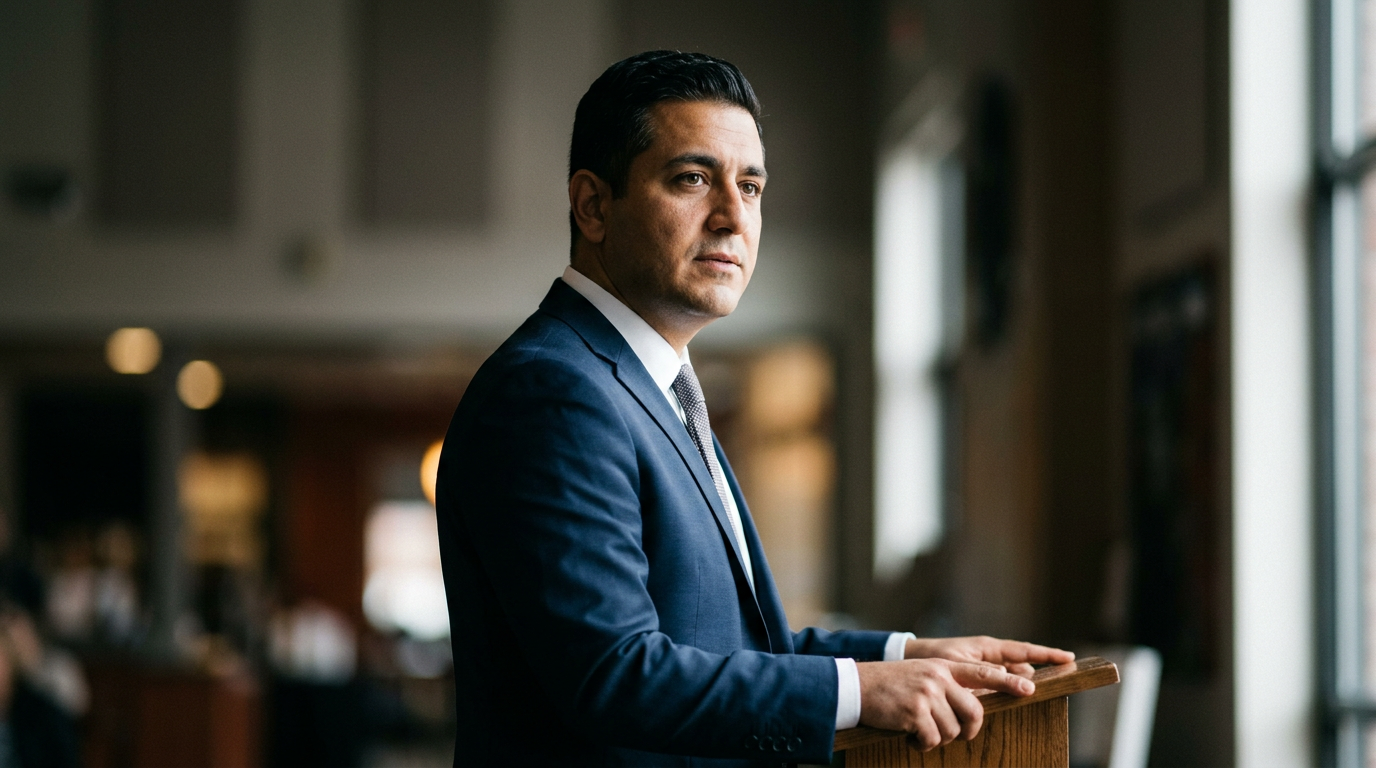
LANSING, Mich. — The fiercely contested Democratic primary for the U.S. Senate in Michigan has become a battleground not just of policy and ideology, but of pervasive disinformation, with progressive candidate Abdul...