Bad Bunny's Super Bowl Halftime Ignites Cultural Celebration Amidst Whirlwind of Viral Claims
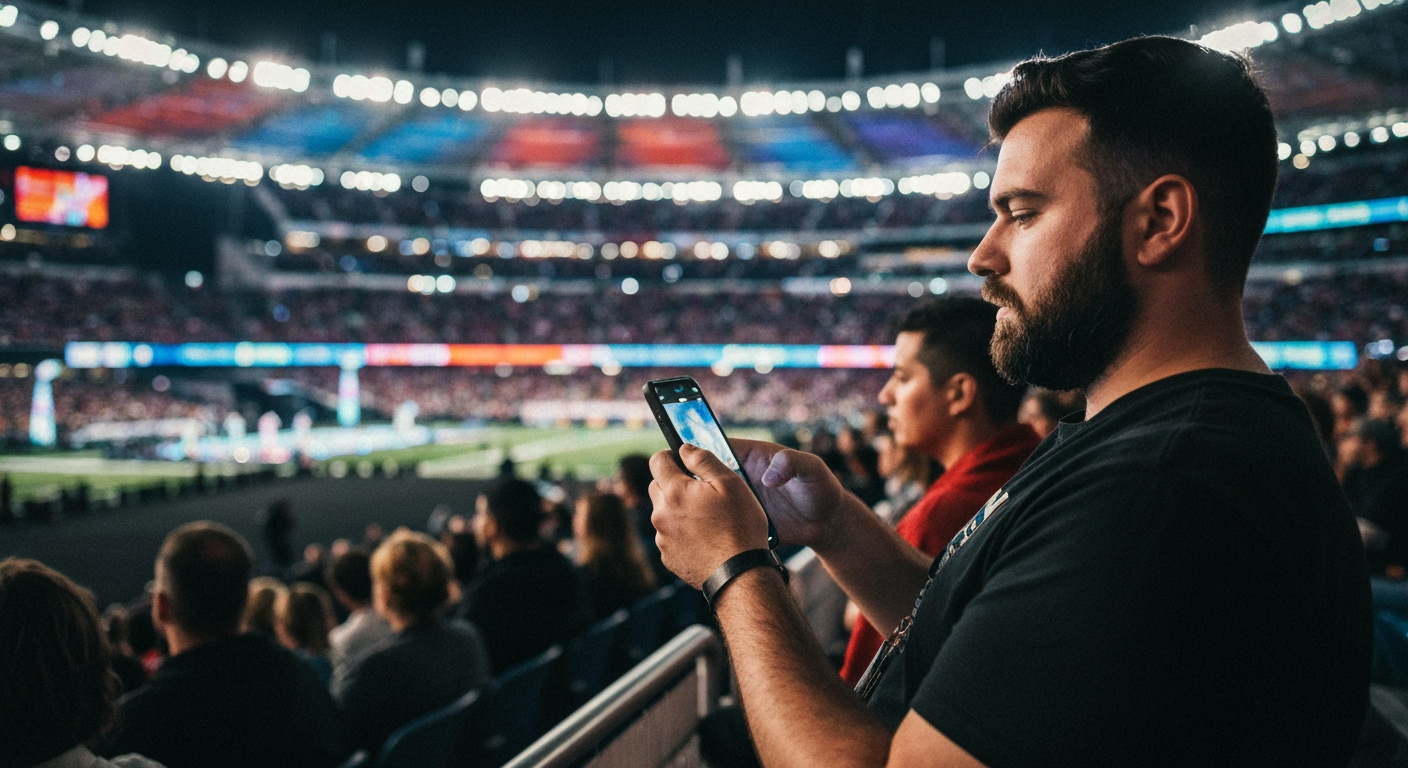
Santa Clara, California – Bad Bunny's historic headlining performance at Super Bowl LX on February 8, 2026, delivered a vibrant 13-minute spectacle celebrating Puerto Rican heritage and Latin culture to millions of viewers worldwide. While the performance itself was lauded by many as a powerful cultural statement, its broadcast simultaneously sparked a rapid proliferation of viral claims and misinformation across social media platforms, ranging from AI-generated imagery to misidentified individuals and contentious political interpretations. This dual narrative of groundbreaking entertainment and online distortion underscores the challenges of consuming information in the digital age, where factual events often contend with fabricated narratives.
A Groundbreaking Cultural Spectacle
Benito Antonio Martínez Ocasio, known globally as Bad Bunny, made history as the first solo Latino artist to headline the Super Bowl Halftime Show and the first to perform almost entirely in Spanish. The NFL, in partnership with Apple Music and Roc Nation, announced his selection on September 28, 2025, setting the stage for an anticipated event that promised to bring Latin culture to America's largest stage. His performance at Levi's Stadium in Santa Clara, California, was a dynamic showcase of reggaeton, bomba, and hip-hop, featuring a rich tapestry of Puerto Rican life, from sugarcane fields and domino players to bodegas and casitas.
The 13-minute set included hits like "Tití Me Preguntó," "Yo Perreo Sola," and "EoO," and featured surprise appearances by musical icons Lady Gaga and Ricky Martin, who joined Bad Bunny for spirited renditions of their respective tracks, including a salsa-infused version of Gaga's "Die with a Smile" and Martin's "Lo Que Le Pasó a Hawaii." The performance was an explicit celebration of his roots, with Bad Bunny himself wearing a custom football jersey bearing his real last name, Ocasio, and the number 64. Many observers lauded the show for its visual storytelling, its message of unity, and its exuberant embrace of Latino identity, particularly poignant for an artist whose previous work has often explored social and political themes.
Debunking Digital Deceptions: The Flag and the Boy
Almost immediately following the performance, several claims gained significant traction online, requiring swift fact-checking to separate truth from fiction. One of the most inflammatory viral images depicted a performer resembling Bad Bunny appearing to burn an American flag during a purported rehearsal. Investigations quickly revealed this image to be a fabrication, originating from an AI-meme source that openly identifies its content as "100% Not Real" and "satire." The image also carried markers consistent with SynthID, a watermarking system designed to identify media created or edited with AI tools, serving as a critical clue in its debunking. This incident highlighted the increasing ease with which AI-generated "rage bait" can spread, leveraging believable-enough imagery to provoke strong reactions before verification.
Another widely circulated claim concerned a young boy who appeared in the halftime show, receiving a Grammy from Bad Bunny in a symbolic gesture. Social media speculation linked this child to Liam Ramos, a 5-year-old who had recently been detained by ICE. However, fact-checkers confirmed that the boy featured in the performance was Lincoln Fox, a 5-year-old actor, and not Liam Ramos. A publicist for Bad Bunny and a representative for the Ramos family both independently verified this information, clarifying the identity of the boy and refuting the viral association.
Navigating Political Interpretations and Viewership Records
The Super Bowl Halftime Show, by its very nature, often becomes a focal point for cultural and political commentary, and Bad Bunny's performance was no exception. Despite many viewing it as a celebration of culture and identity, certain elements drew criticism and ignited debate. Some critics, including prominent political figures, interpreted certain aspects of the show as implicitly anti-American. For instance, Ricky Martin's performance of "Lo Que Le Pasó a Hawaii" (What Happened to Hawaii) was viewed by some as a subtle critique of Hawaii's statehood and a call for Puerto Rican independence. Additionally, Bad Bunny's shout of "God Bless America!" was, for some, interpreted as a blessing for the wider Americas, rather than exclusively the United States. These interpretations, though not universally shared, underscore the show's capacity to elicit diverse reactions and reflect existing societal dialogues.
Concurrent with the performance's reception were claims regarding its viewership numbers. Posts on social media platforms asserted that Bad Bunny's halftime show was the most-watched in Super Bowl history, citing figures between 135.4 and 139 million viewers. While initial reports and industry insiders suggested impressive viewership figures that could potentially surpass previous records, official Nielsen ratings, which are typically released several days after the event, had not yet been published to definitively confirm these claims at the time. Usher's 2024 performance, for example, drew 129 million viewers, and Rihanna's 2023 show attracted 115 million, highlighting the high bar for record-breaking viewership.
The Enduring Challenge of Online Misinformation
The flurry of viral claims surrounding Bad Bunny's Super Bowl LX halftime show serves as a contemporary case study in the rapid spread of online misinformation, especially concerning high-profile public events. False narratives, whether intentionally fabricated through AI or arising from misinterpretations, can quickly overshadow factual reporting and influence public perception. The deliberate creation of "rage bait" content, designed to provoke emotional responses and maximize shares, further complicates the media landscape.
Fact-checking organizations and journalists play a crucial role in verifying information and providing accurate context, but the sheer volume and speed of digital dissemination often mean that false claims can gain significant traction before being debunked. The incident highlights the growing necessity for media literacy among consumers and a critical approach to information encountered on social media.
Bad Bunny's Super Bowl LX halftime show stands as a significant moment in pop culture, a powerful and authentic expression of Latin identity on a global stage. However, its narrative is inextricably linked with the concurrent surge of online misinformation, a testament to both the performance's broad impact and the persistent challenges of navigating truth in the digital age. As Super Bowl halftime shows continue to evolve into global cultural touchstones, so too does the vigilance required to distinguish genuine events from manufactured claims.
Related Articles


Landmines Resurge Globally, Shattering Two Decades of Progress
The global effort to eradicate antipersonnel landmines, once heralded as a monumental success in humanitarian disarmament, is facing a perilous reversal. Despite an international treaty banning these indiscriminate...

Disinformation Campaigns Cloud Michigan's Critical US Senate Race
LANSING, Mich. — The fiercely contested Democratic primary for the U.S. Senate in Michigan has become a battleground not just of policy and ideology, but of pervasive disinformation, with progressive candidate Abdul...