Global Surge in Antisemitism: 2025 Marks Deadliest Year in Decades for Jews Outside Israel
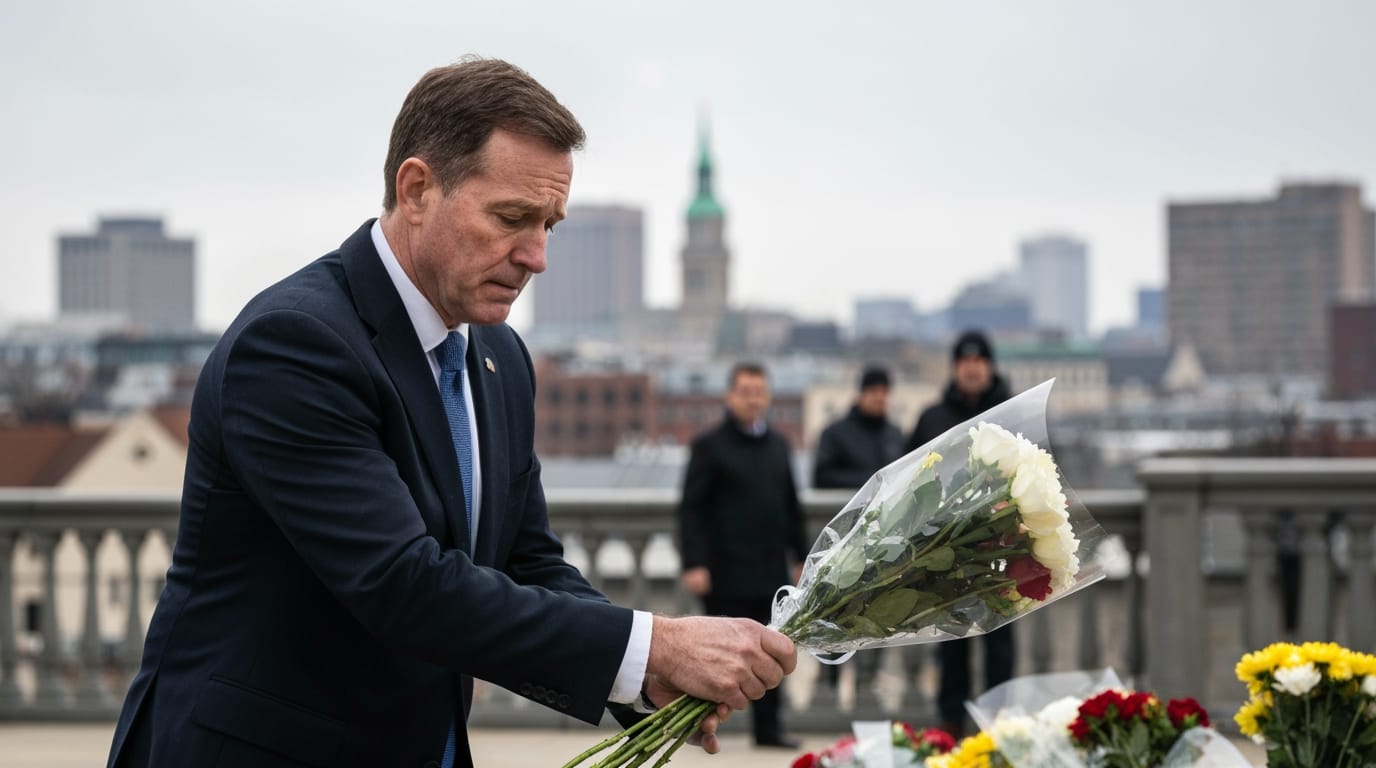
Global Jewish communities are grappling with an alarming and sustained rise in antisemitic violence, with a new report revealing that 2025 was the deadliest year for antisemitic attacks outside of Israel in over three decades. At least 20 individuals were killed in targeted attacks across three continents, signaling a disturbing escalation of hatred that experts warn has become a "new normal" rather than a temporary surge.
The grim findings, released by the J7 Large Communities' Task Force Against Antisemitism, a coalition representing more than 90% of the Jewish diaspora, underscore a profound and worsening global crisis. These revelations, corroborated by independent analysis from Tel Aviv University, highlight an unprecedented level of threat faced by Jewish people worldwide, evoking comparisons to the period after World War II. In 2025 alone, the J7 documented over 23,000 antisemitic incidents across seven countries—Argentina, Australia, Canada, France, Germany, the United Kingdom, and the United States—a stark indicator of the pervasive nature of this prejudice.
The Alarming Escalation of Violence
The report's most sobering statistic is the loss of 20 lives in 2025, marking the highest annual toll since the 1994 bombing of the AMIA Jewish community center in Buenos Aires, which killed 85 people. This tragic figure is a stark reminder that antisemitic incidents are not merely statistics; they represent lives lost and communities shattered. The attacks that contributed to this somber total were varied in their execution but unified in their hateful intent.
In Australia, a Hanukkah celebration on Sydney's Bondi Beach turned into a massacre when two gunmen opened fire, killing 15 people. The United Kingdom witnessed a horrific attack on Yom Kippur, Judaism's holiest day, where two men were killed at a synagogue in Manchester. The United States also experienced deadly violence, including the shooting deaths of two Israeli embassy staff outside a Jewish museum in Washington D.C., and the death of a grandmother in Boulder, Colorado, who succumbed to injuries from a Molotov cocktail attack on a gathering supporting hostages in Gaza. These incidents represent a tangible and brutal manifestation of escalating antisemitism.
A Sustained Threat: Beyond a "Surge"
The J7 report dismisses the notion that the current wave of antisemitism is merely a temporary "spike" in response to geopolitical events. Instead, it categorizes the phenomenon as an "ongoing, sustained trend" and a "new normal." This assessment is supported by a significant increase in antisemitic incidents overall, which have surged by 136% since 2022, the year before the October 7, 2023 Hamas attack on Israel. More critically, violent incidents have risen by an alarming 97% during the same period.
While some countries, including the U.S., Australia, Canada, and France, saw a moderate decrease in the total number of antisemitic incidents in 2025 compared to 2024, these figures remain substantially higher than pre-October 7 levels. Conversely, the United Kingdom, Argentina, and Germany experienced an increase in incidents in 2025. Notably, Germany recorded the highest rate of antisemitic incidents per capita, with nearly 70 incidents per 1,000 Jewish residents in 2025. This shift underscores a concerning evolution where the overall volume might fluctuate, but the severity and lethality of attacks are on an upward trajectory.
Unpacking the Driving Factors
The report and complementary studies point to a complex web of factors contributing to this alarming rise in antisemitism. The aftermath of the October 7, 2023, Hamas attack on Israel and the subsequent conflict in Gaza are consistently cited as significant catalysts, fueling an environment where antisemitic sentiments are more openly expressed and acted upon.
A particularly troubling aspect identified is the role of anti-Zionism as a motivating factor. The J7 report found that anti-Zionism contributed to nearly half of the recorded incidents in Britain and the United States, and almost a quarter of those in Germany. This linkage suggests that criticism of Israeli policies can, in many instances, bleed into or serve as a pretext for antisemitic targeting of Jewish individuals and institutions globally.
The digital realm also plays a critical, and often insidious, role. Social media platforms are frequently described as "open sewers of hatred," where antisemitic content proliferates unchecked. The report highlights the "weaponization of artificial intelligence" as a "menacing development" that can generate, amplify, and disseminate antisemitic material at scale. This digital environment fosters radicalization and can inspire "lone wolf" attackers, who are often untethered from organized groups, making them harder to track and prevent. Beyond online extremism, broader societal shifts, including increased tolerance for bigotry across the political spectrum and a global surge in nativism and nationalism, are also cited as contributing to a climate hostile to Jewish communities.
Impact on Jewish Life and Calls for Action
The human toll of rising antisemitism extends beyond physical attacks to the daily lives of Jewish people worldwide. Surveys indicate that a vast majority of American Jews, 86%, believe antisemitism has increased significantly since October 7, 2023. A staggering 91% of American Jews reported feeling less safe as a Jewish person in the U.S. due to violent attacks in the past year. This pervasive fear has led more than half of American Jews to alter their behavior out of safety concerns. Young Jewish individuals are disproportionately affected, particularly on college campuses and in online spaces, where they face heightened levels of antisemitism. Phrases such as "Globalize the Intifada" contribute significantly to feelings of insecurity among American Jews.
In response to these escalating threats, the J7 task force has issued an urgent call to action. The report implores governments to move beyond reactive measures and implement proactive strategies to protect Jewish communities. Key recommendations include securing "real security funding," enacting "stronger laws" to combat antisemitism, and demanding that social media platforms effectively enforce their own rules against hate speech. These measures are deemed essential to confront what has become a deeply entrenched and dangerous reality for Jews outside Israel.
Conclusion
The year 2025 stands as a chilling testament to the persistent and deadly nature of antisemitism in the modern era. The coordinated findings from leading Jewish organizations paint a stark picture of a global Jewish population under siege, facing a level of violence not seen in generations. The data clearly demonstrates that antisemitism is not merely a transient phenomenon but a deeply rooted and evolving threat, exacerbated by geopolitical tensions and amplified by digital platforms. Addressing this crisis demands a comprehensive, sustained effort from governments, law enforcement, tech companies, and civil society to protect Jewish lives and ensure that the "new normal" of fear and violence does not become an irreversible reality.


