Global Trade Faces Protracted Recovery After Iran War, Experts Warn
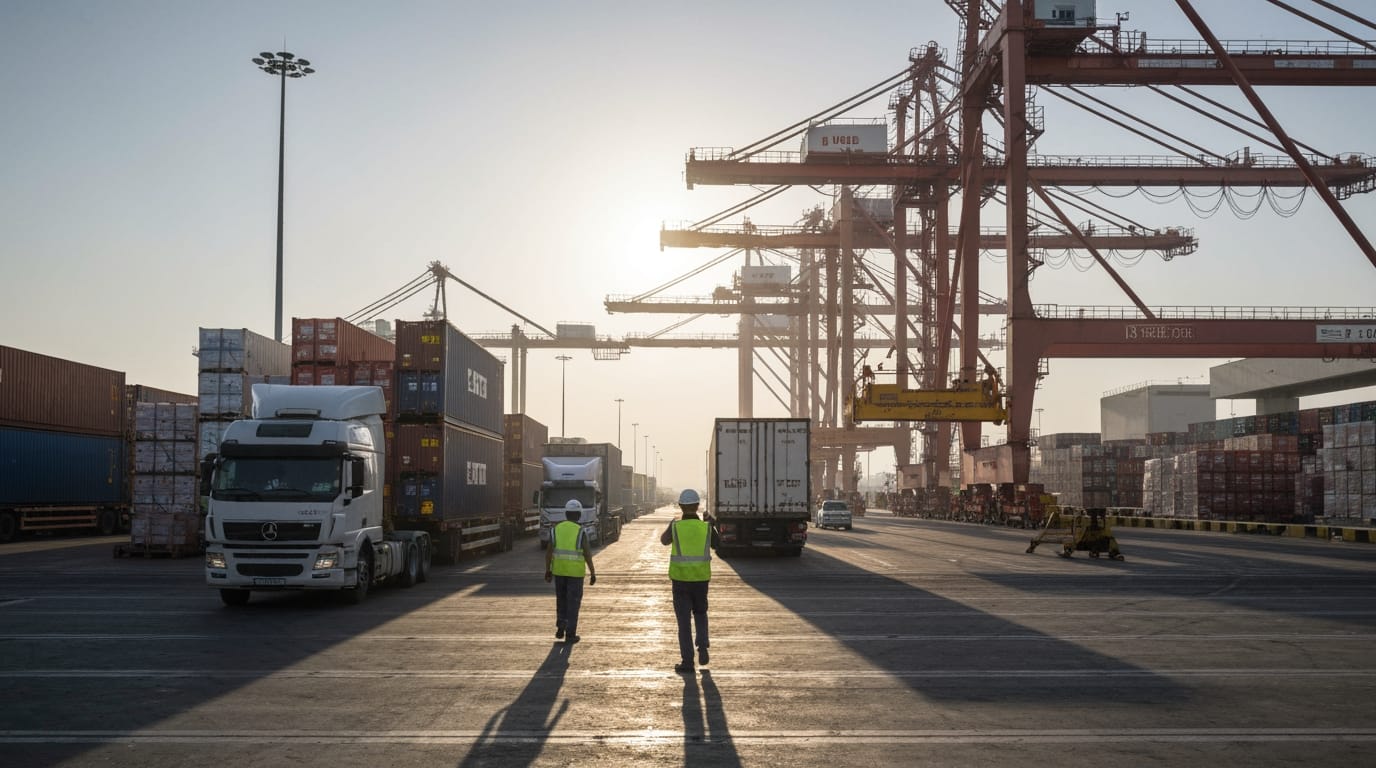
The global economy is grappling with an unprecedented shock as the conflict involving Iran severely disrupts international trade, particularly energy flows, setting the stage for a prolonged and uncertain recovery. Experts indicate that even a swift resolution would not immediately alleviate the profound economic consequences, with some key sectors facing multi-year recovery timelines. The escalating tensions and infrastructure damage have effectively stalled a nascent global economic recovery and ignited significant inflationary pressures worldwide.
The immediate aftermath of the conflict has seen global markets reeling from a severe energy supply crisis. The Strait of Hormuz, a critical chokepoint for approximately a quarter of global seaborne oil trade and one-fifth of liquefied natural gas (LNG) shipments, has been effectively closed. This disruption represents roughly 2% of world trade in value terms, with the impact concentrated heavily in Asia, a major importer of energy. The International Energy Agency has characterized the resulting loss of 7 to 10 million barrels per day of oil output as the "largest supply disruption in the history of the global oil market." Oil prices have surged, with Brent crude surpassing $100 per barrel, further burdening economies already struggling with existing inflationary trends. Beyond the immediate cessation of shipments, significant infrastructure damage, such as the strikes on Qatar's Ras Laffan natural gas terminal, which produces 20 percent of the world's LNG, have crippled export capacity, with repairs alone estimated to take up to five years. This profound disruption to the global energy supply chain has triggered widespread rationing of fuel and government subsidies in developing countries to protect their most vulnerable populations.
The economic ripples of the conflict extend far beyond energy markets, threatening to derail global growth and exacerbate inflation. The Organisation for Economic Co-operation and Development (OECD) projects a significant slowdown in global GDP growth, revising its 2026 forecast from 3.3% to 2.9%, with only a marginal recovery expected in 2027. This downward revision neutralizes previous positive factors such as increased technology investment and reduced trade tariffs. Concurrently, inflation in G20 economies is anticipated to reach 4.0% in 2026, marking a 1.2 percentage point increase from prior estimates. The International Monetary Fund (IMF) has warned that the war is causing a "global but asymmetric shock," leading to tighter financial conditions, higher prices, and slower growth across the board. Economists are increasingly voicing concerns about the potential for 1970s-style stagflation – a dangerous combination of high inflation, stalled economic growth, and rising unemployment. The long-term implications of elevated energy prices and geopolitical uncertainty could keep inflation stubbornly high and strain import-reliant nations.
The strain on global supply chains is not limited to fossil fuels. The conflict is also impacting the availability of critical commodities such as helium, an essential component in semiconductor manufacturing that underpins the artificial intelligence industry, and fertilizers, which could lead to increased food prices globally. These disruptions threaten to cascade through various industries, from high-tech manufacturing to agriculture, creating further bottlenecks and inflationary pressures. Financial markets have also experienced severe turbulence. Global stock markets have been reeling, with the S&P 500 recording five consecutive weeks of losses, nearing correction territory. The uncertainty surrounding the conflict's duration and ultimate outcome continues to weigh heavily on investor confidence, prompting significant capital outflows and hindering investment crucial for economic stability and growth.
The path to recovery for global trade is anticipated to be a protracted one, even under the most optimistic scenarios. While oil markets may begin to stabilize several weeks after a ceasefire, with full export recovery projected for 2027 assuming limited infrastructure damage, the natural gas sector faces a much longer healing process. The estimated five-year timeframe for repairing damaged LNG facilities in Qatar highlights the enduring impact on global gas supplies. Furthermore, the restart of oil wells and the restoration of production capacity that has been shut in will be a gradual process, not an immediate one. The speed of recovery will heavily depend on the conflict's duration, its geographical spread, and the extent of damage inflicted on critical infrastructure and supply routes. Even under the best circumstances, experts suggest the recovery process will be slow.
In conclusion, the war involving Iran has delivered a severe blow to the interconnected global trading system. The unprecedented disruption to energy supplies, coupled with rising inflation, slowing economic growth, and widespread supply chain stresses, presents a formidable challenge to global economic stability. The recovery is not expected to be swift, with some critical sectors facing multi-year restoration efforts. The ongoing uncertainty and the widespread economic consequences underscore the fragility of global trade routes and the profound impact geopolitical events can have on the livelihoods of billions worldwide.