Golf Icon Tiger Woods Steps Away for Treatment Following DUI Arrest
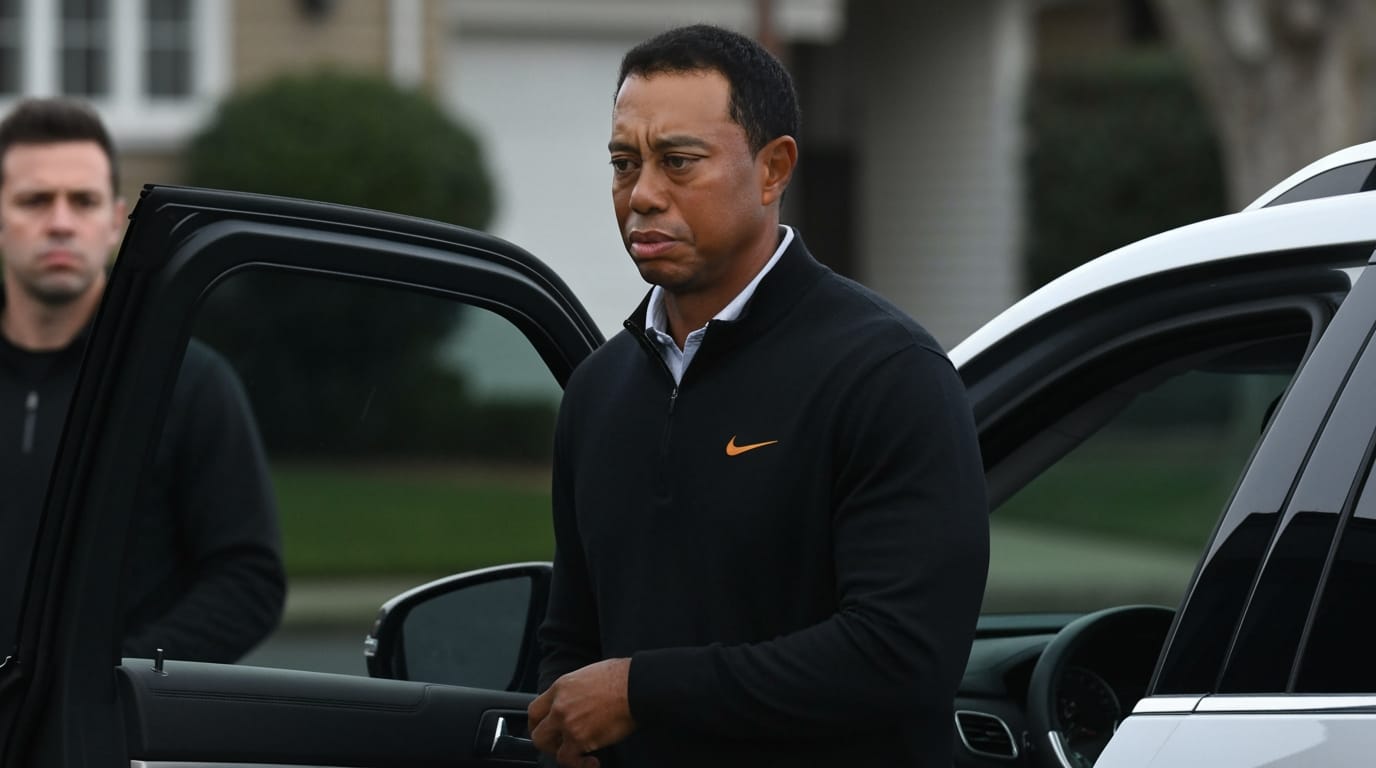
Golf legend Tiger Woods announced he is stepping away from the public eye to seek professional treatment, a decision that followed his May 29, 2017, arrest on suspicion of driving under the influence in Jupiter, Florida. The incident and subsequent announcement have cast a spotlight on the athlete's ongoing struggles with pain management and his journey toward recovery. Woods' statement, released days after the arrest, emphasized his commitment to prioritizing his health and well-being for a lasting recovery.
The Incident: A Rollover Crash and Signs of Impairment
The events unfolded in the early hours of Monday, May 29, 2017, when Woods was involved in a single-vehicle rollover crash near his Jupiter Island home. His Land Rover reportedly clipped a truck before overturning onto its side on a residential road. Law enforcement officers arriving at the scene observed several signs of impairment, including profuse sweating, sluggish movement, and lethargic speech. His eyes were noted to be bloodshot and glassy, with dilated pupils, according to reports. When questioned, Woods reportedly told deputies he had been looking down at his phone and changing the radio station prior to the collision.
Despite the visible signs of impairment, a breathalyzer test administered at the scene indicated no alcohol in Woods' system. However, two pills later identified as hydrocodone, a prescription opioid, were discovered in his pocket during a search following his arrest. Woods informed investigators he had not consumed alcohol that day but had taken "a few" prescription medications, including Vicodin, as well as medication for blood pressure and cholesterol. He also refused to provide a urine sample for drug testing, which, under Florida law, incurred an additional misdemeanor charge. Woods was subsequently charged with driving under the influence with property damage and refusal to submit to a lawful test. He was transported to a local hospital for medical clearance before being taken to the Martin County jail, where he was held for the mandatory eight hours before being released on bail. Woods later entered a plea of not guilty and demanded a jury trial, waiving his arraignment.
Woods' Commitment to Healing: Seeking Professional Help
Following the highly publicized arrest, Woods issued a public statement through his social media channels, announcing his decision to seek professional help. "I know and understand the seriousness of the situation I find myself in today," Woods stated, adding, "I am stepping away for a period of time to seek treatment and focus on my health. This is necessary in order for me to prioritize my well-being and work toward lasting recovery." He expressed his commitment to returning in a "healthier, stronger, and more focused place, both personally and professionally," while requesting privacy for himself and his family. The PGA Tour quickly offered its full support, with CEO Brian Rolapp acknowledging Woods' profound influence on the sport and expressing respect for his decision to prioritize his well-being. This public declaration marked a significant moment for the athlete, signaling an acknowledgment of personal challenges and a proactive step towards addressing them.
A Long Road of Pain: The Medical Background
The incident and Woods' subsequent decision to seek treatment are inextricably linked to his extensive history of injuries and surgeries, particularly those affecting his back. Leading up to the May 2017 arrest, Woods had undergone multiple back surgeries, with his fourth back procedure, an anterior lumbar interbody fusion to address sciatica and severe nerve pain, performed just weeks prior in April 2017. This fusion surgery aimed to relieve continuous leg and back pain resulting from a severely narrowed lower back disc. His medical timeline reveals a series of interventions dating back years, including microdiscectomy procedures in 2014 and two in 2015 to remove disc fragments and alleviate nerve pressure. Woods himself had previously attributed discomfort to issues such as being unable to activate certain muscles.
The reliance on prescription medications, such as hydrocodone and Vicodin, often becomes a necessity for individuals managing chronic pain, particularly for athletes whose bodies endure immense physical stress. The challenges of balancing pain relief with daily functioning, especially after demanding surgeries and during rehabilitation, underscore the complexities of such medical journeys. This context provides a crucial understanding of the circumstances surrounding the DUI arrest, as Woods indicated he was under the influence of prescribed medications rather than alcohol.
The Path Ahead: Legal Proceedings and Public Scrutiny
Woods' not-guilty plea and demand for a jury trial signal the commencement of a legal process that will unfold in the coming weeks and months. His decision to waive arraignment suggests a strategy to expedite proceedings towards a trial. The refusal to submit to a urine test, while a legal right, carries its own set of legal consequences in Florida, adding to the complexity of the charges. Beyond the legal ramifications, the incident and Woods' public announcement will undoubtedly have significant implications for his storied career and carefully cultivated public image.
The PGA Tour has pledged its support, but the immediate future of his golf career remains uncertain as he focuses on his health. This period of treatment marks another chapter in Woods' life that has frequently unfolded under intense public scrutiny, reflecting not only his athletic achievements but also his personal struggles. His decision to address his health directly suggests a recognition of the need for profound personal recovery, an endeavor that will continue to be watched closely by fans and the wider sporting world alike.
In the wake of his May 2017 DUI arrest and the candid admission of his need for treatment, Tiger Woods faces a challenging but critical period of recovery. The incident brought to the forefront the athlete's ongoing battle with chronic pain and the complexities of managing it with prescription medications, set against a backdrop of numerous career-threatening injuries. As Woods steps away from golf to focus on his well-being, his journey underscores the personal tolls that even the most successful public figures can endure. The path forward, encompassing both legal proceedings and intensive personal care, represents a significant turning point, with the hope that this period of focused treatment will pave the way for lasting health and a potential return to the life he has known.


