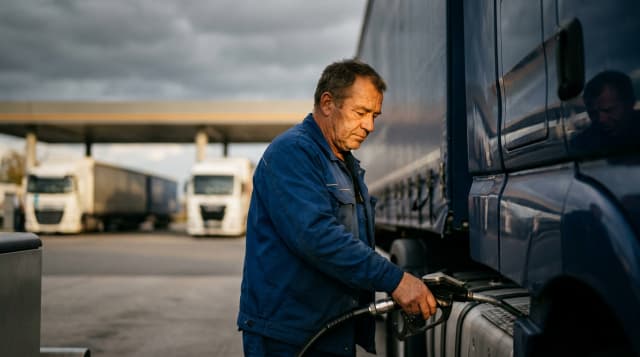
Governments Grapple with Soaring Fuel Prices Amid Global Instability, Eyeing Long-Term Shifts
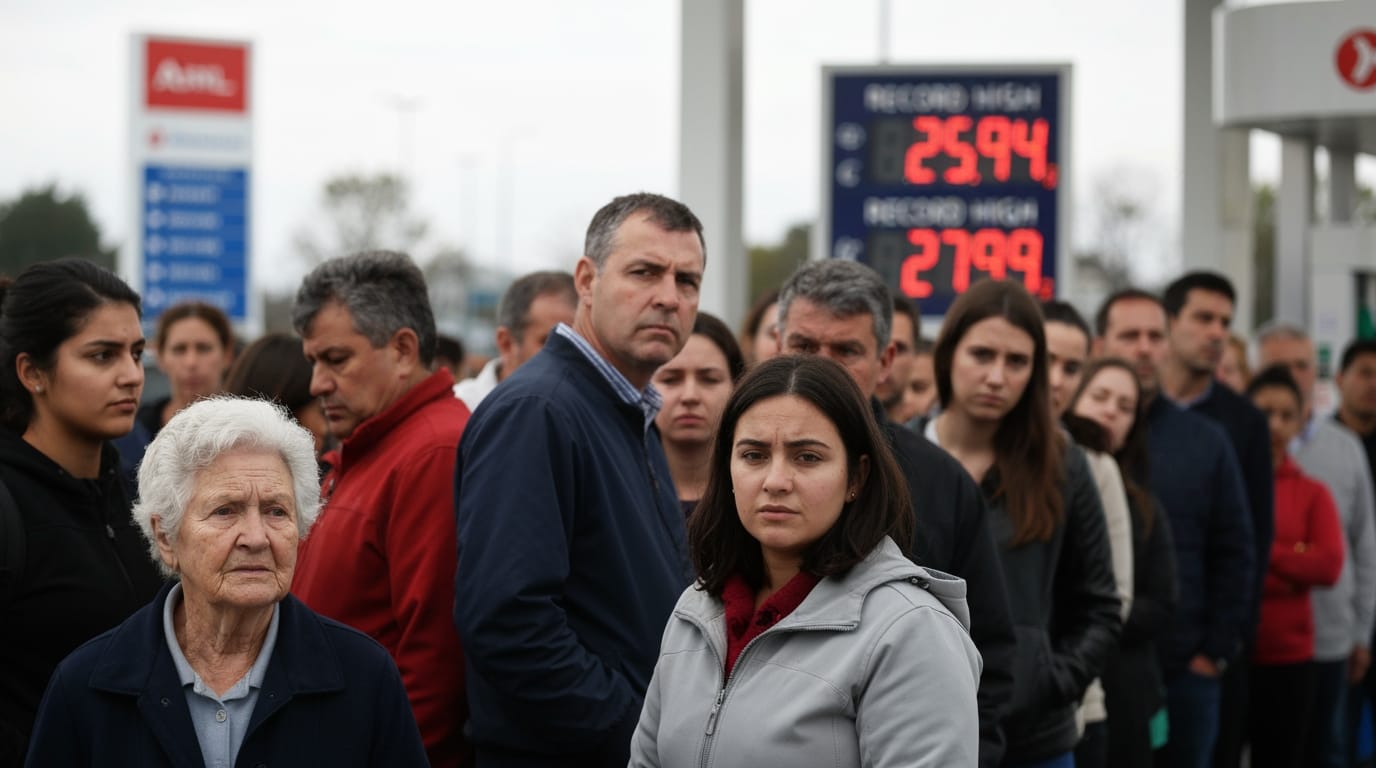
Global populations are once again facing the sting of escalating fuel prices, driven by a volatile mix of geopolitical tensions and supply chain disruptions. As the cost of gasoline and diesel climbs to near-record highs, governments worldwide are walking a tightrope, balancing immediate economic relief for their citizens with the pressing need for sustainable, long-term energy solutions. The current energy crisis, significantly exacerbated by recent conflicts in the Middle East and the lingering effects of the 2022 Russia-Ukraine war, underscores the inherent vulnerabilities of a global economy heavily reliant on fossil fuels.
The surge in fuel costs has direct and severe implications, impacting everything from individual household budgets to global inflation rates. Consumers face reduced purchasing power, while businesses, particularly those in transportation and logistics, contend with significantly higher operational expenses. This economic pressure has forced governments to act swiftly, deploying a range of interventions, though the efficacy and long-term wisdom of these measures remain subjects of intense debate.
The Unfolding Crisis: A Global Economic Strain
The world has witnessed several periods of elevated fuel prices, with significant spikes in recent years. In June 2022, for instance, U.S. gasoline prices hit an all-time high of $4.33 per gallon, a benchmark that was approached again in March 2026, when prices surpassed $4 per gallon. This trend is not isolated, with the global average price of petrol having doubled in the two decades leading up to 2021.
The primary catalysts for these recent escalations are geopolitical. The conflict in the Middle East and the closure of the Strait of Hormuz, a critical chokepoint for a substantial portion of global oil and natural gas trade, have triggered severe disruptions in global energy supply. Such shocks ripple through interconnected markets, driving up crude oil prices and, consequently, the cost at the pump. The economic fallout is widespread: higher energy costs contribute directly to inflation, eroding consumer confidence and potentially slowing economic growth. Lower-income households are particularly vulnerable, often having fewer options to mitigate the financial burden of increased transportation costs.
Immediate Interventions: A Mixed Bag of Short-Term Relief
In the face of public outcry and economic strain, many governments have resorted to short-term measures aimed at cushioning the blow of high fuel prices. These often include fuel tax cuts, direct subsidies, and releases from strategic reserves.
Fuel tax reductions have been a common approach. The United Kingdom, for example, introduced a 5 pence per liter reduction in fuel duties in 2022, a measure that has since been renewed. Similarly, Poland halved its VAT on fuel and cut excise duty to the minimum allowed under EU law, while Germany temporarily reduced its fuel tax by 17 cents per liter. While such measures offer immediate financial relief, critics argue they are often poorly targeted, disproportionately benefiting those who consume more fuel and doing little to encourage reduced consumption or a shift to cleaner alternatives. There is also concern that energy companies may not fully pass on these reductions to consumers.
Subsidies, both direct and indirect, represent another prevalent governmental response. These can take the form of direct support for energy bills or tax breaks that lower the cost of fossil fuels. However, the International Monetary Fund (IMF) and other experts have criticized broad fossil fuel subsidies for being costly, difficult to sustain, and for actively weakening incentives for energy conservation. Such subsidies can inadvertently lock in fossil fuel dependence and distort market signals that would otherwise encourage investment in renewable energy. More targeted approaches, such as direct cash transfers to vulnerable households, are often proposed as a more fiscally responsible and effective alternative, as they help those in need while preserving price signals necessary for demand reduction.
In situations of acute supply disruption, several nations have tapped into their Strategic Petroleum Reserves (SPRs). The U.S. and France, among others, have released crude oil from these stockpiles to increase market supply and temper price hikes. A 2022 analysis by the U.S. Treasury Department indicated that SPR releases lowered gasoline prices by 17 to 42 cents per gallon. While effective for temporary price moderation, sustained reliance on SPR releases risks depleting emergency stockpiles, raising concerns about future energy security.
Beyond financial interventions, some countries have implemented more direct controls. Poland, for instance, introduced a cap on fuel prices, while Slovenia temporarily rationed fuel to safeguard its national supply. The concept of windfall taxes on energy corporations, to capture excess profits during times of crisis and redirect them to consumers or long-term energy investments, is also gaining traction, with several EU member states advocating for such measures. However, some argue that these taxes could disincentivize future investment in oil and gas production.
Charting a Course for Stability: Long-Term Energy Strategies
While immediate relief measures are often politically necessary, a growing consensus among policymakers and energy experts points to the critical need for long-term strategies to achieve genuine energy security and insulate economies from future price shocks. These strategies predominantly center on accelerating the transition to renewable energy, enhancing energy efficiency, and strengthening public transportation infrastructure.
A cornerstone of long-term stability is the aggressive deployment of renewable energy sources such as solar and wind power, coupled with the widespread electrification of various sectors, including transport, industry, and buildings. Nations that have made significant investments in diversifying their energy supply and increasing their share of renewables have proven more resilient to supply disruptions and price volatility. Spain and Portugal, with their robust wind and solar energy infrastructure, have experienced relatively lower electricity prices compared to other European nations. China's substantial investments in electrification and renewable energy have similarly bolstered its energy resilience despite being a major oil and gas importer. Governments are increasingly providing subsidies for renewables to make them more competitive with fossil fuels.
Improving energy efficiency across all sectors is another vital component of a sustainable energy strategy. By reducing overall energy demand, countries can lessen their reliance on volatile global energy markets. Complementing this, strengthening public transportation systems and incentivizing their electrification offers a dual benefit: it reduces dependence on personal vehicles and their associated fuel consumption, while also providing an energy-efficient mode of transport for citizens. Public transport operators, through their commercial scale and ability to manage costs with tools like futures, can also help absorb rising energy prices more effectively than individual consumers.
Finally, diversifying energy import sources and boosting domestic energy production where feasible also contribute to a more robust and secure energy landscape. These structural changes aim to address the root causes of energy vulnerability rather than merely treating the symptoms of price volatility.
The Ongoing Balancing Act: Navigating a Complex Future
Governments today face the intricate challenge of mitigating the immediate hardships caused by record fuel prices while simultaneously steering their nations towards a more sustainable and secure energy future. The current crisis highlights a persistent tension between short-term political pressures for immediate relief and the imperative for long-term structural change.
Broad subsidies and untargeted tax cuts, while popular, risk delaying the necessary transition away from fossil fuels by disincentivizing energy conservation and hindering the adoption of cleaner technologies. The lack of coordinated responses among nations, particularly within economic blocs like the European Union, can also lead to inefficiencies and cross-border distortions, such as "fuel tourism."
As the world continues to grapple with the economic and environmental consequences of fossil fuel dependence, the emphasis is shifting towards policies that promote both energy affordability and environmental sustainability. The current era of high fuel prices serves as a stark reminder that true energy security lies not in endless cycles of relief measures, but in a determined and collective pivot towards diversified, efficient, and renewable-based energy systems. The decisions made today will shape not only the immediate economic landscape but also the long-term resilience and well-being of societies worldwide.