Grammy Awards Stage Becomes Platform for Immigration Protest as Bad Bunny, Billie Eilish Lead "ICE Out" Chorus
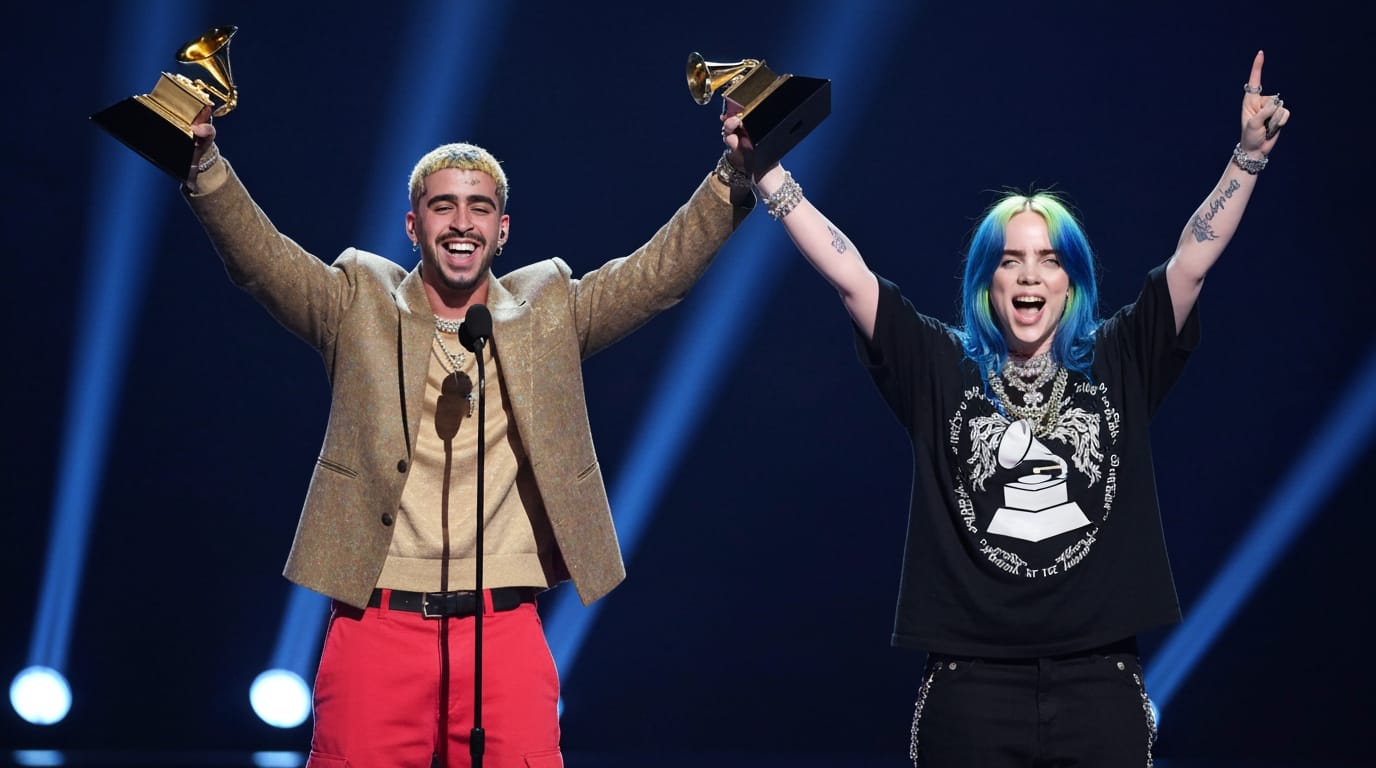
LOS ANGELES, CA – The 68th Annual Grammy Awards, typically a night dominated by musical accolades and star-studded performances, took an unexpected turn into political activism Sunday night, February 1, 2026, as several prominent artists, including winners Bad Bunny and Billie Eilish, used their acceptance speeches and red-carpet appearances to vociferously condemn U.S. Immigration and Customs Enforcement (ICE). Their impassioned remarks, which included direct calls for "ICE out" and sharp criticisms of the agency's practices, resonated through the Crypto.com Arena and ignited a broader conversation about the role of artists in challenging government policy. The evening signaled a potent convergence of music and social commentary, underscoring a growing trend of celebrities leveraging their global platforms to address pressing humanitarian issues.
A Stage for Dissent: Bad Bunny's Powerful Call for Humanity
Puerto Rican superstar Bad Bunny, born Benito Antonio Martínez Ocasio, set an early and definitive tone for the night's political undertones. Accepting the award for Best Música Urbana Album for his acclaimed work, "DeBÍ TiRAR MáS FOToS," the artist delivered a powerful message that transcended traditional thank-yous. With an audible cheer from the audience, Bad Bunny began his speech with a direct challenge: "Before I say thanks to God, I'm gonna say 'ICE out'."
He continued, articulating a fundamental appeal for human dignity that drew a standing ovation from the crowd. "We're not savage, we're not animals, we're not aliens, we're humans and we are Americans," he declared, countering common dehumanizing rhetoric often aimed at immigrants. Bad Bunny concluded his remarks with a plea for unity and love, stating, "The hate gets more powerful with more hate. The only thing that is more powerful than hate is love. So please, we need to be different if we fight we have to do it with love."
This outspoken stance follows a pattern of Bad Bunny's engagement with immigration issues. His Grammy night comments arrive just days before he is slated to headline the Super Bowl LX halftime show, an event that has already been subject to political friction. Reportedly, some Trump administration officials had previously suggested a potential ICE enforcement presence at the Super Bowl, a notion met with public disapproval and further politicizing the artist's upcoming performance. This also comes after Bad Bunny canceled the U.S. mainland portion of his 2025 world tour, citing fears that ICE agents might target his fans at concerts, demonstrating a long-standing concern for the safety and well-being of his immigrant fanbase.
Eilish's Unfiltered Message: "No One is Illegal on Stolen Land"
Grammy winner Billie Eilish also seized her moment in the spotlight to deliver an unequivocal denouncement of ICE. Upon accepting the prestigious Song of the Year award for her track "Wildflower," Eilish's acceptance speech included remarks that were partially censored during the live CBS broadcast. "No one is illegal on stolen land," Eilish stated, a powerful assertion that links immigration to historical injustices, including the displacement of indigenous peoples.
The singer, known for her candidness, then seemingly uttered "F**k ICE," a phrase that was bleeped from the telecast but widely reported by attendees and news outlets. Both Eilish and her brother and collaborator, Finneas O'Connell, visibly displayed their solidarity by wearing "ICE Out" pins on their attire throughout the evening, from the red carpet to the awards stage. Eilish also urged continued activism, stating, "I feel like we just need to keep fighting and speaking up and protesting. Our voices really do matter; people do matter." Her speech also encompassed broader societal concerns, highlighting issues such as "neighbors being kidnapped, peaceful protesters being assaulted and murdered, our civil rights being stripped," and challenges related to climate, healthcare, and food access. This echoed her previous calls for other celebrities to be more vocal on these issues.
A Growing Chorus: The "ICE Out" Movement at the Grammys
The outspokenness of Bad Bunny and Billie Eilish was not an isolated incident at this year's Grammys. A significant number of artists and attendees embraced the "ICE Out" message, transforming music's biggest night into an impromptu rally against current immigration policies. Throughout the evening, the "ICE Out" pin became a visible symbol of protest, worn by various celebrities including Justin and Hailey Bieber, Jason Isbell, Margo Price, Joni Mitchell, and Kehlani.
Kehlani, a multiple Grammy winner, was particularly direct, echoing Eilish with a shouted "F*ck ICE!" during her acceptance speech for Best R&B Performance. Similarly, Olivia Dean, who received the Best New Artist award, used her speech to honor her heritage, proclaiming, "I'm up here as the granddaughter of an immigrant... I am a product of bravery and I think that those people deserve to be celebrated." Songwriter of the Year Amy Allen also notably wore an "ICE Out" pin. This collective display of dissent reflects heightened tensions surrounding immigration enforcement in the United States, particularly since the Trump administration's return to office in January 2025, which has seen a significant ramping up of immigration enforcement efforts. Public opinion on ICE has shown a sharp partisan divide, with a majority of Americans disapproving of the agency by July 2025.
The Implications of Artistic Activism
The widespread and forceful political statements at the 68th Grammy Awards underscore a growing trend of artists using their global platforms to engage with social and political issues. This year's ceremony saw a powerful and unified message emerge from the music community, drawing attention to immigration policies and the practices of ICE. These moments, delivered on one of the world's most-watched stages, serve to amplify messages that might otherwise struggle for mainstream visibility.
The artists' criticisms come amidst a period where ICE has seen expanded funding and increased emphasis on detention and deportations. Policies such as the 287(g) program, which allows for cooperation between federal immigration authorities and local law enforcement, have also been a point of contention and have been expanded under the current administration. Such policies have been met with concerns from civil rights groups regarding their impact on communities and potential for accidental deportations. The statements from artists like Bad Bunny and Billie Eilish inject these complex policy discussions directly into popular culture, potentially influencing public perception and discourse.
Conclusion
The 2026 Grammy Awards will likely be remembered not only for its musical achievements but also for the potent political messages delivered from its stage. The collective voice of artists like Bad Bunny and Billie Eilish, amplified by their peers, transformed a celebratory event into a significant platform for social and political commentary. By directly challenging ICE and advocating for a more humane approach to immigration, these artists have highlighted the ongoing debate surrounding U.S. immigration policy and demonstrated the influential role cultural figures can play in public discourse. Their calls for "ICE out" and "no one is illegal on stolen land" have undoubtedly resonated far beyond the walls of the Crypto.com Arena, ensuring that the discussion on human rights and immigration remains at the forefront of the national consciousness.


