Greenland Elections Draw Global Attention Amidst Trump's Renewed Interest
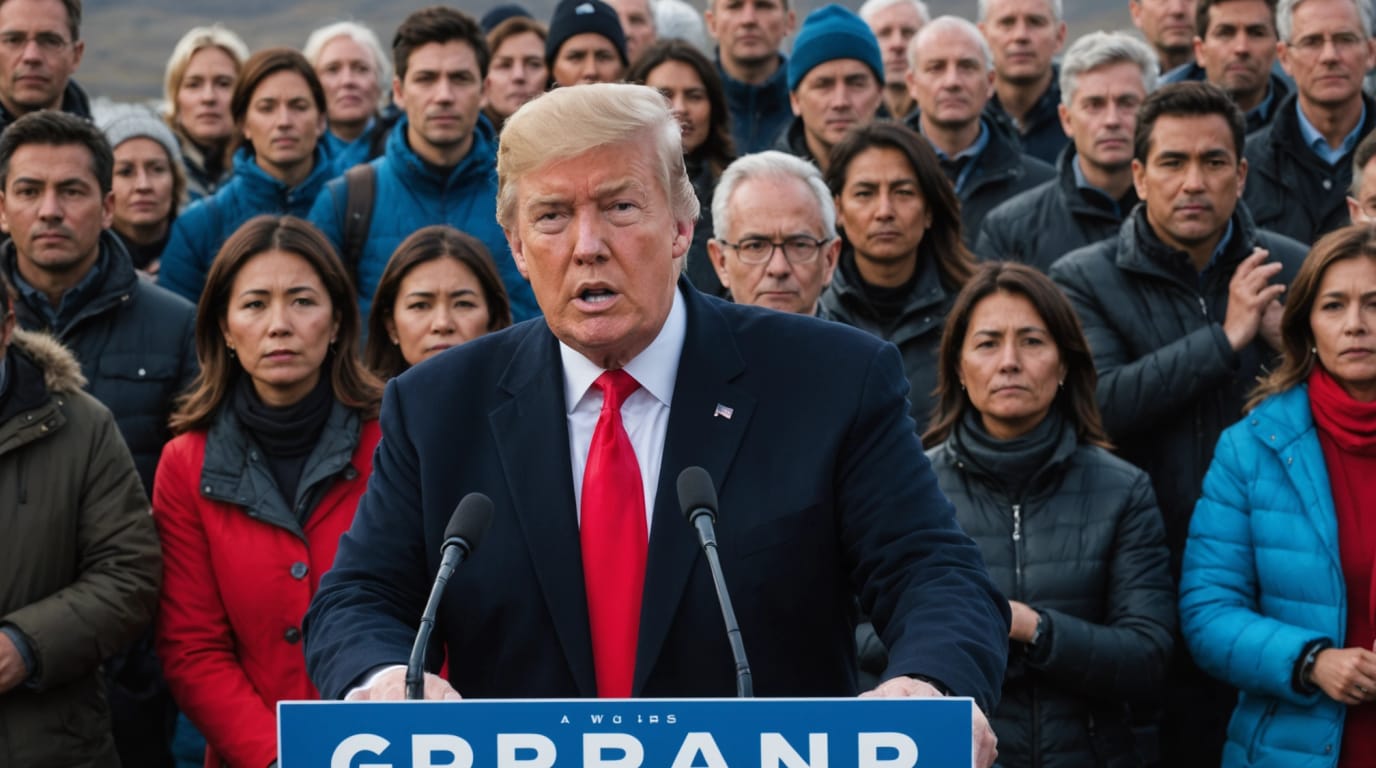
Nuuk, Greenland - Greenland's parliamentary elections on March 11 are being closely watched around the world, fueled by renewed interest from former U.S. President Donald Trump and a growing movement for independence from Denmark. The election will determine the future of the island's relationship with both countries, as well as its own path toward self-determination.
A Pivotal Moment for Greenland
The election for the 31-member Inatsisartut, Greenland's parliament, comes at a critical juncture for the autonomous territory. While domestic issues such as the economy, health care, and education are on voters' minds, the overarching question is whether Greenland should pursue closer ties with the United States, maintain its current relationship with Denmark, or strive for complete independence.
Greenland, with a population of approximately 57,000, has been moving towards greater autonomy since it was granted home rule in 1979. The 2009 Self-Government Act gave the Greenlandic government control over most domestic affairs, including natural resources. However, Denmark retains authority over foreign policy and defense.
Trump's Shadow Looms Large
Trump's expressed interest in acquiring Greenland has cast a long shadow over the election. In 2019, he floated the idea of purchasing the island, a suggestion that was swiftly rejected by both Greenlandic and Danish officials. Despite the rebuff, Trump has continued to express his desire to bring Greenland under U.S. control, citing its strategic and economic importance.
Trump's remarks have invigorated the independence movement in Greenland, with some viewing the election as a historic opportunity to break free from Danish influence. However, others caution against acting too quickly, fearing that Greenland could become worse off or expose itself to undue influence from the United States.
Independence: A Unifying Goal, Divergent Paths
While most Greenlanders favor eventual independence from Denmark, there are differing views on the timing and strategy. All political forces in parliament are now pro-independence, but they disagree on how and when it should be achieved.
The ruling Inuit Ataqatigiit (IA) party, led by Prime Minister Múte B. Egede, advocates for a gradual approach, emphasizing the need to build a solid economic foundation before declaring independence. The Social Democratic Party, Siumut, a partner in the ruling coalition, shares a similar view but faces internal divisions on the issue.
Other parties, such as Naleraq, are pushing for a more immediate move towards independence, with some calling for a referendum to be held within the next four years.
Economic Considerations
A key factor in Greenland's path to independence is its economic viability. The island's economy is heavily reliant on fishing, which accounts for over 95% of its exports. It also receives substantial annual subsidies from Denmark, which fund about half of its public budget.
To establish a self-sustaining economy, Greenland needs to diversify its industries. Potential areas for growth include tourism and mining, particularly the extraction of rare earth minerals. However, these industries also raise concerns about environmental sustainability and the potential impact on Greenland's pristine natural environment.
Geopolitical Implications
The outcome of the Greenland elections has significant geopolitical implications. The island's strategic location in the Arctic makes it a subject of interest for multiple global powers, including the United States, China, and the European Union.
The U.S. military maintains a key installation at Thule Air Base in Greenland, and the island's natural resources have attracted interest from both the U.S. and China. The EU is also seeking to strengthen its ties with Greenland, particularly in areas such as research and sustainable development.
A Choice Between Three Paths
As Greenlanders head to the polls, they face a choice between three potential paths: closer ties with the United States, continued dependence on Denmark, or full independence. While most Greenlanders do not want to become American, the possibility of increased U.S. influence in the region cannot be ruled out, particularly if pro-independence parties gain ground.
Denmark, for its part, is keen to maintain its relationship with Greenland and has accelerated efforts to mend fractured ties in recent years. However, the growing momentum for independence suggests that the status quo may not be sustainable in the long term.
Ultimately, the decision rests with the Greenlandic people, who will determine their own future on March 11. The world will be watching closely as they make their choice.


