Greenland Responds Frostily to US Vice President Vance's Visit Amidst Acquisition Talk
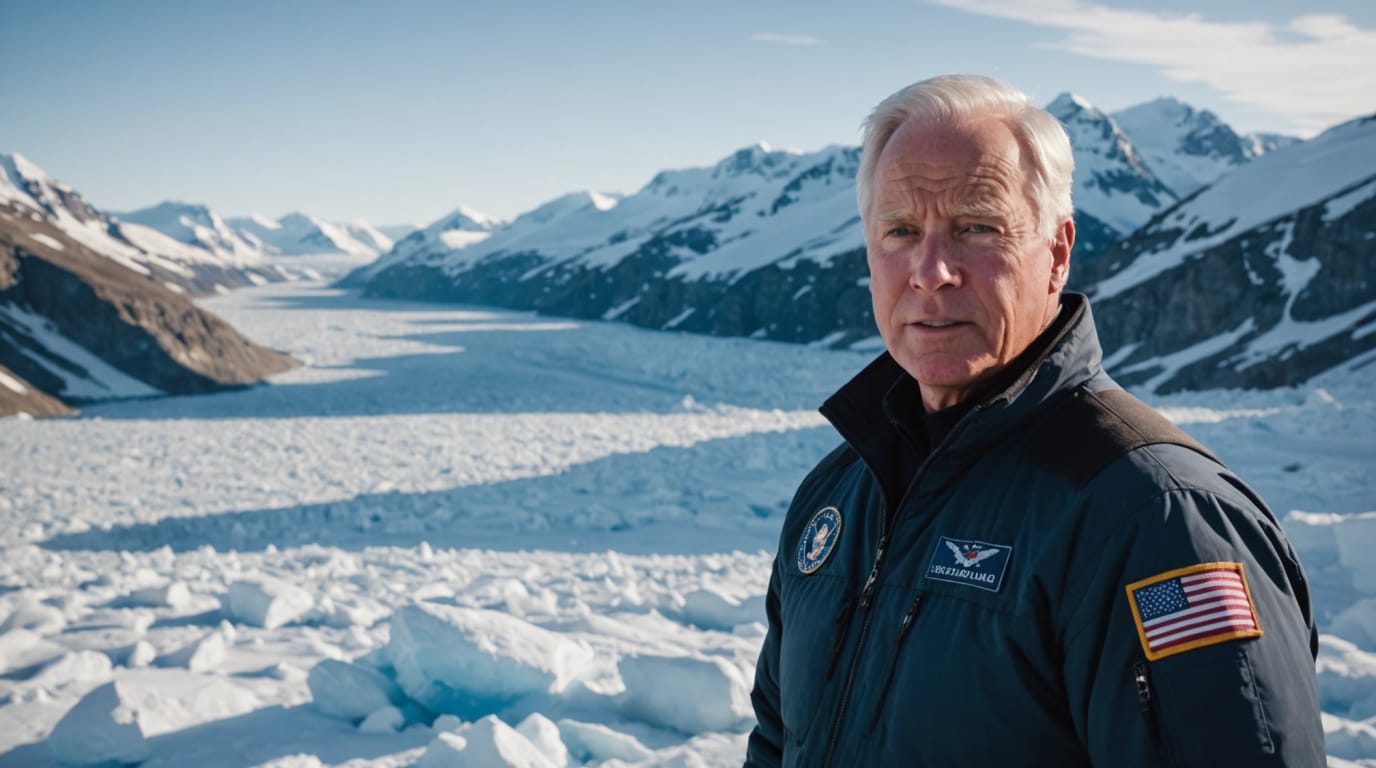
Greenland is bracing for a visit from U.S. Vice President J.D. Vance and his wife, Usha, this week, a trip that has been met with considerable apprehension and criticism from Greenlandic officials and citizens alike. The visit occurs against a backdrop of renewed interest from President Donald Trump in acquiring the autonomous Danish territory, a notion that has been consistently rejected by Greenland.
A Trip Shrouded in Controversy
The Vances' trip, initially planned to include visits to Greenlandic cultural sites and a dogsled race, has been scaled back following the outcry. The delegation will now only visit the Pituffik Space Base, a U.S. military installation in the northwest of Greenland. This change in itinerary has been welcomed by some Danish officials as a step towards de-escalation. Danish Foreign Minister Lars Lokke Rasmussen called the decision to limit the visit to the U.S. base "very positive."
However, the underlying tensions remain palpable. Greenland's outgoing Prime Minister, Mute Egede, previously described the planned visits by top Trump administration officials as "a provocation." Jens-Frederik Nielsen, chairman of Greenland's Demokraatit party, echoed this sentiment, characterizing the initial plans as showing a "lack of respect."
Fears of a "MAGA Event"
The depth of the unease is further illustrated by the decision of at least one Greenlandic business to decline involvement in the visit. Henrik Skydsbjerg, the manager of Tupilak Travel, told Newsweek that he declined a visit from Usha Vance over fears it would be "a MAGA event." He stated that while his company welcomes visitors from other countries, they did not want to be part of what they perceived as a political demonstration.
Trump's Persistent Interest in Acquisition
President Trump has repeatedly expressed his desire for the United States to acquire Greenland, citing security concerns. In recent statements, he asserted that the U.S. "needs" Greenland for international safety and security, claiming that taking control of the island was essential for U.S. national security. He also suggested that Greenlanders themselves were in favor of the idea, stating that "a lot of people from Greenland" would "like to see something happen."
These claims are sharply at odds with the prevailing sentiment in Greenland. An overwhelming majority of Greenlanders oppose Trump's plan. A poll conducted earlier this year indicated strong opposition to the idea of U.S. control.
Security Concerns and Strategic Importance
Vice President Vance has defended the visit by highlighting the importance of Greenland's security. He stated that other countries have threatened Greenland and its waterways, posing a threat to the United States and Canada. He said the purpose of his visit was to "check out what's going on with the security there of Greenland."
The Pituffik Space Base, which the Vances will visit, plays a crucial role in U.S. space operations and Arctic security. The base houses U.S. Space Force personnel and is strategically important for monitoring activities in the Arctic region.
Denmark's Position
Denmark, which maintains sovereignty over Greenland, has also expressed its displeasure with the U.S. approach. Prime Minister Mette Frederiksen accused the U.S. of exerting "unacceptable pressure" on Greenland and Denmark through the visit. She stated that the visit was "clearly not about what Greenland needs or wants."
Danish Defence Minister Troels Lund Poulsen welcomed the change in itinerary, calling the visit to the military base a "much wiser decision" than interfering in "what is happening in Greenlandic politics."
A History of U.S. Interest
The United States has a long history of interest in Greenland, dating back to the mid-19th century. In 1946, the U.S. offered to buy Greenland from Denmark for $100 million, but the offer was rejected. During the Cold War, Greenland's strategic location made it a vital asset for U.S. defense.
Trump's renewed interest in acquiring Greenland in 2019 was met with widespread ridicule and condemnation. However, his continued pursuit of the idea underscores the enduring strategic importance of the island.
Implications for the Arctic
The controversy surrounding the Vance visit and Trump's acquisition ambitions highlights the growing geopolitical importance of the Arctic region. As climate change melts Arctic ice, new shipping routes and resource extraction opportunities are opening up, attracting the attention of major powers, including the United States, Russia, and China.
The U.S. approach to Greenland is likely to have implications for its relationships with other Arctic nations and for the future of the region. The perception of "American aggression" and a lack of respect for Greenlandic autonomy could undermine U.S. efforts to promote cooperation and stability in the Arctic.
Conclusion
The frosty response to Vice President Vance's Greenland trip reflects deep-seated concerns about U.S. intentions and a desire to maintain Greenland's autonomy. While the visit has been scaled back in response to the criticism, the underlying tensions remain unresolved. The future of Greenland and its relationship with both the United States and Denmark will likely continue to be a subject of intense debate and scrutiny. The situation underscores the delicate balance between security concerns, economic interests, and the rights of indigenous populations in the rapidly changing Arctic region.


