Growing Calls for Accountability as Ghana Grapples with Military Misconduct
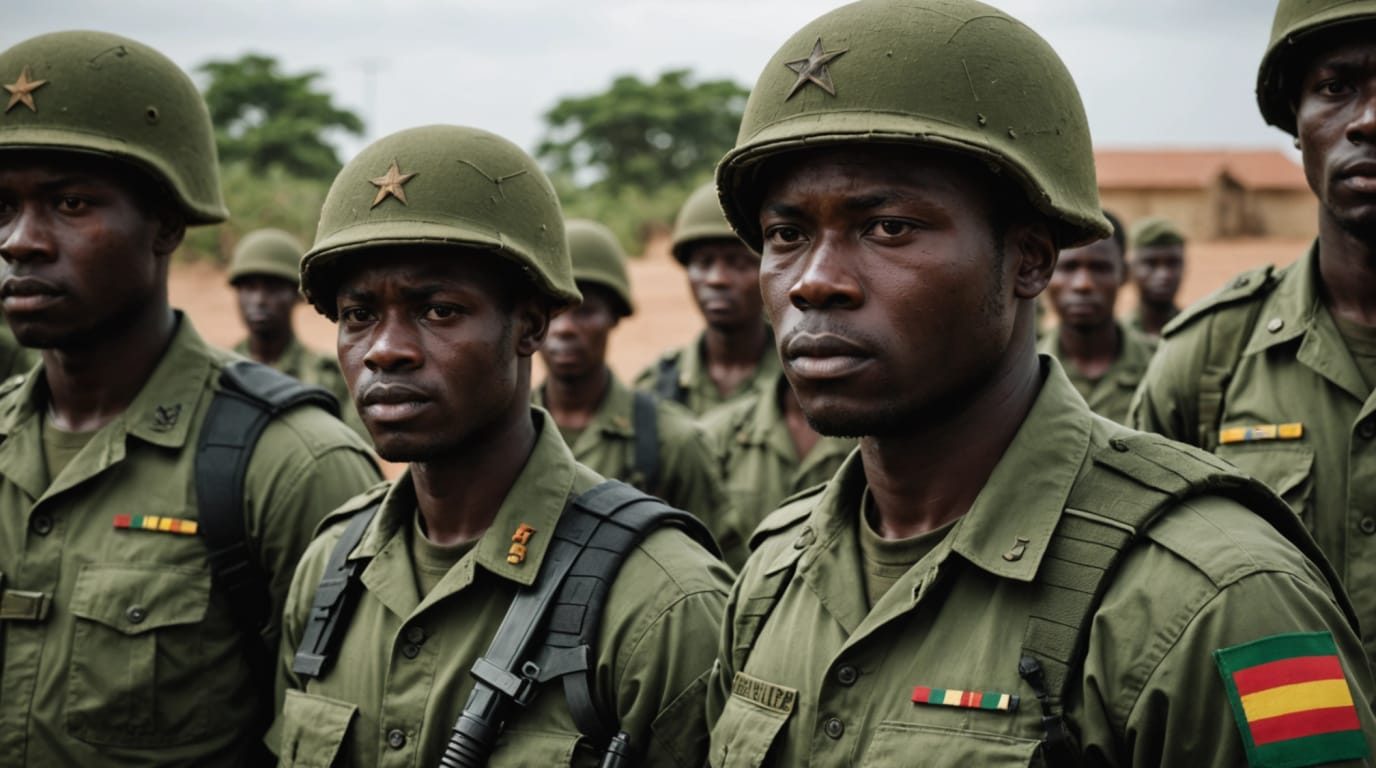
Recent incidents involving members of the Ghana Armed Forces (GAF) have ignited a nationwide debate, with growing calls for stricter disciplinary measures and increased accountability within the military ranks. Concerns over alleged misconduct, ranging from excessive force to corruption, are prompting demands for comprehensive reforms to ensure the military upholds its duty to protect and serve the citizenry with integrity.
Obuasi Shooting Incident Fuels Public Outcry
The shooting incident in Obuasi, Ashanti Region, in January 2025, significantly amplified public scrutiny of the military. Reports indicate that military personnel, responding to a breach at the Anglo Gold Ashanti (AGA) mine, fatally shot eight individuals identified as illegal miners. While the military stated that the miners were armed and opened fire first, critics argue that the use of lethal force was disproportionate, regardless of whether the individuals were engaged in illegal mining activities.
Malik Adama, a member of the National Communications team for the ruling National Democratic Congress, voiced strong concerns, stating that the military acted inappropriately, even if the victims were illegal miners. He emphasized that the military's primary role is to protect civilians, not harm them, and called for a thorough investigation to determine the facts. Adama also criticized what he sees as inadequate training for military personnel, suggesting that the current three-month program is insufficient to prepare them for handling high-pressure situations professionally.
President Mahama Emphasizes Ethical Conduct
In response to rising concerns, President John Dramani Mahama has publicly addressed the need for heightened ethical standards within the GAF. During the swearing-in ceremony of the Armed Forces Council, Mahama stressed that corruption, misconduct, and abuse of power must be eradicated from the military. He asserted that the strength of the military lies not in its weaponry or size but in the ethical leadership, discipline, and professionalism of its personnel.
Mahama tasked the newly constituted Armed Forces Council to prioritize discipline, integrity, and ethical leadership across all ranks. He emphasized the importance of maintaining the highest standards of ethical conduct, transparency, and accountability. The President also pledged the government's commitment to investing in capacity building, modern military equipment and technology, infrastructure development, and improved welfare for military personnel and their families.
Armed Forces Council Pledges Reforms
Vice President Naana Jane Opoku-Agyemang, chairperson of the Armed Forces Council, has assured the public that the council will embark on initiatives to transform the military and ensure personnel conduct their operations in a more humane manner. The council recognizes the need to address public concerns and restore confidence in the military's commitment to protecting citizens' rights.
The Armed Forces Council, established under Article 211 of the 1992 Constitution, is responsible for providing strategic leadership and oversight to ensure the GAF remains effective, modern, and disciplined. The council's focus will include strengthening partnerships with ECOWAS, the African Union, and international allies to address global security threats, as well as embracing innovation and data-driven security solutions in developing the nation's defense strategy.
Historical Context and Disciplinary Actions
Allegations of military misconduct are not new in Ghana. In July 2024, the Ghana Armed Forces confirmed the dismissal of Richard Jakpa, who was involved in an ambulance trial, due to persistent offenses and acts of misconduct. According to the Military High Command, Jakpa's service was marked by indiscipline and fraudulent behavior, including failing to return to his unit after attending a course and being indebted to a Lebanese businessman.
These past incidents highlight the importance of consistent enforcement of disciplinary measures and the need for a robust system to address misconduct within the military. While the GAF has taken action in certain cases, critics argue that a more comprehensive approach is needed to prevent future incidents and ensure accountability at all levels.
Balancing Security with Citizen Rights
The current debate underscores the delicate balance between maintaining national security and protecting the rights of citizens. While the military plays a crucial role in safeguarding the country from internal and external threats, it must operate within the bounds of the law and respect the fundamental rights of all individuals.
The government, the Armed Forces Council, and the military leadership face the challenge of implementing reforms that enhance accountability, promote ethical conduct, and ensure that military personnel are adequately trained to handle complex situations with professionalism and restraint. The outcome of this ongoing dialogue will shape the future of civil-military relations in Ghana and determine the extent to which the military can maintain public trust and confidence.
The growing calls for accountability within the Ghana Armed Forces reflect a broader societal demand for transparency, good governance, and respect for human rights. As Ghana continues to strengthen its democratic institutions, ensuring that the military operates with integrity and upholds its constitutional mandate is essential for maintaining peace, stability, and the rule of law.


