Guinea at a Crossroads: From Coup to Contentious Ballot
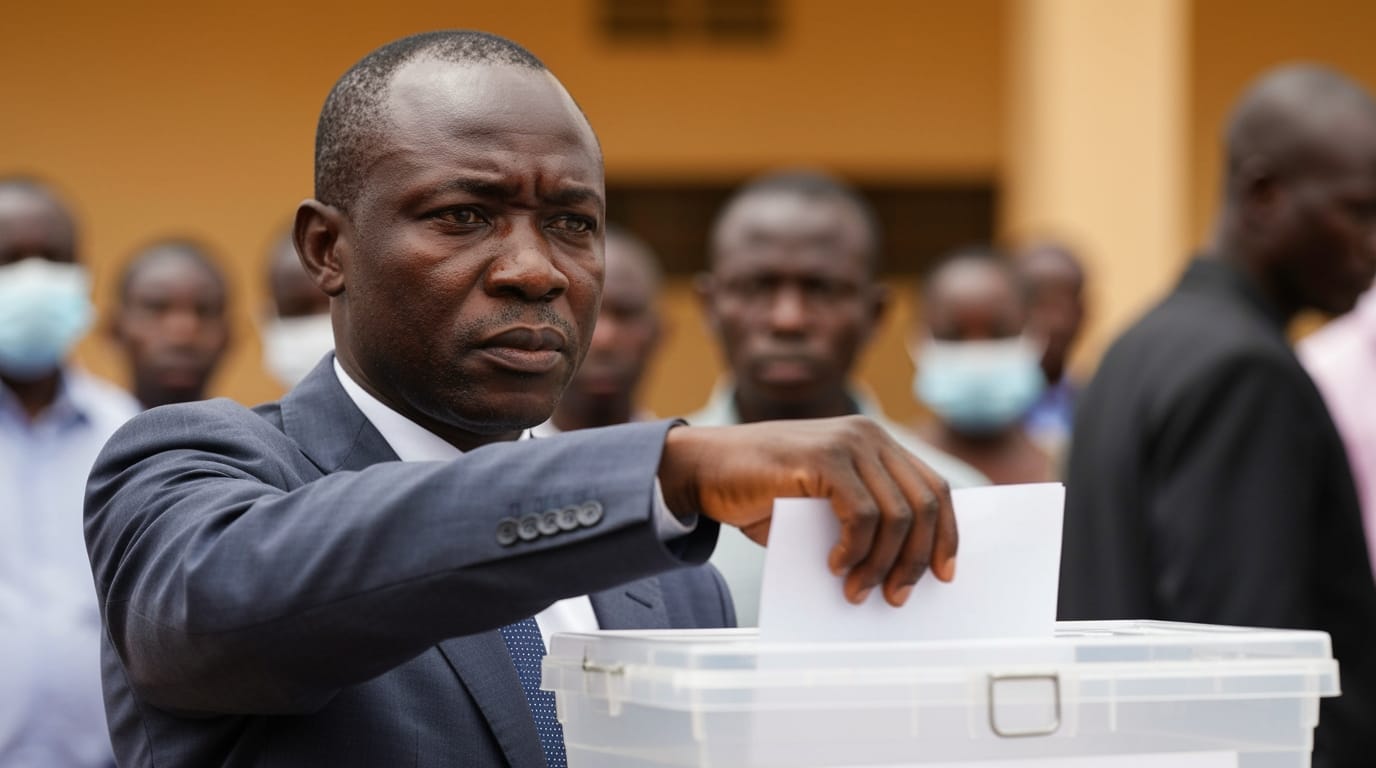
CONAKRY, Guinea — More than four years after a military coup toppled the civilian government, Guinea is poised to hold a presidential election on December 28, 2025, a vote intended to mark a full return to constitutional rule. However, the path to the ballot box has been fraught with delays, constitutional overhauls, and the consolidation of power by the very military leader who pledged to restore democracy, raising significant questions about the election's transparency and ultimate impact on the nation's fragile democratic future. The upcoming election culminates a tumultuous period that began with the dramatic ousting of President Alpha Condé and has been characterized by a complex interplay of domestic political maneuvering and international pressure.
The Coup That Ushered in a New Era
The political landscape of Guinea was dramatically reshaped on September 5, 2021, when an elite unit of the Guinean armed forces, led by then-Lieutenant Colonel Mamady Doumbouya, seized power in a swift and largely bloodless coup. Gunfire erupted near the presidential palace in Conakry, culminating in the detention of 83-year-old President Alpha Condé. Condé, Guinea's first democratically elected leader, had sparked widespread protests and international concern after pushing through a controversial constitutional referendum in 2020 that allowed him to seek a third term, a move critics decried as an autocratic power grab. Doumbouya, appearing on state television draped in the national flag, announced the dissolution of the constitution and government, citing rampant corruption, economic mismanagement, and a disregard for democratic principles under Condé's rule. His actions were met with initial public relief and even celebration by many Guineans disillusioned with Condé's increasingly authoritarian tendencies. However, the international community, including the Economic Community of West African States (ECOWAS), the African Union (AU), and the United Nations, swiftly condemned the coup and suspended Guinea from their respective bodies, demanding an immediate return to constitutional order. Doumbouya was sworn in as interim president on October 1, 2021, heading the National Committee of Reconciliation and Development (CNRD).
A Protracted Transition and Mounting Pressure
The military junta initially promised a swift transition back to civilian rule, pledging to amend the constitution, combat corruption, and reform the economy. However, the promised timeline for restoring democratic governance proved to be a moving target. While Doumbouya initially stated he would not contest future elections, this pledge has since been effectively reversed. Regional bloc ECOWAS initially pressed for a six-month transition, a deadline many Guineans found unrealistic given the complex reforms required. In May 2022, Doumbouya proposed a 39-month transition period. Following intense negotiations and the threat of sanctions, an agreement was reached with ECOWAS in October 2022, outlining a 24-month transition period that aimed for elections by the end of 2024. This deadline, however, was also missed. Throughout this extended period, the junta's rule has been marked by a tightening grip on power, including the dissolution of the transitional government in February 2024, repression of protests, and allegations of arbitrary arrests and detentions of dissidents and journalists. Civil society organizations and opposition groups have reported dozens of deaths in clashes with security forces between September 2021 and December 2024, highlighting a concerning erosion of civil liberties.
The Constitutional Reshaping of the Electoral Landscape
A pivotal development in Guinea's transition occurred in September 2025, with the holding of a constitutional referendum. The new constitution, reportedly approved with an overwhelming 89% of votes on a claimed turnout of 86-92%, replaced the transitional charter that had previously barred members of the military junta, including Doumbouya, from running for president. This constitutional rewrite effectively cleared the path for General Doumbouya to seek the presidency, a move that has been met with deep skepticism and criticism from opposition leaders and civil society. Many view the referendum as a strategic maneuver to legitimize Doumbouya's continued rule and consolidate his power. The new charter also introduced other significant institutional reforms, including extending presidential terms from five to seven years, renewable once. Doubts persist regarding the veracity of the referendum's high turnout figures, with opposition leaders contending that their observations indicated low voter engagement.
Contesting the Presidency: A Field Without Key Players
With the constitutional changes in place, the stage is now set for the presidential election on December 28, 2025. Mamady Doumbouya, who was promoted to the rank of General in 2024, is officially among the nine approved candidates, signaling his firm intention to transition from coup leader to elected head of state. However, the electoral field has been significantly altered, effectively sidelining key opposition figures. Both former President Alpha Condé and prominent opposition leader Cellou Dalein Diallo, for instance, are ineligible to run due to newly imposed age limits and residency requirements embedded in the new constitution. Several political parties remain suspended, further narrowing the scope of political contestation. This exclusion of established political heavyweights has fueled concerns among critics that the election process is designed to ensure a victory for Doumbouya, rather than fostering genuine democratic competition. Regional bodies, including ECOWAS, have dispatched election observation missions to monitor the upcoming vote, underscoring the international community's keen interest in the fairness and credibility of the process. Guinea's vast mineral wealth, including the world's largest bauxite reserves and significant iron ore deposits, means that political stability and governance decisions have considerable international economic implications.
A Fragile Future for Guinean Democracy
As Guinea prepares for its crucial December 28 election, the nation stands at a critical juncture. The transition from military rule to a civilian-led government, initially welcomed with cautious optimism, has been characterized by delays, constitutional changes enabling the coup leader's candidacy, and the marginalization of political opposition. While the holding of an election offers a semblance of democratic progress, the circumstances surrounding its organization and the exclusion of key political voices raise fundamental questions about its legitimacy and the true depth of Guinea's commitment to democratic principles. The outcome will not only determine Guinea's leadership for the next seven years but also serve as a significant indicator of the long-term prospects for democratic stability in a region increasingly grappling with military interventions. The eyes of the international community will be closely watching, hoping that the ballot box genuinely represents the will of the Guinean people and leads to a future of inclusive governance rather than further entrenchment of power.


