Haiti Plunges Deeper into Crisis as Rights Group Reports At Least 70 Killed in Latest Massacre
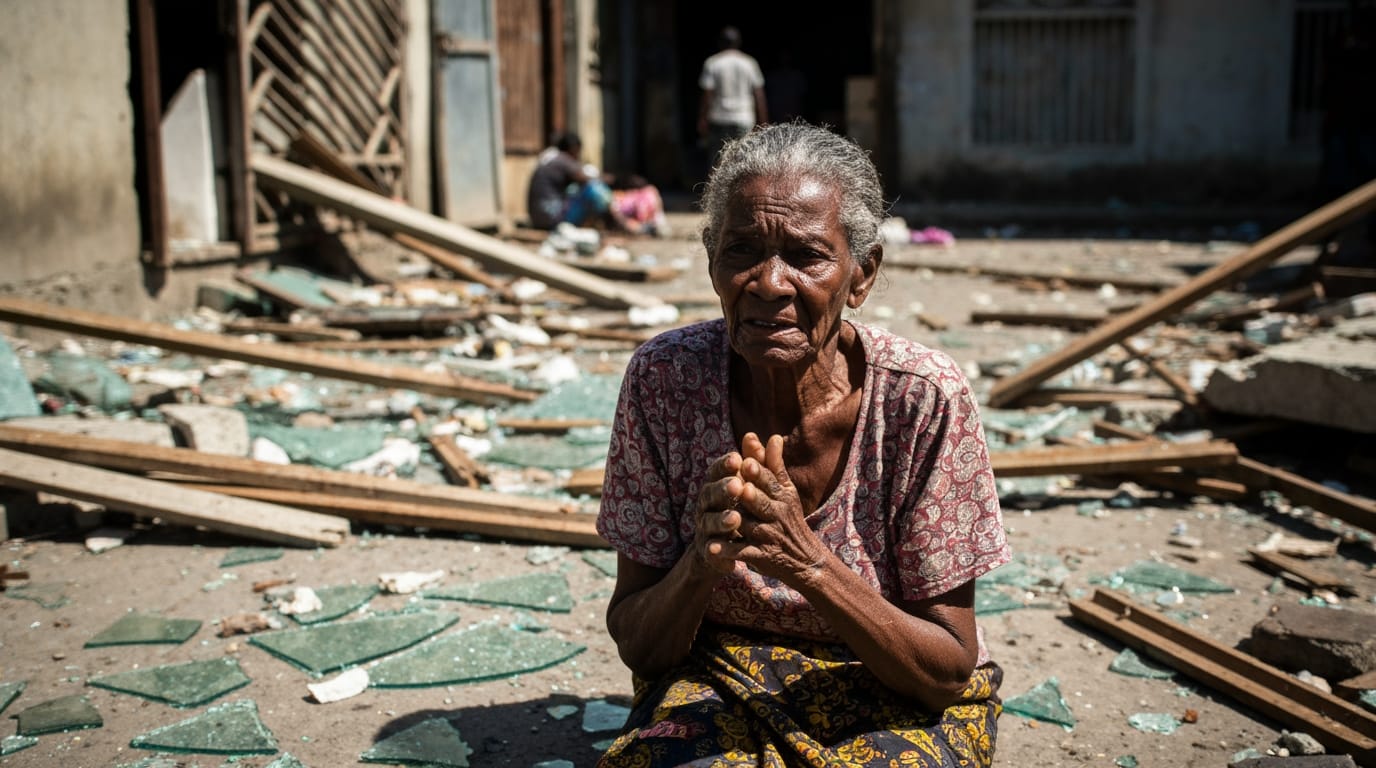
PORT-AU-PRINCE, Haiti – A human rights organization in Haiti has reported that at least 70 people were killed and 30 injured in a brutal gang attack in the Artibonite region over the weekend, a toll significantly higher than initial government estimates. The massacre, attributed to the notorious Gran Grif gang, underscores the rapidly deteriorating security situation across the nation, as organized criminal groups expand their reign of terror beyond the capital. Nearly 6,000 residents have been forced to flee their homes in the wake of the violence, adding to Haiti's already dire humanitarian crisis.
The Attack in Jean-Denis
The assault unfolded in the Jean-Denis area of Haiti's Artibonite department, a critical agricultural hub, at approximately 3 a.m. on Sunday. Local civil protection authorities confirmed the attack, which saw armed members of the Gran Grif gang unleash a wave of violence. Initial reports from police indicated 16 fatalities and 10 injuries, while preliminary civil protection figures suggested 17 deaths and 19 wounded. However, the Collective Defending Human Rights, also known as Défenseurs Plus, presented a far grimmer assessment, detailing at least 70 deaths and 30 injuries, describing the event as a "massacre." The group vehemently criticized Haitian authorities, stating that "the lack of a security response and the abandonment of Artibonite to armed groups demonstrate a complete abdication of responsibility by the authorities." The United Nations Secretary-General's spokesperson strongly condemned the attack on Monday, emphasizing the gravity of Haiti's security challenges and calling for a thorough investigation.
Artibonite: A New Frontline in Gang Warfare
The Artibonite department, often referred to as Haiti's breadbasket due to its agricultural output, has increasingly become a focal point of intense gang conflict. This recent attack follows a pattern of escalating violence spreading beyond Port-au-Prince, the nation's capital. Earlier United Nations reports indicated that more than 2,000 people were recently displaced by armed raids in nearby Verrettes, prompting further evacuations in Petite-Riviere even before this latest assault. The Gran Grif gang, identified as the perpetrators of the Jean-Denis massacre, is among several powerful criminal organizations operating with impunity in the country. In March, the United States offered a reward of up to $3 million for information regarding the financial activities of the Gran Grif and Viv Ansanm groups, designating both as terrorist organizations, reflecting international concern over their destabilizing influence.
Haiti's Deepening Spiral of Violence and Displacement
The massacre in Artibonite is the latest in a series of devastating episodes that highlight Haiti's profound and multi-faceted crisis. The nation has been grappling with relentless gang warfare, political instability, and widespread humanitarian challenges for years. In the broader context, Haiti has seen over 5,300 people killed since January 2024 and more than 12,000 since the beginning of 2022 due to gang-related violence. These figures contribute to an alarming displacement crisis, with over 700,000 people internally displaced across the country.
Past instances of extreme violence include a December 2024 massacre in Port-au-Prince's Cité Soleil, where over 207 people, many elderly, were executed by the Wharf Jérémie gang, reportedly on the orders of its leader, Monel "Mikano" Felix, who accused them of witchcraft after his child fell ill. Another significant event in October 2024 saw over 70 people killed in Pont-Sondé, also in the Artibonite region, as gangs fought for territorial control. Furthermore, a UN report from February 2023 described Cité Soleil as a "living nightmare," documenting 263 murders, numerous gang rapes, and sniper attacks between July and December 2022, with 95 people killed on a single day in July 2022.
Powerful gang federations, such as the G9 Family and Allies, led by former police officer Jimmy "Barbecue" Chérizier, control vast swathes of Port-au-Prince. Chérizier himself has been linked to previous massacres in areas like La Saline, Bel-Air, and Grand Ravine. His influence was notably demonstrated in March 2024 when a gang-orchestrated jailbreak led to the escape of thousands of prisoners and the eventual resignation of then-Prime Minister Ariel Henry.
A Nation in Peril
The relentless cycle of violence, displacement, and political upheaval has pushed Haiti to the brink. The latest massacre in the Artibonite region serves as a stark reminder of the humanitarian catastrophe unfolding, far from the international spotlight. With gangs wielding significant power, controlling vital supply routes, and inflicting terror upon civilian populations, the fabric of Haitian society continues to fray. The international community, while condemning the violence and imposing sanctions, faces persistent challenges in providing effective aid and establishing a pathway to stability. Without a robust and coordinated response to dismantle criminal networks and restore state authority, the suffering of the Haitian people is likely to deepen, leaving a nation in urgent need of protection and support.


