Hamas Threatens to Kill Hostages if War Resumes Amidst Ceasefire Standoff
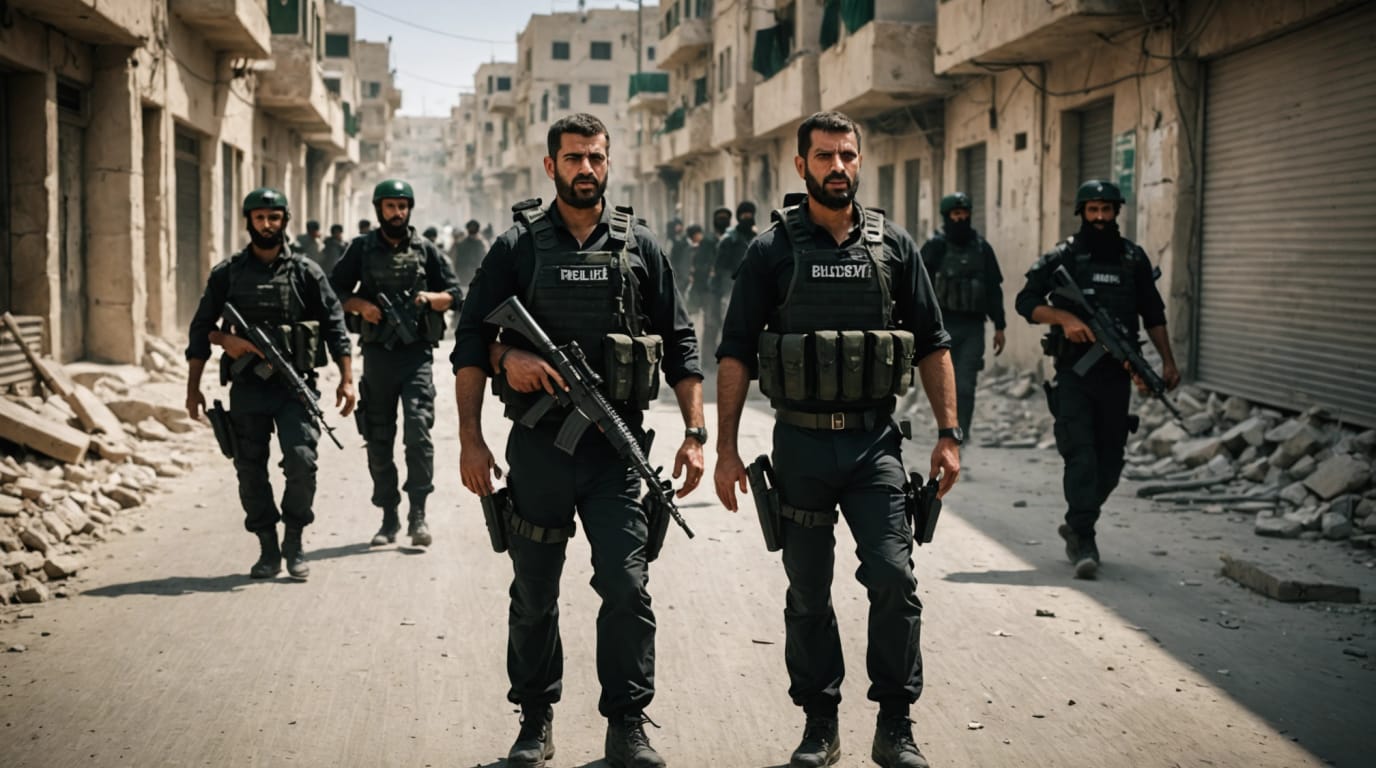
Hamas has issued a stark warning that any resumption of Israeli military action in Gaza would likely lead to the deaths of some of the remaining hostages held by the group. The threat comes as negotiations for a lasting ceasefire and the release of remaining captives remain stalled, with both sides accusing the other of undermining the existing agreements. The already fragile situation is further complicated by a proposed new ceasefire plan and increasing pressure from the international community.
Ceasefire Agreement in Limbo
A ceasefire agreement reached in January, after extensive negotiations mediated by the United States, Egypt, and Qatar, laid out a three-phase plan for the release of all hostages taken by Hamas during the October 7, 2023, attack and a complete end to the conflict. During the initial six-week phase, Hamas released 25 living Israeli hostages and the bodies of eight others in exchange for the release of nearly 2,000 Palestinian prisoners. Israeli forces also withdrew from much of Gaza, allowing a surge of much-needed humanitarian aid into the region. While both sides accused each other of minor violations, the initial phase was largely upheld.
However, the second phase of the agreement, intended to address the release of the remaining hostages and establish a lasting truce, has yet to be implemented. Hamas maintains that it will only release the remaining hostages in exchange for a permanent ceasefire and a full Israeli withdrawal from Gaza, conditions that Israel has so far resisted.
New Ceasefire Proposal
Amidst the stalled negotiations, Israel has introduced what it describes as a new U.S. ceasefire plan, purportedly different from the January agreement. Prime Minister Benjamin Netanyahu has referred to it as the "Witkoff proposal," attributing it to U.S. President Donald Trump's Mideast envoy, Steve Witkoff, though the White House has not confirmed its origin, stating only that it supports whatever action Israel undertakes.
The new plan would require Hamas to release half of its remaining hostages in exchange for an extension of the ceasefire and a promise to negotiate a lasting truce. Notably, the proposal makes no mention of releasing additional Palestinian prisoners, a key element of the initial agreement. Hamas has denounced the new plan as an attempt by Israel to sabotage the existing agreement, which stipulated negotiations for the release of remaining hostages in exchange for more Palestinian prisoners, a full Israeli withdrawal from Gaza, and a lasting ceasefire.
Hamas's Warning and Stance
In response to the new proposal and perceived Israeli intransigence, Hamas has issued a firm warning. Abu Ubaida, a spokesman for Hamas's armed wing, stated in a televised address that Israeli threats to resume fighting or tighten the Gaza blockade would not secure the release of hostages. He added that any Israeli military escalation against Palestinians would likely result in the deaths of some hostages, emphasizing the group's readiness for all possibilities. Hamas maintains that the "best path to free the remaining Israeli hostages" is through negotiations based on the original January agreement.
International Pressure and Involvement
The United States has been actively engaged in efforts to mediate a resolution, with reports confirming unprecedented direct talks between U.S. officials and Hamas. President Trump has also weighed in, issuing what he called a "last warning" to Hamas, demanding the immediate release of all hostages and the return of the bodies of those who have died.
Other international actors, including Egypt and Arab leaders, are also working to develop plans for the post-war Gaza Strip. These efforts aim to counter proposals that would involve the relocation of Gaza's population, with the goal of transforming the area into a tourist destination.
Humanitarian Crisis Deepens
The ongoing uncertainty and stalled negotiations have exacerbated the already dire humanitarian situation in Gaza. Israel has halted the delivery of food, fuel, medicine, and other essential supplies to the region's approximately 2 million residents, citing the need to pressure Hamas into accepting the new ceasefire proposal. This blockade has drawn condemnation from humanitarian organizations and raised concerns about the well-being of the civilian population.
Hostage Situation
Hamas is believed to still be holding 24 living hostages from the October 7, 2023, attack, including Israeli-American Edan Alexander. The group is also holding the bodies of 34 individuals who were either killed in the initial attack or died in captivity, as well as the remains of a soldier killed in the 2014 war. The fate of these hostages remains a central point of contention in the ongoing conflict.
Future Outlook
The situation remains highly volatile, with the threat of renewed violence looming large. The conflicting ceasefire proposals, coupled with the deep distrust between the parties, have created a complex and challenging environment for negotiations. The international community continues to urge both sides to de-escalate tensions and prioritize the release of hostages and the establishment of a lasting peace. However, the path forward remains uncertain, and the potential for further escalation remains a significant concern.


