Hawaii Braces for Historic Hurricane Lala as State of Emergency Declared
HONOLULU, Hawaii – The Hawaiian Islands are under a state of emergency as Tropical Storm Lala intensifies and is forecast to make a rare direct impact as a hurricane this weekend, prompting widespread preparations and concerns across the archipelago. Governor Josh Green declared the emergency Friday, August 15, 2026, mobilizing state resources and urging residents and visitors alike to finalize preparations for life-threatening conditions, including torrential rainfall, destructive winds, dangerous surf, and significant storm surge. The approaching storm marks a potentially historic weather event for the state, which has largely been spared direct hurricane landfalls in recent decades.
The Imminent Threat: Hurricane Lala Approaches
Tropical Storm Lala is currently strengthening and is anticipated to achieve hurricane status, likely a Category 1, as it nears the Big Island (Hawaii County) by early Saturday. Forecasters project the storm to bring between 8 to 12 inches of rain to Maui and the Big Island, with isolated areas on the Big Island potentially receiving up to 25 inches. These extreme rainfall totals elevate the risk of severe flash flooding and mudslides, particularly in areas with steep terrain. Beyond inland flooding, coastal communities face a storm surge of 1 to 3 feet, coupled with dangerous surf and rip currents that could sweep over beaches and roadways. The National Hurricane Center's projections indicate that while the Big Island is under a Hurricane Warning, Maui, Lanai, Molokai, Oahu, and Kauai counties are under Tropical Storm Warnings or Watches, signifying that significant impacts are expected across the entire state through the weekend.
Hawaii's Proactive Response and Community Preparedness
In anticipation of Lala's arrival, state and county agencies have rapidly deployed personnel and resources. Governor Green's emergency proclamation ensures that necessary support is available for public health, safety, and emergency response efforts. The Hawaii National Guard has activated Task Force Hawaii, positioning approximately 160 personnel with high-wheeled vehicles across each county to support potential response operations.
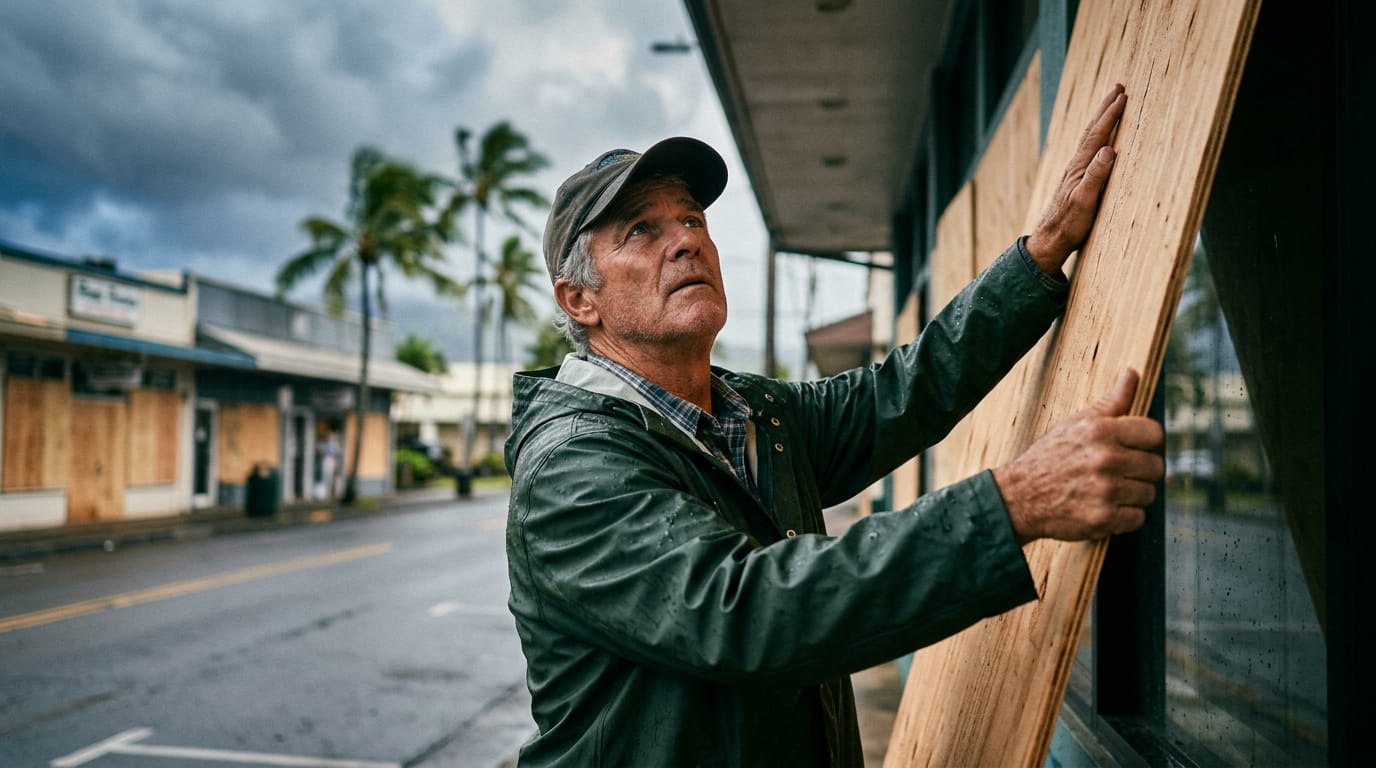
Authorities are strongly advising residents to undertake comprehensive preparedness measures. This includes securing homes by protecting windows and bringing in outdoor items, preparing for potential power outages, and clearing gutters and drains to mitigate flooding risks. Emergency management officials recommend having a "Go Bag" stocked with at least 14 days' worth of essential supplies, including water, non-perishable food, a first-aid kit, and important documents. Educational institutions, including the University of Hawaii at Hilo and Hawaii Community College, have announced closures, and several parks and facilities statewide have been shut down. Flight cancellations have also begun, particularly for airports on Hawaii Island and Maui, with travelers urged to confirm flight statuses.
A History of Resilience: Learning from Past Storms
Hawaii's geographical location has historically offered some protection from direct hurricane landfalls, thanks to prevailing high-pressure systems and cooler ocean waters that tend to weaken or divert storms. However, this rare protection does not negate the significant impact even distant storms can have, and the current forecast for Lala underscores a growing concern about changing weather patterns.
The last major hurricane to make a direct impact on the Hawaiian Islands was Hurricane Iniki in 1992, which struck Kauai as a powerful Category 4 storm. Iniki caused an estimated $7.4 billion in damages (2008 USD), destroyed 1,400 homes, and left widespread destruction, with some areas experiencing power outages for months. The long-term economic repercussions were substantial, with Kauai's economy taking 7-8 years to return to pre-Iniki levels and the island experiencing a permanent decline in population and labor force. The lessons from Iniki led to significant revisions in building codes, requiring stronger construction standards for hurricane resilience, particularly for homes built after 1995.
Broader Implications: Climate Change and Future Risks
The current threat posed by Tropical Storm Lala comes during an active El Niño year, a phenomenon known to increase Pacific hurricane activity. While a natural climate cycle, the increasing frequency of potent storms and Hawaii's unique vulnerabilities raise broader concerns about climate change. Studies suggest that environmental conditions could become more favorable for tropical cyclones around the Hawaiian Islands in the coming decades due to rising ocean temperatures and shifts in storm tracks.
Hawaii's critical infrastructure, including major ports, military facilities, energy infrastructure, and the tourism industry—the lifeblood of the islands—are highly susceptible to the combined threats of sea-level rise and storm surge. Areas such as Honolulu and Waikiki, much of which were built on drained marshlands, are particularly vulnerable to inundation. A direct hit from a hurricane, coupled with elevated sea levels, could lead to an estimated $40 billion in losses to infrastructure and the economy. This highlights the long-term economic and social challenges Hawaii faces in adapting to a changing climate, even as it prepares for immediate threats.
Community Vigilance: Heeding the Warnings
As Lala draws closer, the emphasis remains on community safety and collective action. Governor Green's message echoes throughout the islands: "Please continue to be vigilant and look out for one another." Residents are encouraged to stay updated through official channels, follow instructions from emergency personnel, and check on their 'ohana (family) and neighbors. While the beauty of Hawaii often masks its vulnerability to natural hazards, the approaching hurricane serves as a stark reminder of the power of nature and the critical importance of preparedness and community solidarity in the face of adversity. The coming days will test the islands' resilience, but the spirit of aloha and readiness is evident as Hawaii braces for what could be a historic weather event.