Hawaii Grapples with Historic Flooding as More Rain Looms
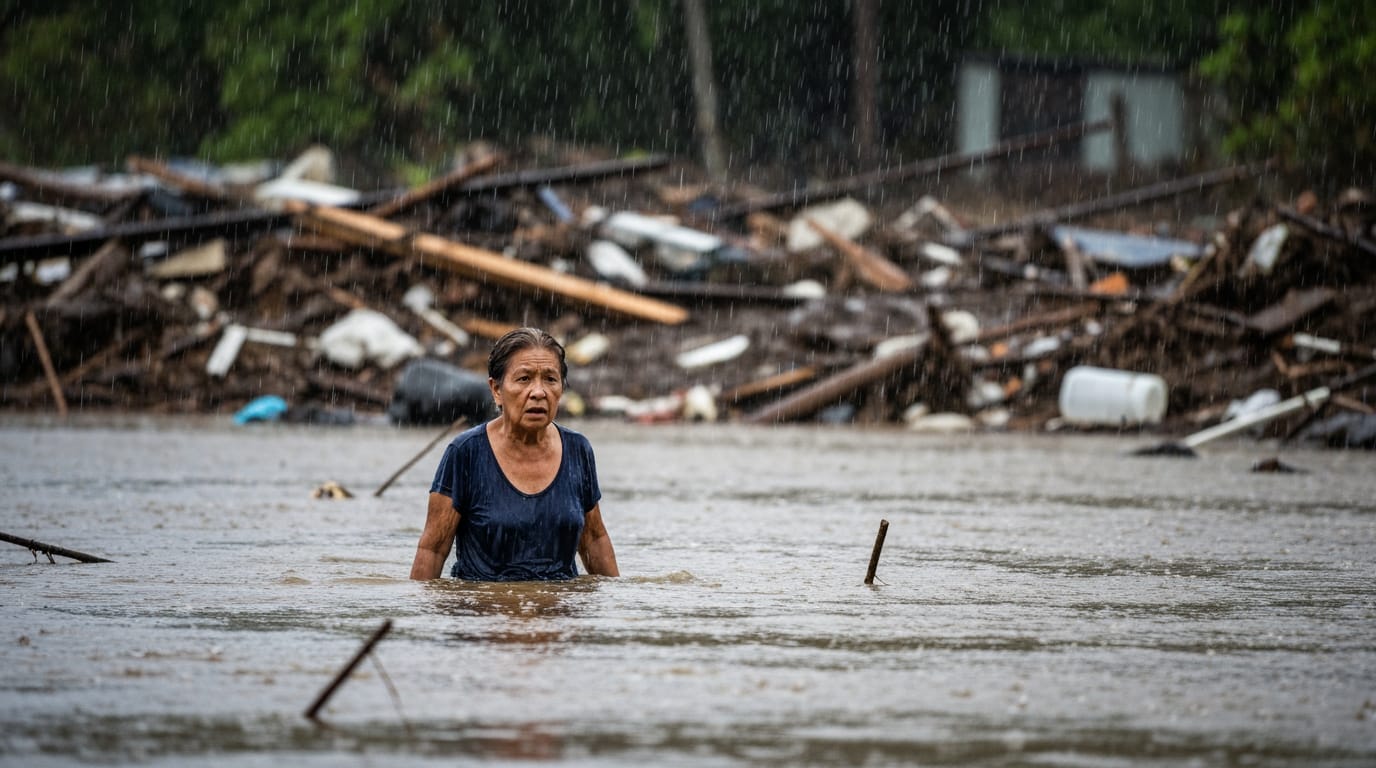
HONOLULU – Hawaii is enduring its most severe flooding in two decades this March, a relentless deluge that has left a trail of destruction across the island chain and prompted widespread emergency measures. Back-to-back Kona low storm systems have saturated the islands, causing record-shattering rainfall, widespread property damage, critical infrastructure failures, and forcing thousands to evacuate their homes, all while forecasters warn of additional heavy rain in the coming days. State officials estimate the recovery costs could exceed $1 billion, highlighting the profound impact on residents and the Hawaiian economy.
The Hawaiian Islands, from Kauai to the Big Island, have been under siege since early March 2026, battered by an unusual succession of Kona low storms. These slow-moving weather systems, drawing abundant moisture from the tropics, have unleashed torrential downpours with rainfall rates reaching up to 2 to 4 inches per hour in some areas. Rainfall totals have been staggering; Kahului Airport on Maui, typically drier, has recorded 20 inches of rain since March 1, making it the wettest March on record and surpassing its annual average. Parts of Oahu and Maui have received as much as 4 feet of rain, while a weather station near the Kilauea volcano logged an astonishing 31.5 inches within the first 19 days of the month. Honolulu alone saw 10.5 inches of rain between March 1 and March 19, many times its typical monthly average. This unprecedented rainfall has transformed landscapes, turning once-emerald communities into mud-choked disaster zones.
The widespread flooding has inflicted extensive damage across multiple sectors, paralyzing daily life and posing immense challenges for residents. Homes have been destroyed, with one residence in Mokuleia on Oahu reportedly swept onto the beach, splitting and partially collapsing under the force of floodwaters. Melanie Lee, an Oahu resident, returned to find her home devastated, lamenting the loss of sentimental items and questioning where her family would go next. Roads and bridges, crucial for inter-island connectivity and local transit, have been severely compromised. On Maui, South Kihei Road, a vital thoroughfare, was completely closed and remained impassable at several points, while a road collapse in Makaha Valley sent vehicles careening over the edge. Power outages have affected more than 130,000 homes and businesses across the state, adding to the crisis and disrupting essential services. Beyond residential and transportation impacts, initial assessments suggest damages extending to airports, schools, and even a hospital on Maui, with total costs potentially exceeding $1 billion.
In response to the escalating crisis, Hawaii Governor Josh Green declared a state of emergency, mobilizing resources and coordinating relief efforts. Emergency evacuations were ordered for residents in the Waialua and Haleiwa sections of northern Oahu, prompted by grave concerns over the 120-year-old Wahiawa Dam. Officials warned that the privately owned dam, classified with a high hazard potential and considered in poor condition, was at an "imminent risk of failure," necessitating immediate action to protect downstream communities. First responders have been working tirelessly, conducting approximately 200 water rescues, though fortunately, no deaths or missing persons had been reported as of March 20. The Hawaii Emergency Management Agency and National Guard have been instrumental in aiding stranded individuals and assisting mud-bound homeowners, navigating waist-deep water in their efforts. Assurances of federal support have been received, signaling a broader commitment to the state's recovery.
The immediate threat, however, has not fully subsided. Unsettled weather is expected to persist into the weekend, with waves of moisture continuing to wash over the island chain. Forecasters predict an additional 3 to 4 inches of rain across most areas through Monday, with even higher totals possible in elevated regions and near mountain foothills. The Big Island, in particular, could see up to 6 inches of additional rainfall. With the ground already saturated from weeks of historic downpours, any further precipitation significantly exacerbates the risk of flash flooding, landslides, and mudslides, particularly in areas with steep terrain. Meteorologists note that while Kona low storms are typical for this time of year, the intensity and rapid succession of these two events are rare, leading to a prolonged period of elevated danger.
Hawaii faces a protracted and challenging recovery. The scale of the destruction, combined with the ongoing threat of more rain, presents a monumental task for residents, emergency services, and government agencies alike. As communities begin the slow, arduous process of clearing debris, assessing damage, and rebuilding homes and infrastructure, the experience serves as a stark reminder of the islands' vulnerability to extreme weather events. The resilience of the Hawaiian people will be tested, but collaborative efforts, combined with state and federal assistance, will be crucial in navigating the long road to full recovery and in building greater preparedness for future climatic challenges.


