Heightened Tensions: EU and Germany Summon Russian Envoys Amid Renewed Threats to Kyiv
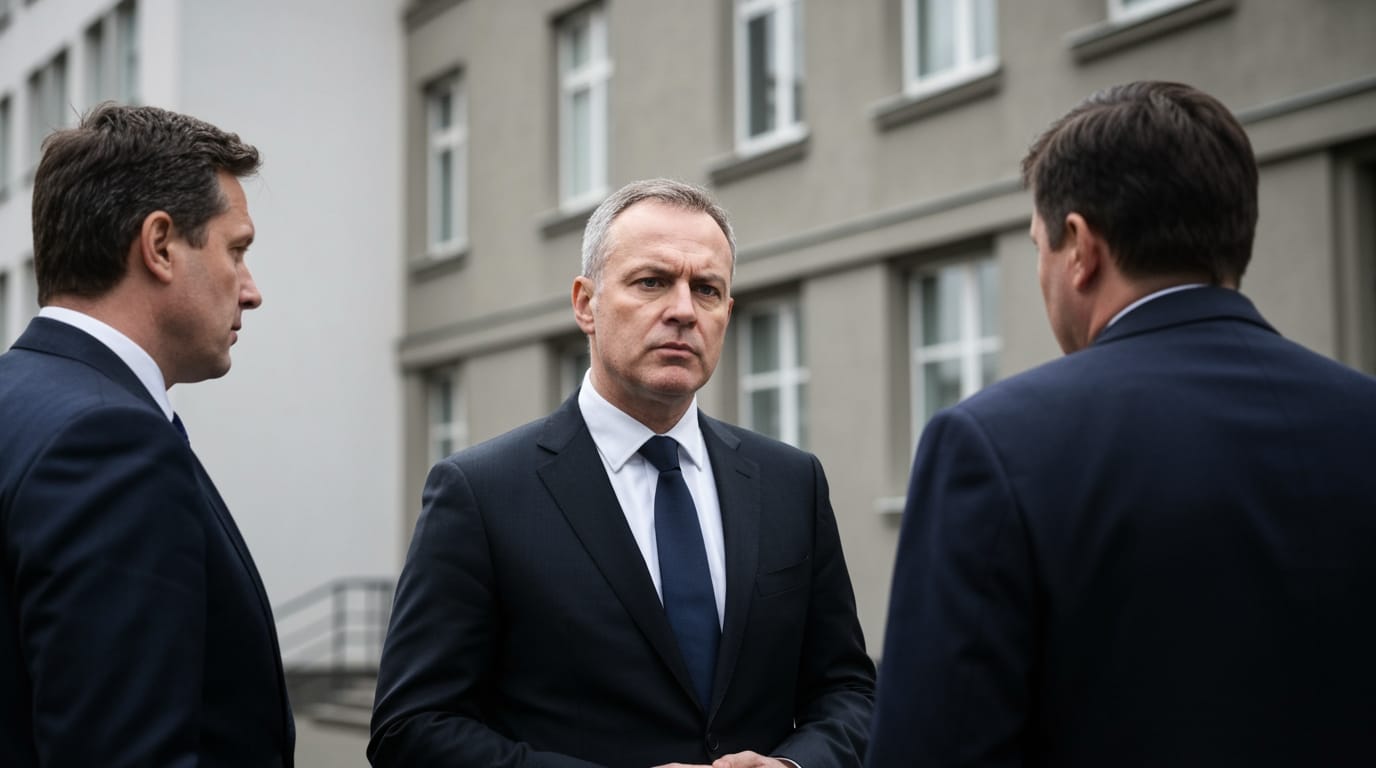
Brussels and Berlin, along with several other European capitals, have issued strong diplomatic protests, summoning Russian envoys on Tuesday, May 26, 2026, following Moscow's explicit threats of escalated strikes on Kyiv and an order for foreign diplomats to evacuate the Ukrainian capital. The coordinated diplomatic action underscores growing international alarm over Russia's intensifying military rhetoric and recent bombardments, marking another critical juncture in the ongoing conflict.
Russia's Escalatory Warning Triggers Diplomatic Outcry
The latest diplomatic firestorm erupted after Moscow announced its intention on Monday, May 25, to mount "systematic strikes" on Ukrainian military targets and "decision-making centres" in Kyiv. This threat came on the heels of what Ukrainian officials described as one of the heaviest bombardments on the capital since the war began, involving scores of drones and missiles, including the Oreshnik hypersonic missile. Russia's Foreign Ministry characterized these actions as a response to alleged Ukrainian aggression in Russian-occupied territories. Russian Foreign Minister Sergei Lavrov reportedly conveyed the evacuation warning directly to U.S. Secretary of State Marco Rubio, urging American diplomatic personnel to leave Kyiv.
In a swift and unified response, Germany, Norway, the Netherlands, and the European Union's diplomatic service each summoned Russia's representatives to convey their condemnation. Anitta Hipper, a spokesperson for the European Union's foreign policy arm, denounced Russia's warning to foreign citizens and diplomats as an "unacceptable escalation." Hipper affirmed that the EU's delegation would remain in Kyiv, a stance echoed by individual member states. Germany's Foreign Minister Johann Wadephul previously stated Berlin's resolve not to be intimidated by such threats and confirmed no plans to withdraw its embassy staff. This collective refusal to evacuate highlights a deliberate strategy by Western nations to signal unwavering support for Ukraine and defy Russian attempts at diplomatic intimidation.
A Pattern of Intimidation and Defiance
The current diplomatic confrontation is not an isolated incident but rather a continuation of a pattern of Russian pressure tactics that have intensified since the full-scale invasion of Ukraine in February 2022. For instance, just weeks prior, on May 7, 2026, Moscow issued a similar directive for diplomats to leave Kyiv ahead of its Victory Day celebrations on May 9, threatening a "massive missile strike on the center of Kyiv" should Ukraine disrupt the event. At that time, foreign embassies, including those of Germany and the EU, also firmly rejected the warnings, choosing to maintain their presence in the Ukrainian capital.
This recurring strategy by Moscow appears aimed at unsettling the international diplomatic community and eroding support for Ukraine, particularly by challenging the stability of Kyiv and the resilience of its international partners. However, the consistent defiance from the EU and its member states demonstrates a calculated risk, emphasizing the principle of international law and sovereign integrity over succumbing to coercive diplomatic maneuvers. Western missions have largely maintained their operations in Kyiv, underlining their commitment to the Ukrainian government and people, even in the face of direct threats.
European Resolve in the Face of Aggression
The coordinated diplomatic rebukes by the EU and its members are emblematic of a broader, fundamental shift in European foreign policy since Russia's 2022 invasion. The initial Russian aggression, which began with air strikes and a ground invasion on February 24, 2022, triggered an unprecedented unified response from Europe. The European Council, comprising the heads of state or government of the 27 EU Member States, swiftly condemned Russia's actions as a gross violation of international law and pledged to impose "massive and severe consequences."
Germany, in particular, underwent a profound reorientation of its foreign and defense policy, famously termed "Zeitenwende" (turning point) by Chancellor Olaf Scholz. This shift involved a significant increase in defense spending and, notably, a reversal of its long-standing policy against sending weapons to conflict zones, providing substantial military aid to Ukraine. Germany has since become the second-largest supporter of Ukraine in terms of weapon supplies, after the United States, and has also drastically reduced its energy dependence on Russia.
The EU as a whole has implemented numerous rounds of sanctions against Russia, targeting its economy, individuals, and access to financial markets. These measures, coordinated with allies like the U.S. and UK, aim to exert continuous economic pressure on Moscow. Beyond sanctions, the EU has provided significant military assistance to Ukraine through mechanisms like the European Peace Facility and has offered temporary protection to millions of Ukrainian refugees. This comprehensive response demonstrates a transformation from a foreign policy primarily focused on influence to one embracing a geopolitics of power relations, prioritizing international law and security.
Navigating the Future of European Security
The ongoing diplomatic skirmishes and the unwavering European response highlight the deep chasm that now defines relations between Russia and the West. Russia's continued threats to Kyiv and its diplomats are perceived not merely as tactical maneuvers within the conflict, but as attempts to destabilize Europe more broadly. The EU's chief, Ursula von der Leyen, has warned that Moscow seeks to "destabilise" Europe, underscoring the high stakes involved in these diplomatic standoffs.
The decision by the EU and its member states to maintain their diplomatic presence in Kyiv, despite explicit warnings, reinforces their commitment to Ukraine's sovereignty and their determination not to be swayed by Russian aggression. This collective resolve forms a cornerstone of the broader international effort to support Ukraine and uphold the principles of international law. As the conflict continues, these diplomatic battles, though less visible than military engagements, are crucial in shaping the geopolitical landscape and demonstrating the resilience of the European Union in safeguarding its values and security.


