High Stakes Diplomacy: US and Iranian Negotiators Converge in Switzerland Amidst Regional Tensions
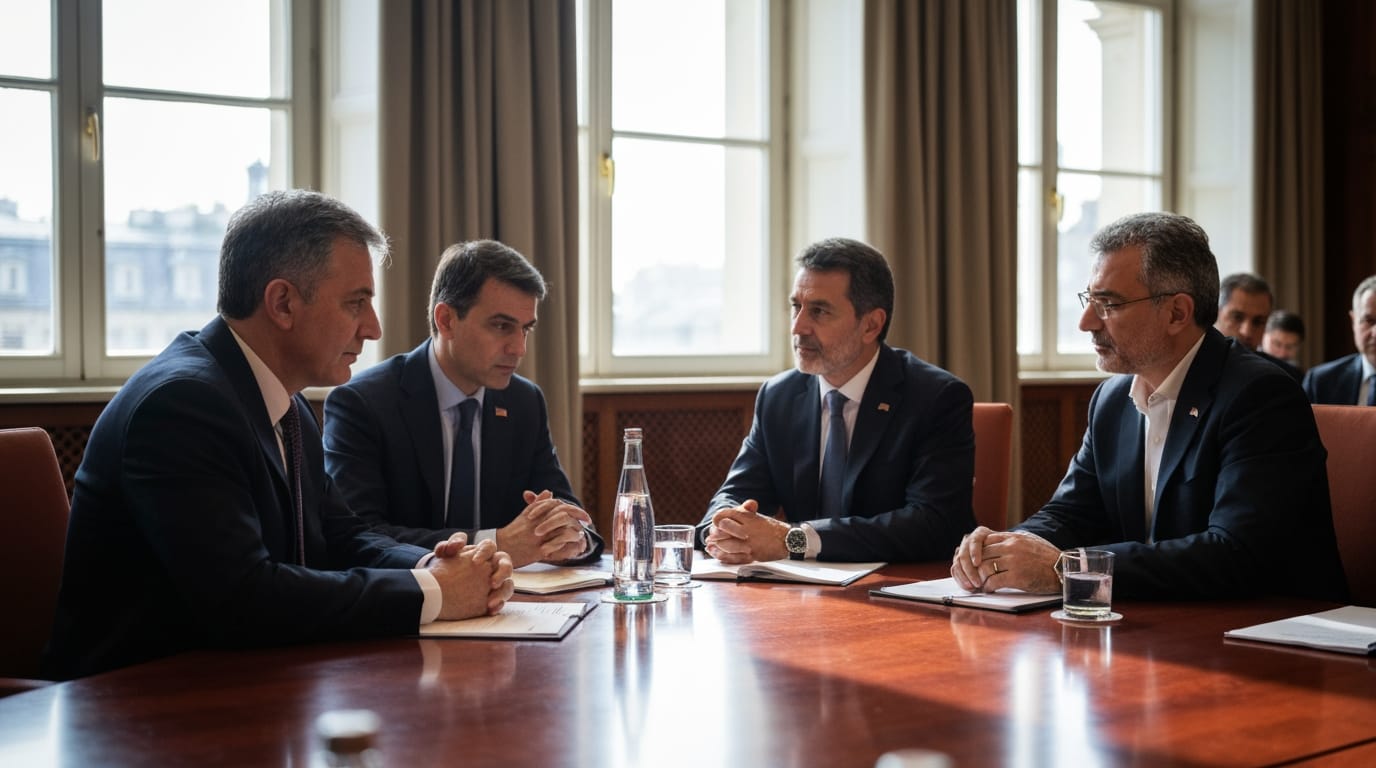
BÜRGENSTOCK, SWITZERLAND – In a pivotal moment for international relations, high-level delegations from the United States and Iran have descended upon Switzerland, poised to commence crucial talks aimed at advancing a recently brokered interim peace deal. The negotiations, set to begin on Sunday, June 21, 2026, in Bürgenstock, arrive against a backdrop of escalating regional tensions, including Iran's declaration of the Strait of Hormuz closure and a fragile ceasefire in Lebanon that is already under immense strain. The outcome of these discussions could determine the trajectory of stability in the Middle East and global energy markets for years to come.
Diplomacy in the Alps: A Critical Juncture
The scenic Swiss setting belies the gravity of the discussions underway. Iran's negotiating team, led by Parliament Speaker Mohammad Bagher Ghalibaf, arrived in Switzerland on Saturday, June 20. The delegation also includes Foreign Minister Abbas Araghchi, alongside senior security, central bank, and oil officials, underscoring the comprehensive nature of the issues at hand. On the American side, US Vice President J.D. Vance is expected to join the talks shortly, with US special envoy Steve Witkoff and Jared Kushner already on the ground, having been instrumental in preliminary engagements. The immediate objective is to build upon the "Islamabad Memorandum of Understanding" (MOU), an interim deal brokered by Pakistan and signed just days earlier, on June 17, by US President Donald Trump and Iranian President Masoud Pezeshkian. This MOU was intended to halt a nearly four-month-long conflict between the two nations.
The discussions in Bürgenstock are designed to tackle outstanding issues not fully covered by the initial agreement, with Iran's nuclear program and the volatile situation in Lebanon at the forefront of the agenda. Swiss officials have confirmed the presence of envoys from various countries working to maintain dialogue, though specific details remain confidential. Mediating nations, including Pakistan and Qatar, are also actively involved, signaling a broad international effort to de-escalate tensions and secure a lasting peace.
The Troubled Truce and Hormuz Standoff
The path to peaceful resolution is fraught with immediate challenges. A 60-day ceasefire, a critical component of the initial agreement, has shown signs of fragility, particularly in Lebanon. Hours after the truce was announced, Israeli forces and the Iran-backed militant group Hezbollah engaged in renewed hostilities, resulting in the deaths of 20 people from Israeli strikes on Saturday. This ongoing violence has drawn sharp criticism from some hardline Iranian figures, who argue that engaging in talks without a full ceasefire in Lebanon and an Israeli withdrawal would be a betrayal of the agreement's terms. An adviser to Iranian Supreme Leader Ayatollah Mojtaba Khamenei accused the US of failing to implement the MOU's first clause, which calls for a ceasefire "on all fronts," including Lebanon.
Further complicating the atmosphere, Iran's Islamic Revolutionary Guard Corps (IRGC) declared the Strait of Hormuz shut on Saturday, citing what it described as Israeli "crimes" in Lebanon and a US violation of commitments related to the ceasefire. This move, affecting a vital conduit for global oil and gas supplies, immediately sparked international alarm. However, the United States swiftly disputed the claim, with US Central Command reporting that 55 merchant ships had transited the Strait unhindered on the same day, moving vast quantities of cargo and oil. US Vice President Vance expressed confidence that the ceasefire would hold and stated he had seen no evidence of the Strait's closure. President Trump, in a social media post, indicated that no toll would be charged for passage through the Strait during or after the 60-day ceasefire, unless peace talks fail, potentially allowing the US to levy a toll for "services rendered as the Guardian Angel to the countries of the Middle East."
Unpacking the Islamabad MOU and Nuclear Concerns
The recently signed Islamabad Memorandum of Understanding serves as the foundational document for these high-stakes talks. While the full text of the 14-point MOU has not been entirely publicized, reports suggest it includes provisions for a 60-day ceasefire and aims to bring an end to the four-month conflict that has destabilized the region. Notably, the current Swiss talks are specifically tasked with delving into aspects not fully resolved in the initial MOU, particularly Iran's nuclear ambitions.
Reports indicate that some "gentleman's agreements" were made outside the written memorandum, and concerns persist among senior US administration officials regarding Iran's commitment to its nuclear pledges. Iranian Foreign Ministry spokesperson Esmaeil Baghaei stated that Iran would use the Switzerland platform to press for the fulfillment of commitments, referencing past failures by other parties to honor agreements. The nuclear issue remains a deeply contentious point, with its resolution being paramount for any long-term stability deal. The international community watches closely for any signs of progress or recalcitrance on this front.
High Stakes and Regional Implications
The convergence of US and Iranian negotiators in Switzerland carries immense regional and global implications. The stability of the Middle East, a region perpetually on edge, hinges significantly on the success of these diplomatic efforts. A positive outcome could pave the way for reduced tensions, sustained economic activity, and a pathway to addressing other pressing regional challenges. Conversely, a failure could plunge the region into further uncertainty, potentially reigniting conflict and disrupting global supply chains, especially oil.
The ongoing involvement of Pakistan and Qatar as mediators highlights the broad international desire for a peaceful resolution. Their efforts underscore the belief that diplomatic engagement, even amidst overt hostilities and deep mistrust, remains the most viable path forward. The talks also face scrutiny from various internal factions within Iran, with differing perspectives on the utility and conditions of engaging with the United States. Hardline voices emphasize the need for tangible concessions, particularly regarding regional security and the ongoing conflict in Lebanon, before any significant progress can be truly achieved. The very act of these talks taking place, despite the immediate provocations like the Strait of Hormuz declaration and renewed fighting in Lebanon, speaks to the critical need for dialogue and the recognition by both sides of the dangers of uncontrolled escalation.
Conclusion
As negotiators settle into the tranquil environs of Bürgenstock, the weight of a turbulent region rests heavily on their shoulders. The urgent need to cement a fragile ceasefire, address the complexities of Iran's nuclear program, and navigate the volatile situation in the Strait of Hormuz and Lebanon creates a precarious balance. While the presence of high-level delegations from both the United States and Iran offers a glimmer of hope, the simultaneous continuation of hostilities and inflammatory declarations serves as a stark reminder of the deep-seated mistrust and formidable obstacles that must be overcome. The coming days in Switzerland will be a testament to the resilience of diplomacy in the face of adversity, with the potential to either forge a path toward enduring peace or deepen the divides that threaten global stability.


