High-Stakes Diplomacy: US Envoy Leads Urgent Ukraine Peace Talks in Berlin
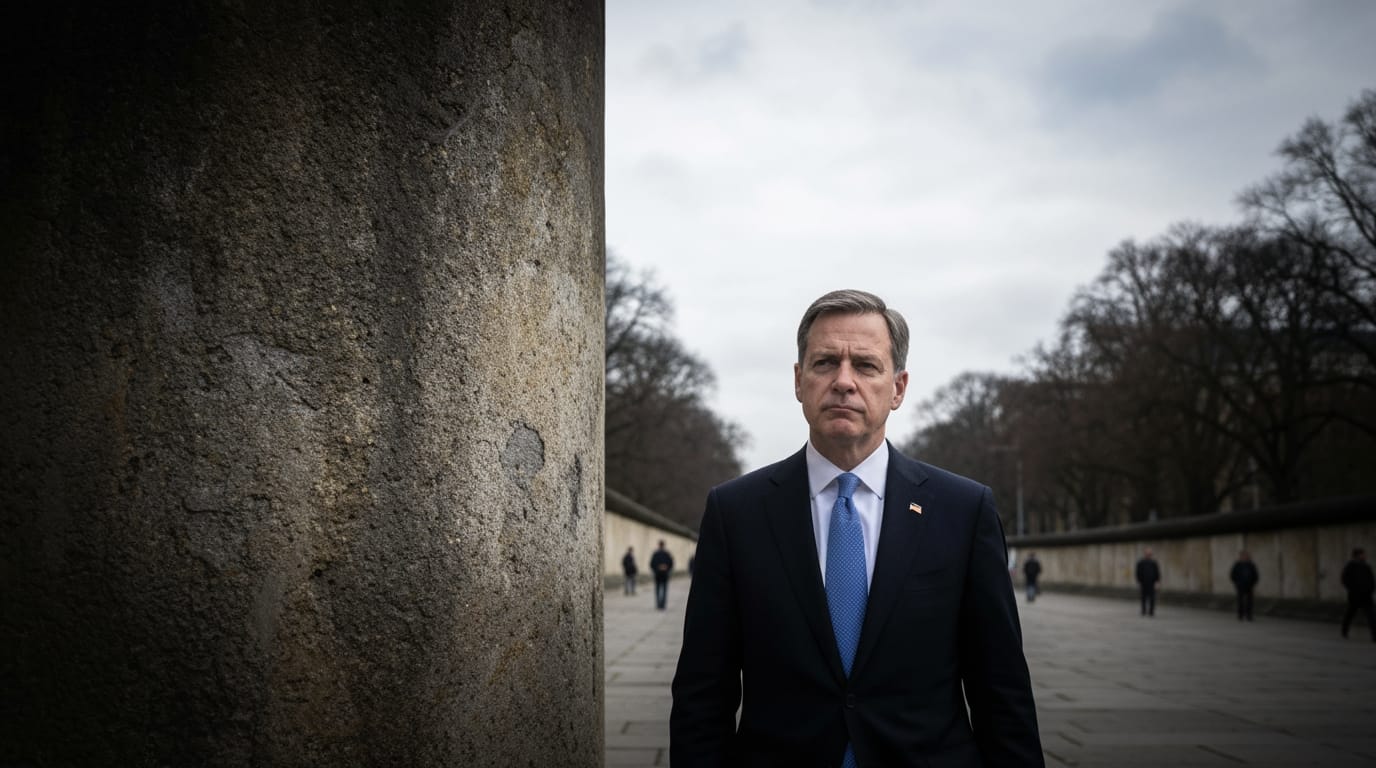
BERLIN – United States Special Envoy Steve Witkoff has arrived in Berlin for a series of high-level meetings aimed at accelerating a peace agreement in Ukraine, marking a critical juncture in the nearly three-year-old conflict. The diplomatic push, initiated by Washington, seeks to bridge significant gaps between Kyiv and its Western allies over the terms of a potential settlement with Russia, emphasizing the growing urgency for a resolution amidst the ongoing hostilities.
The Diplomatic Blitz Takes Center Stage
Envoy Witkoff, a special representative of U.S. President Donald Trump, is set to engage with Ukrainian President Volodymyr Zelenskyy and an array of European leaders throughout the weekend and into early next week. These talks underscore Washington's intensified pressure on Kyiv to finalize an agreement. Notably, Jared Kushner, President Trump's son-in-law, is also participating in some of these pivotal discussions.
The agenda includes bilateral meetings and a broader gathering scheduled for Monday, December 15, which will convene leaders from the European Union and NATO, following a German-Ukrainian business forum attended by President Zelenskyy and German Chancellor Friedrich Merz. Key European figures expected to attend include French President Emmanuel Macron, UK Prime Minister Keir Starmer, European Commission President Ursula von der Leyen, European Council President António Costa, and NATO Secretary General Mark Rutte, alongside heads of state from Finland, Norway, Italy, and Poland. These extensive consultations reflect a concerted effort to forge a unified Western position on ending the protracted conflict.
The Evolving Framework of a Peace Proposal
At the heart of the Berlin discussions is an American-backed peace proposal, which has undergone several revisions since its initial unveiling. President Trump's original 28-point plan, publicly disclosed last month, sparked controversy for allegedly mirroring some of Moscow's key demands, particularly concerning Ukraine ceding crucial territory. Ukrainian officials have since submitted an updated version of this plan to Washington, signaling Kyiv's engagement with the American framework while seeking to tailor it to its national interests.
A particularly contentious element of the latest US plan is the inclusion of Ukraine's potential accession to the European Union as early as January 2027. This provision, while appealing to Kyiv's long-term aspirations, has met with skepticism in Brussels, where officials emphasize the typical multi-year, complex accession process and the requirement for unanimous consent from all 27 member states. Additionally, European and Ukrainian counterparts are steadfast in their demand for robust "security guarantees" from the United States before any negotiations involving territorial concessions can proceed. This reflects a critical need for assurances that Ukraine's sovereignty and future security will be safeguarded.
Divergent Interests and Complex Realities
The Berlin talks highlight the inherent complexities and sometimes divergent interests among the allies. While there is a shared desire to end the conflict, the path to peace is fraught with difficult compromises, particularly regarding Ukraine's territorial integrity. German Chancellor Friedrich Merz has underscored that any decisions concerning territorial concessions must ultimately be made by the Ukrainian President and its people, emphasizing their sovereign right to determine their nation's future. This position contrasts with the perceived pressure from Washington to reach a swift agreement, even if it entails difficult concessions.
The "free economic zone" concept in the Donbas, initially proposed by President Trump and now being translated into a tangible negotiating strategy by the White House, further complicates the discussions. While intended to offer an economic solution, its implementation in Russian-occupied or contested territories presents significant practical and political hurdles. The ongoing diplomatic efforts are therefore not just about ending the fighting but also about shaping the postwar geopolitical landscape, including Ukraine's future alignment and security architecture.
A Critical Juncture for Resolution
These negotiations unfold against a backdrop of prolonged conflict, which began with Russia's full-scale invasion in February 2022. Since then, the United States has been a principal supporter of Ukraine, providing billions in military, financial, and humanitarian aid. However, under the current Trump administration, there has been a noticeable shift towards prioritizing a diplomatic resolution, with the White House indicating it would send an official only if substantial progress could be anticipated.
The high casualty figures cited by President Trump—reportedly 25,000 soldiers killed monthly in Ukraine and Russia—underscore the immense human cost driving the push for peace. Despite claims of "deadlock" by some European officials, the mere continuation of these high-level talks, including the involvement of a US envoy who has previously engaged with both Ukrainian and Russian representatives on peace proposals, signals an enduring commitment to finding a diplomatic off-ramp. The challenge remains to consolidate the diverse perspectives and detailed proposals into a cohesive plan that can secure both a lasting peace and the endorsement of all key stakeholders, particularly Ukraine itself.
Conclusion
The arrival of US Envoy Steve Witkoff in Berlin for extensive peace talks on Ukraine marks a pivotal moment in the search for a diplomatic end to the devastating conflict. With President Zelenskyy and a wide array of European leaders gathered, the discussions center on the complex interplay of territorial concessions, security guarantees, and Ukraine's future integration with Western institutions. The pressure for a resolution is palpable, yet the path forward is intricate, requiring a delicate balance of national interests, geopolitical realities, and the sovereign will of the Ukrainian people. The coming days in Berlin will be instrumental in determining whether these intense diplomatic efforts can pave the way for a viable and enduring peace.


