High Stakes in the Alps: US and Iran Embark on Fragile Path to Peace
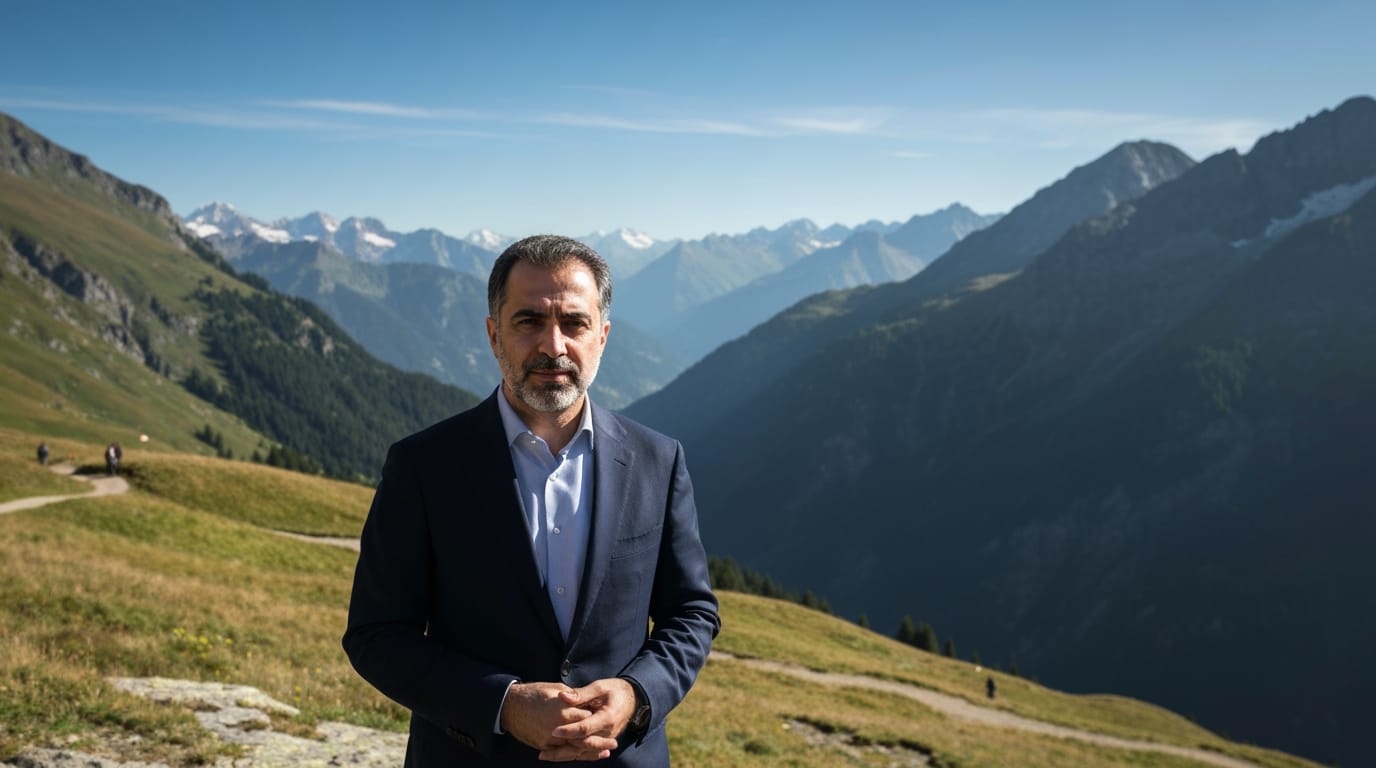
BURGENSTOCK, Switzerland – A landmark memorandum of understanding (MoU) has brought a tentative halt to months of regional conflict between the United States and Iran, setting the stage for critical negotiations beginning Friday in the picturesque but politically charged setting of Switzerland's Bürgenstock resort. While the immediate ceasefire and reopening of the vital Strait of Hormuz offer a glimmer of hope, deep-seated skepticism and complex unresolved issues underscore the formidable challenges ahead for a lasting peace.
The agreement, virtually signed Wednesday by US President Donald Trump and Iranian President Masoud Pezeshkian, was brokered with the mediation of Pakistan and Qatar. It marks a significant diplomatic breakthrough following a period of escalating hostilities that began on February 28 with US-Israeli strikes in the region. The impending talks aim to build upon this initial pact, but analysts and officials on both sides acknowledge the implementation phase will be far more arduous than reaching the preliminary accord.
A Ceasefire in the Alps' Shadow
The "Islamabad MoU" has delivered immediate, tangible results: an end to military operations on all fronts and the prompt reopening of the Strait of Hormuz, a crucial global oil chokepoint that Iran had closed following the outbreak of conflict. Concurrently, the US naval blockade on Iranian ports has been lifted, facilitating the movement of commercial vessels. Reports indicate that Iranian oil tankers are already transiting the Strait, signaling a quick response to the agreement.
The Swiss government confirmed that initial negotiations to implement this agreement are scheduled to commence Friday at the Bürgenstock mountaintop resort, overlooking Lake Lucerne. Switzerland's long-standing policy of neutrality and its historical role as an intermediary for Washington and Tehran, dating back to 1979, makes it a natural choice for these sensitive discussions. The resort complex, known for its secluded luxury, now becomes the focal point for international diplomacy aimed at translating a fragile ceasefire into a comprehensive, enduring resolution. Mediators Pakistan and Qatar, along with other involved countries, are expected to participate in these critical discussions.
The Core Agenda: Nuclear Ambitions and Sanctions
The primary objectives of the Bürgenstock talks are to hammer out the details of a long-term settlement, with Iran's nuclear program and the lifting of international sanctions standing as the most contentious issues. Under the recently signed MoU, Iran has reaffirmed its commitment not to develop or acquire nuclear weapons. However, the specifics of how this pledge will be verified remain a significant sticking point.
The US demands that Iran's stockpile of near-bomb-grade uranium be either shipped out or destroyed, while Iran has indicated a willingness to dilute the material but not relinquish it entirely. Furthermore, Iran's future uranium enrichment capacity and the extent of international inspections, reminiscent of those under the 2015 Joint Comprehensive Plan of Action (JCPOA), are major areas of disagreement. Adding another layer of complexity, Iran has unequivocally stated that its missile program will not be part of the negotiations, a red line that has previously derailed diplomatic efforts.
The MoU establishes a 60-day window for these technical discussions to unfold, covering sanctions relief, verification inspections, and broader regional security concerns. This tight timeline for such complex issues, which have historically taken years to negotiate, raises concerns about the feasibility of a comprehensive agreement.
A Legacy of Mistrust and High Stakes
The path to these Swiss talks is paved with decades of animosity and a recent resurgence of conflict. The regional war, ignited in late February with US-Israeli strikes, saw a period of intense hostilities, including significant casualties in Lebanon from Israeli operations against Iran-backed Hezbollah. This latest escalation followed years of strained relations since the 1979 Iranian Revolution, punctuated by intermittent attempts at diplomacy, most notably the 2015 JCPOA, from which the Trump administration withdrew in 2018.
For President Trump, the deal comes amidst domestic pressure over high gasoline prices and a focus on foreign affairs ahead of upcoming midterm elections. Iran, on the other hand, has been reeling from military and economic setbacks. The involvement of Pakistan and Qatar as mediators highlights the regional interest in de-escalation and stability. The negotiations are not merely bilateral; they carry profound implications for regional powers like Israel, which has expressed deep skepticism about the deal and its potential impact on its security interests, particularly regarding Hezbollah in Lebanon and Iran's nuclear capabilities. Israel's military has already indicated it will maintain operations against Hezbollah despite the ceasefire agreement.
The Divide: Optimism vs. Doubt
The diplomatic endeavor in Switzerland is met with a stark division between cautious optimism and profound doubt. Proponents of the MoU hope it represents a vital step towards de-escalation, preventing further regional conflict and offering a pathway to economic relief for Iran, thereby potentially stabilizing a volatile region. President Trump has hailed the MoU, dismissing critics as "fools" and emphasizing Iran's commitment to forgo nuclear weapons.
However, skepticism abounds. Critics within the US, including some Republicans, question the enforceability of Iran's nuclear commitments and the lack of transparency surrounding the deal's text. Israeli officials, including Prime Minister Netanyahu, remain deeply distrustful of Iran's intentions, fearing that Tehran will not genuinely adhere to restrictions on its nuclear program and will continue to support regional proxies. Iran's Foreign Minister Esmail Baqaei himself noted that the implementation phase will be "more difficult" than the initial agreement, underscoring the complexities that lie ahead. There are also concerns that the US negotiating team may be short on technical expertise, potentially facing veteran Iranian diplomats known for their protracted bargaining style.
A Future Hanging in the Balance
As delegations gather in the serene yet intense atmosphere of the Swiss Alps, the weight of history and the urgency of the present converge. The recent MoU has undeniably created a critical opening for dialogue, pulling the region back from the brink of wider conflict and offering a chance for much-needed stability. However, the true test of this diplomatic venture lies not in the initial agreement, but in the meticulous, often frustrating, process of negotiating its implementation.
The Bürgenstock talks represent a delicate balance between the aspiration for peace and the reality of entrenched geopolitical rivalries. The ability of both the United States and Iran to navigate these complex issues, overcome decades of mistrust, and manage domestic and regional pressures will ultimately determine whether this new chapter in diplomacy leads to a genuine, lasting peace or merely a temporary reprieve in a long-standing confrontation. The world watches, hopeful yet wary, as the future of West Asia hangs in the balance amidst the Swiss peaks.


