Historic Shift: Trump's Signature to Grace U.S. Dollar Bills
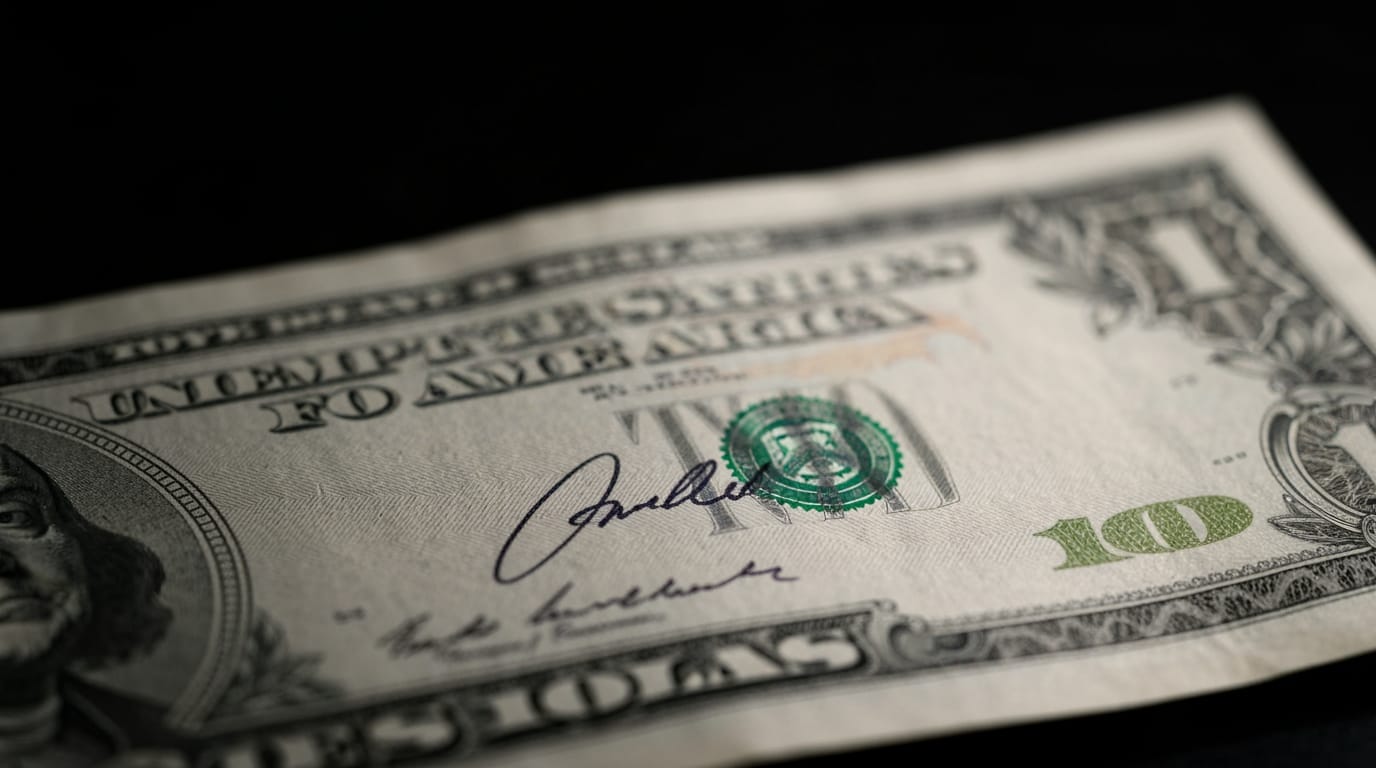
In an unprecedented move breaking over a century and a half of tradition, President Donald J. Trump's signature will soon adorn all U.S. paper currency, the Treasury Department announced Thursday. This historic decision, made in recognition of the nation's upcoming 250th anniversary, marks the first time a sitting U.S. president's autograph will appear on legal tender. The announcement signifies a notable departure from established protocol, which has historically reserved signature placement for the Secretary of the Treasury and the Treasurer of the United States.
The initial rollout of bills featuring the president's signature is slated for June, beginning with the $100 denomination. Subsequent months will see other denominations also incorporate the new design. This change will necessitate the removal of the Treasurer's signature from U.S. currency, a practice that has been continuous since 1861.
A Break with Long-Standing Tradition
For generations, U.S. paper currency has carried the signatures of two key Treasury officials: the Secretary of the Treasury and the Treasurer of the United States. These signatures traditionally serve as an authentication of the currency, symbolizing the government's pledge of its value. This practice dates back to the introduction of U.S. federal currency in 1861, establishing a consistent and unbroken line of Treasurers whose signatures graced the nation's money. The addition of a sitting president's signature, and the corresponding removal of the Treasurer's, fundamentally alters this long-held convention. Experts note that while the Secretary of the Treasury's signature signifies the executive branch's financial authority, the Treasurer's signature has provided an additional layer of institutional continuity and historical representation on the nation's bills. The current Secretary of the Treasury, Scott Bessent, will have his signature appear alongside President Trump's on the new notes.
Commemorating the Semiquincentennial and Economic Achievements
The Treasury Department articulated that the change is intended to honor the upcoming 250th anniversary of U.S. independence, often referred to as the Semiquincentennial. Treasury Secretary Scott Bessent stated that there was no more powerful way to recognize the significant achievements of the country and President Trump than through currency bearing his name. Bessent highlighted what he described as "unprecedented economic growth, lasting dollar dominance, and fiscal strength and stability" experienced under President Trump's leadership, suggesting the currency change serves as a testament to these perceived successes. U.S. Treasurer Brandon Beach echoed this sentiment, remarking that placing President Trump's signature on American currency is "not only appropriate, but also well deserved," citing the president's historical mark as the "architect of America's Golden Age economic revival".
Broader Context of Presidential Recognition
This move is the latest in a series of instances where President Trump's administration has sought to imbue American cultural institutions and symbols with his name and likeness. Earlier this month, a federal arts commission approved the final design for a 24-karat gold commemorative coin featuring President Trump's image, also in celebration of America's 250th birthday. This prior effort faced scrutiny due to federal law typically prohibiting the depiction of living individuals on circulating U.S. coins, though the commemorative nature allowed for an exception. Beyond currency, President Trump has also overseen the renaming of various institutions, including the U.S. Institute of Peace, the Kennedy Center performing arts venue, and a new class of battleships, further solidifying his personal imprint on national entities. The decision regarding the dollar bills aligns with this broader pattern of presidential mark-making on national symbols.
Implications for U.S. Currency
While the overall designs of the bills, including portraits of historical figures like George Washington on the $1 note, will remain unchanged, the addition of the president's signature represents a significant symbolic alteration. The U.S. Bureau of Engraving and Printing is responsible for producing all paper currency, and the Treasury Department maintains broad discretion over design changes, particularly those aimed at enhancing security or commemorating national events. Existing laws primarily focus on elements like the phrase "In God We Trust" and limit portraits of living individuals on circulating coins, but grant the Treasury flexibility in other design aspects. All U.S. currency, regardless of its issue date or specific design, remains legal tender. This forthcoming change on U.S. dollar bills signals a notable shift in the long-established tradition of currency authentication, reflecting a new chapter in how the nation's money publicly acknowledges its leadership and milestones.


