Historic Winter Storms Hammer Nordic Region, Leaving Thousands Without Power, Two Dead
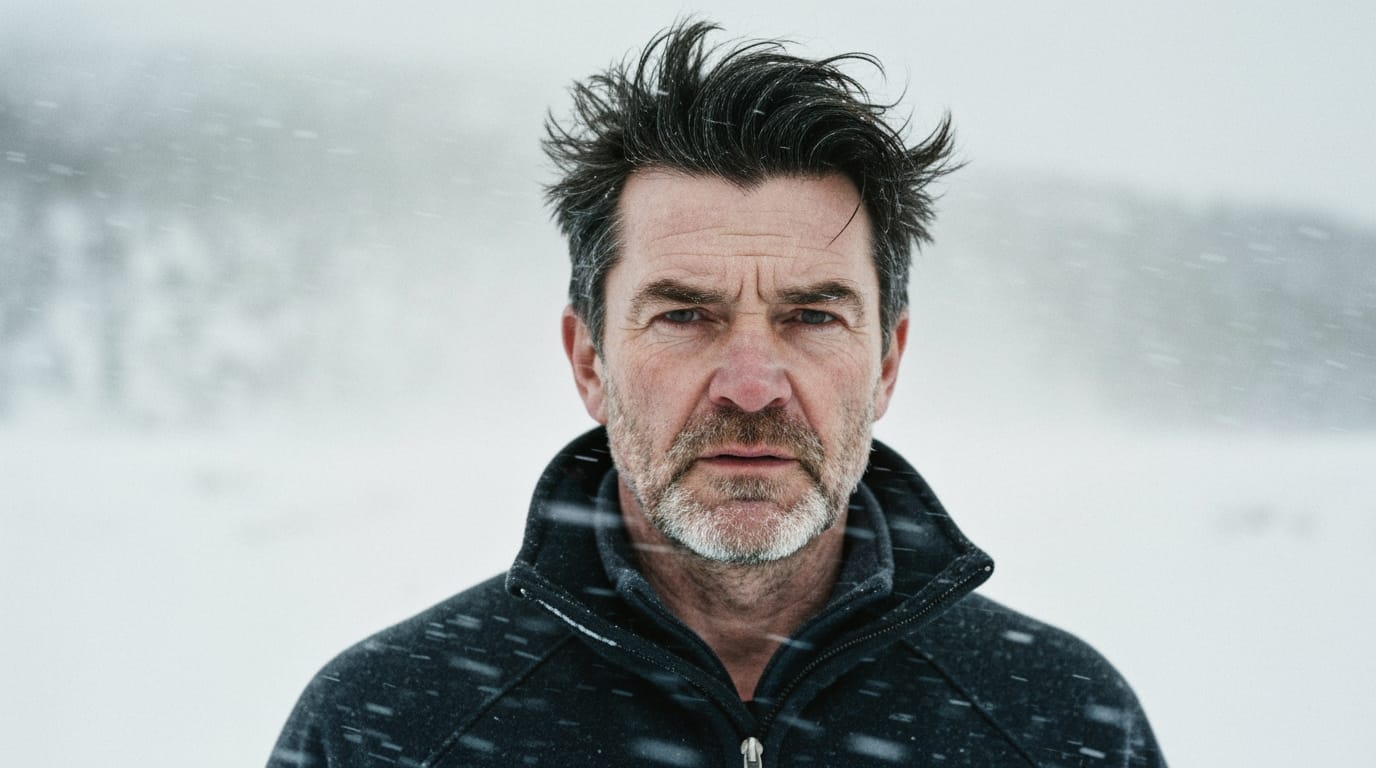
A series of ferocious winter storms, most notably Storm Johannes and Storm Hannes, have swept across the Nordic states in late December 2025, unleashing hurricane-force winds, burying regions under significant snowfall, and plunging tens of thousands of households into darkness. The severe weather has led to widespread travel disruptions, significant infrastructure damage, and tragically, two fatalities in Sweden, marking a brutal end to the year for much of Scandinavia and Finland.
The onslaught of extreme weather began intensifying in mid-December, culminating in hurricane-scale winds and heavy snowfalls that have brought daily life to a standstill across Norway, Sweden, Finland, and parts of Denmark. The events have been exacerbated by a broader meteorological pattern influenced by La Niña, a weakened Polar Vortex, and a persistent Scandinavian high-pressure block, contributing to an unusually cold and stormy winter for the region. Forecasters had warned of a severe winter, predicting plunges in temperature and persistent snowfall, setting the stage for the dramatic events of the past week.
Winter's Fury Unleashed: Meteorological Drivers and Early Impacts
The extreme conditions witnessed across the Nordic region are rooted in a complex interplay of global weather phenomena. La Niña, characterized by cooler-than-average sea surface temperatures in the equatorial Pacific, has influenced atmospheric circulation globally, leading to a wavier jet stream over the North Atlantic. This, combined with a weakened and disrupted Polar Vortex, has allowed frigid Arctic air to spill southward into Scandinavia. Adding to this, a powerful "Scandinavian Block" – a stubborn high-pressure system over Norway, Sweden, and Finland – has acted as a barrier, preventing milder Atlantic air from reaching the region and instead steering moisture-laden storms directly into the path of the Arctic cold. This confluence of factors has created a "snow machine" over the Nordic states, delivering persistent cold and heavy snowfall well ahead of what some areas typically experience.
By mid-December, signs of the impending severity were already evident. On December 19, Norway issued heavy snow warnings, particularly for mountain passes in its southern regions, as the Christmas travel period commenced. Authorities highlighted significant avalanche risks in high-altitude areas above 1,000 meters due to an unstable, heavy snowpack. Even before the peak of the storms, ski resorts in western Norway had already received up to 60 centimeters (24 inches) of snow over a 72-hour period around December 24, with temperatures plummeting to between -10 and -20 degrees Celsius. Lapland resorts were expected to see temperatures drop even further, below -20 degrees Celsius. Denmark's Nordjylland region experienced its first significant cold snap, with temperatures remaining below freezing for 24 hours, an occurrence more common in mid-winter than late December, with forecasts indicating potential snowfalls around the New Year.
Widespread Disruption and Power Grid Strain
The full force of the storms became tragically apparent on December 27, when Storm Johannes swept across Sweden and Norway. The Swedish Meteorological and Hydrological Institute issued strong wind alerts across the northern half of the country, with hurricane-scale winds recorded in some areas. This storm tragically claimed two lives in Sweden, as two individuals, including a utility employee, were struck by falling trees.
The impact on infrastructure was immediate and severe. Over half of Sweden was affected, with approximately 40,000 households losing electricity. Finland faced similar widespread outages, with Storm Johannes reportedly cutting power to over 120,000 homes. Simultaneously, Storm Hannes intensified its assault on Finland, leaving 14,000 households in western Finland without electricity and creating chaotic travel conditions across the country.
Transportation networks across the Nordic states bore the brunt of the storms. Heavy snowdrifts and poor visibility forced road closures and mandated convoy driving in several Norwegian mountain passes, including Hardangervidda, Strynefjellet, Vikafjell, and Dovrefjell. In Sweden, multiple train connections were canceled, while Finland experienced disruptions in air traffic. Ferry services across the Baltic Sea were also significantly affected, with storm-force winds prompting cancellations and delays for international shipping routes between Finland, Sweden, and Estonia, impacting companies like Viking Line and Tallink Silja. The timing of the storms, coinciding with the busy post-Christmas travel period, exacerbated the challenges, with Norway's airports anticipating over 125,000 air passengers on December 19 alone.
Human Cost and Resilience Amidst the Cold
The human dimension of the storms extended beyond the immediate fatalities and disruptions. For thousands returning home after Christmas, December 27 turned into a day of unexpected hardship, marked by power cuts and disrupted travel plans. Emergency services across the affected nations were stretched thin, focusing on keeping crucial routes open and working tirelessly to restore electricity in challenging conditions. In rural areas, fallen trees and damaged power lines posed significant obstacles to repair crews. The extreme cold, with forecasts indicating potential drops to -15 or even -20 degrees Celsius in January and February, and -30 degrees Celsius or lower in northern Sweden and Finland, highlights the ongoing threat to vulnerable populations and the strain on heating utilities.
Communities have demonstrated remarkable resilience, bracing for what forecasters predict will be a prolonged and intense winter season. Public advisories urged residents to prepare emergency kits, secure properties against high winds, and monitor official channels for updates. Ski resorts in Lapland were forced to close lifts due to strong winds, even as slopes remained covered in abundant snow, showcasing the double-edged sword of this unusually snowy winter for the region's winter sports industry. The emphasis remains on safety, with authorities advising against unnecessary travel and urging vigilance against rapidly changing conditions and avalanche risks.
Looking Ahead: A Challenging Start to the New Year
As the Nordic states transition from late December into the New Year, the immediate aftermath of Storms Johannes and Hannes, combined with the persistent cold generated by the regional weather patterns, promises a challenging start to 2026. Recovery efforts will focus on restoring full power to all affected areas, clearing transportation routes, and repairing damaged infrastructure. The economic implications, though not fully quantifiable yet, are expected to be substantial, affecting various sectors from transport and logistics to energy consumption and local businesses. The disruptions underscore the critical importance of robust emergency preparedness and resilient infrastructure in a region accustomed to severe winters but still vulnerable to extreme events.
The 2025-2026 winter season is shaping up to be one for the history books, with meteorologists predicting continued cold and snow. While the severe weather presents formidable challenges, it also highlights the profound connection between global climate phenomena and localized impacts. The resilience of Nordic communities, coupled with coordinated efforts from national and local authorities, will be paramount in navigating the ongoing deep freeze and ensuring the safety and well-being of residents in the coming weeks.


