Holiday Hazards: Unseen Dangers Lurk in Cheap Toys This Christmas
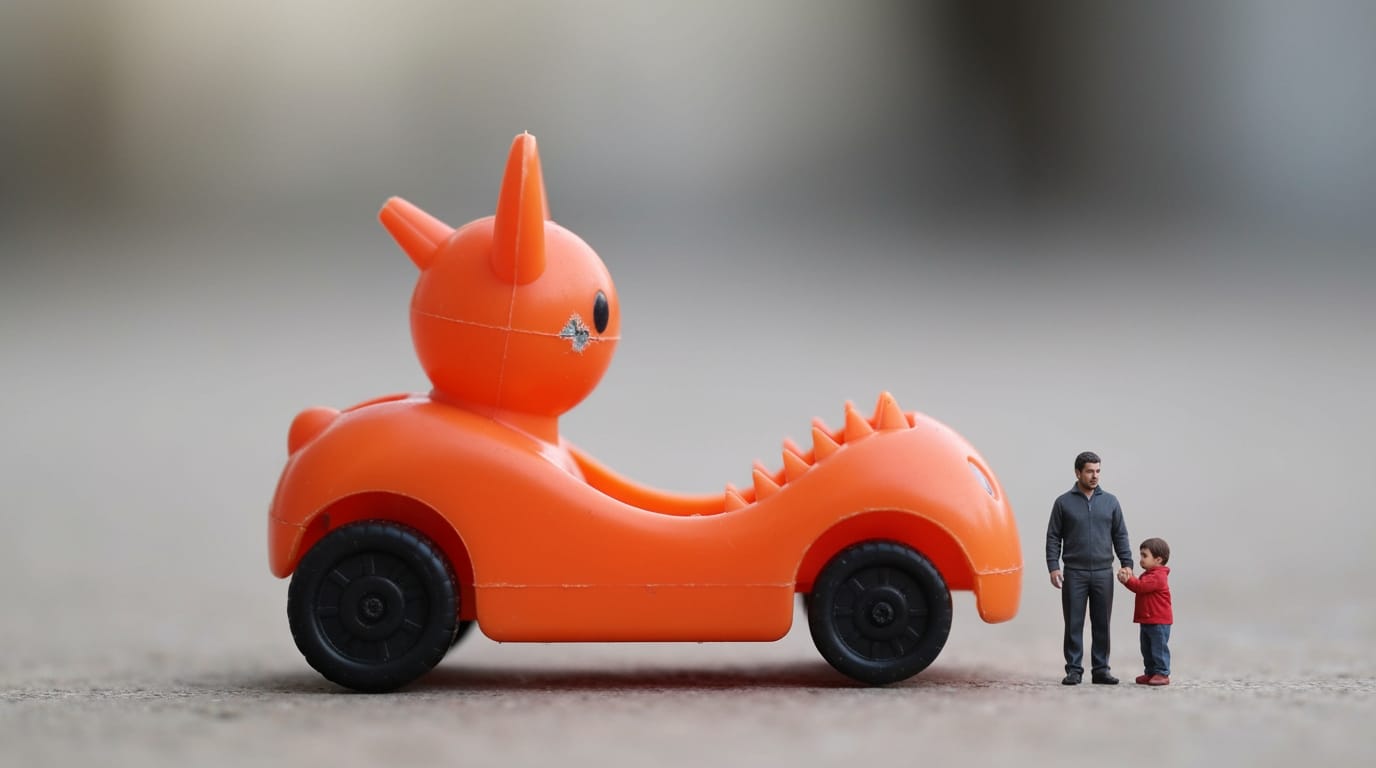
As the festive season approaches, transforming stores and online marketplaces into bustling hubs of gift-giving, a critical warning emerges for consumers: the allure of cheap toys, especially those sourced from less regulated channels, can conceal serious health hazards for children. Beyond the immediate concerns of choking or physical injury, a silent threat of toxic chemicals and unsafe manufacturing practices often accompanies bargain buys, turning holiday cheer into potential danger for the most vulnerable members of the family. The U.S. Consumer Product Safety Commission (CPSC) reported that an estimated 154,700 children under the age of 12 were treated in emergency rooms for toy-related injuries in 2023, with 10 fatalities, underscoring the persistent risks associated with children's playthings.
The Invisible Threat: A Chemical Cocktail
One of the most insidious dangers lurking in cheaply produced toys is the presence of harmful chemicals, often well above legal safety limits. Children are particularly susceptible to chemical exposure due to their developing organ systems, higher metabolic rates, and common hand-to-mouth behaviors. Numerous studies and regulatory actions have repeatedly identified a range of toxic substances in toys.
Phthalates, chemical additives used to soften plastics, are a pervasive concern. They have been linked to a host of developmental and reproductive issues, including hormone disruption, malformation of reproductive organs, and delayed language development. Lead and cadmium, heavy metals often found in paints, metal parts, and even recycled plastics, pose significant neurological and developmental risks. Lead can impair brain development, leading to learning problems and irreversible neurological damage, while cadmium is associated with developmental deficiencies, hormonal effects, altered behavior, and is classified as a carcinogen. Flame retardants, another group of chemicals, can end up in toys, particularly those made from recycled electronic casings, and are known to harm the nervous, hormone, and reproductive systems, as well as adversely affect brain development. Other chemicals like bisphenols (BPA, BPS), volatile organic compounds (VOCs), boron, and formaldehyde are also frequently detected, contributing to a spectrum of health problems from respiratory issues to cancer risks. Consumers should be wary if a toy emits an unusual smell, as this could indicate the presence of harmful chemicals.
Beyond Toxins: Mechanical and Physical Dangers
Beyond chemical contamination, cheap toys frequently present a range of immediate physical hazards. Choking remains a leading cause of toy-related injuries and deaths, often due to small parts, loose components, or toys that easily break into swallowable pieces. Small balls, marbles, and increasingly popular water beads — which can expand significantly if ingested — are specific concerns for young children.
Another critical danger comes from batteries, especially button and lithium coin batteries, which can cause severe internal chemical burns, bleeding, and even death if swallowed. High-powered magnets found in some toys also pose a life-threatening risk; if two or more are swallowed, they can attract each other across intestinal walls, causing perforations and serious internal injuries. Poor manufacturing can also result in sharp edges, exposed screws, and weak construction that leads to easy breakage, turning a seemingly innocuous toy into a potential cutting or puncturing hazard. Furthermore, long strings or cords on toys can pose strangulation risks, and excessively loud toys can contribute to hearing damage in children.
The Online Marketplace Challenge: A Regulatory Labyrinth
The rise of online shopping, particularly from third-party sellers on large e-commerce platforms, has exacerbated the issue of unsafe toys. Many products sold through these channels, especially from non-UK or non-U.S. suppliers, frequently bypass stringent safety regulations applicable to established retailers. Investigations have shown that a significant percentage of toys purchased from online marketplaces fail to meet safety standards. For instance, a recent review found that 80% of unbranded toys from third-party sellers on online platforms failed EU safety standards, posing risks such as choking, strangulation, and exposure to toxic chemicals.
These platforms often connect buyers directly with manufacturers in countries where safety standards are less rigorous or enforcement is weak. Counterfeit toys, designed to mimic popular brands but produced with substandard materials and unsafe practices, also proliferate in this environment. Regulators face an uphill battle in monitoring the vast influx of small parcels, many entering under simplified customs exemptions, making it difficult to intercept dangerous goods before they reach consumers' homes. In fiscal year 2024 alone, the CPSC, in collaboration with U.S. Customs and Border Protection, seized nearly 1.6 million dangerous or illegal toys, with over 100,000 specifically flagged for excessive lead levels.
Safeguarding Festive Fun: Essential Consumer Guidelines
Ensuring children's safety during the holiday season requires heightened vigilance from parents and gift-givers. The CPSC and various consumer safety organizations offer crucial advice to navigate the toy market safely:
-
Buy from Reputable Retailers and Trusted Brands: Stick to well-known stores and established brands, whether shopping in person or online. These entities are generally more accountable for meeting safety standards. Avoid deals that seem "too good to be true" from unknown sellers, as these often indicate a substandard or unsafe product.
-
Check for Safety Labels and Certifications: Look for recognized safety marks such as CE (European Conformity) or UKCA (UK Conformity Assessed) in Europe, and ASTM (American Society for Testing and Materials) in the U.S. These indicate that a product has been tested against relevant safety standards. Also, look for labels like "non-toxic" and "flame resistant/retardant."
-
Adhere to Age Recommendations: Age grades on toy packaging are not merely suggestions about cognitive development but are primarily based on safety factors, especially regarding choking hazards. Toys intended for older children can pose significant risks to younger ones. For children under three, a simple test is to see if any part of the toy can fit through a toilet paper roll; if it can, it's considered a choking hazard.
-
Inspect Toys Thoroughly: Before purchasing or wrapping a gift, inspect it for any loose parts, sharp edges, exposed screws, or weak construction. Ensure battery compartments are securely fastened, ideally requiring a tool to open them. Avoid toys with long strings or cords, and be cautious of strong magnets.
-
Check for Recalls: Regularly consult the CPSC's website (cpsc.gov) for information on recalled toys. Recalled items should be immediately removed from use. Be especially cautious with used or vintage toys, as they may predate current safety standards and contain banned substances like lead.
Conclusion
The joy of giving and receiving toys is a cherished part of the holiday season, but this delight should never come at the expense of a child's health and safety. The proliferation of cheap, unregulated toys, particularly through less scrupulous online channels, has introduced a complex layer of risk that demands consumer vigilance. By prioritizing reputable sources, scrutinizing safety labels, adhering to age guidelines, and conducting thorough inspections, parents and gift-givers can play a crucial role in preventing exposure to toxic chemicals and mitigating physical hazards. A little caution and informed decision-making can ensure that the magic of Christmas remains untainted by preventable dangers, safeguarding children's well-being for seasons to come.