Hong Kong's Public Memory Under Siege: Tiananmen Vigil Organizers Convicted of Subversion
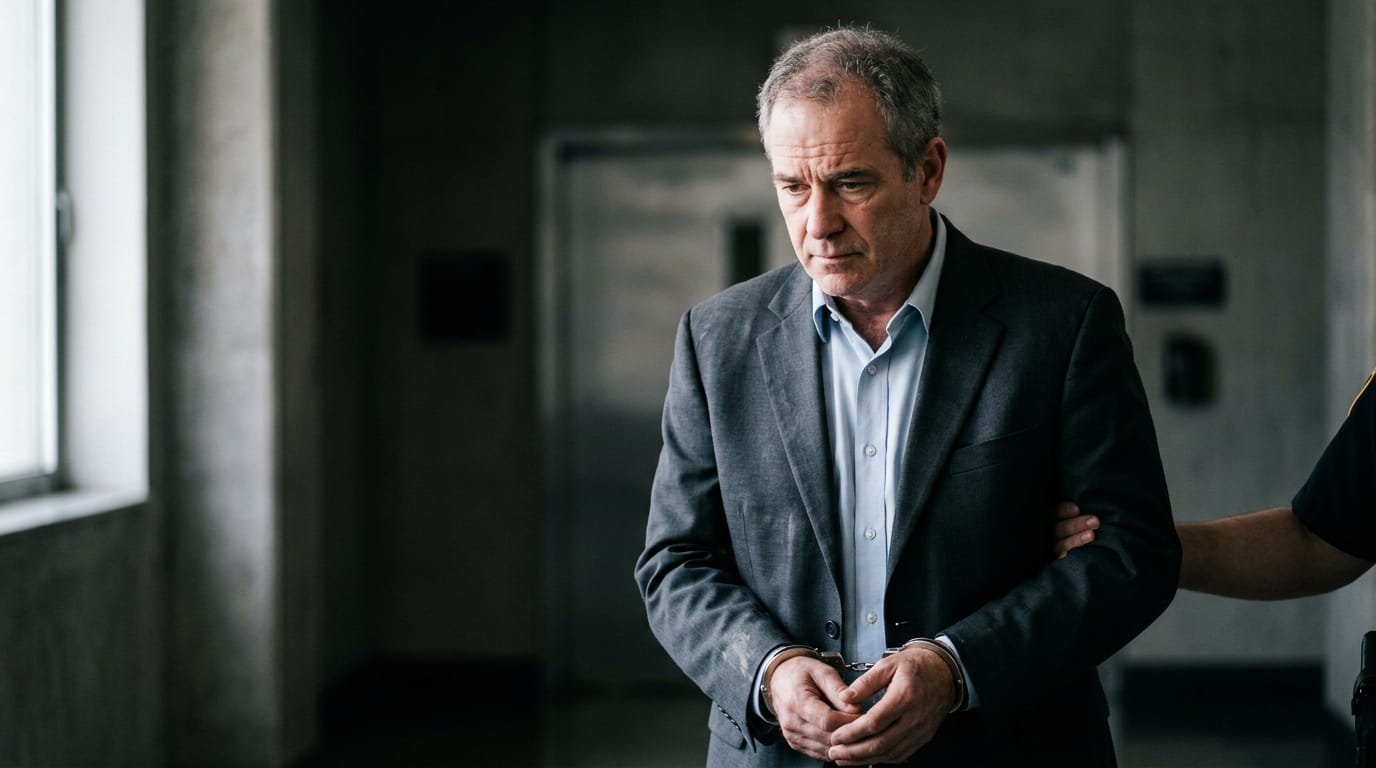
HONG KONG – In a move widely seen as a definitive blow to freedom of expression and historical memory in the semi-autonomous city, a Hong Kong court on Friday convicted two prominent organizers of the city's long-banned Tiananmen Square vigil on charges of inciting subversion under the Beijing-imposed National Security Law. Lee Cheuk-yan and Chow Hang-tung, former leaders of the Hong Kong Alliance in Support of Patriotic Democratic Movements of China, were found guilty following a trial that has underscored the city's rapidly shrinking civic space and China's assertive grip on the former British colony. The verdict marks a somber moment for a city that, for decades, stood as the sole place on Chinese soil where public commemoration of the 1989 Tiananmen crackdown was openly tolerated, now signaling an official erasure of a pivotal historical event from Hong Kong's public consciousness.
The Verdict: Silencing a Symbol of Dissent
Lee Cheuk-yan and Chow Hang-tung, both seasoned activists, stood accused of inciting subversion, a serious offense under the national security legislation that carries a maximum penalty of 10 years in prison. The Hong Kong Alliance in Support of Patriotic Democratic Movements of China, the organization they led, was also found guilty of the same charge. Both individuals had pleaded not guilty to the charges, which were first leveled against them in 2021. The verdict, handed down by a panel of judges, marks the culmination of a legal battle that has drawn international scrutiny and condemnation from human rights advocates.
For over three decades, the annual candlelight vigil held in Hong Kong's Victoria Park served as a powerful symbol of the city's distinct freedoms and its commitment to remembering the victims of the 1989 crackdown in Beijing. Tens of thousands routinely gathered, creating a poignant scene unmatched anywhere else in China. However, this tradition was abruptly halted in 2020, ostensibly due to COVID-19 restrictions, just weeks before Beijing enacted the sweeping National Security Law. Critics argue that the ban and subsequent convictions are part of a broader strategy to systematically dismantle the city's pro-democracy movement and align its political and historical narratives more closely with mainland China. The judges' reasons for the conviction are expected to be made public at a later date, with sentencing for both activists anticipated in the coming weeks.
The Pervasive Reach of the National Security Law
The convictions of Lee and Chow are but the latest in a series of landmark cases prosecuted under the National Security Law (NSL), which Beijing imposed on Hong Kong on June 30, 2020. This comprehensive legislation bypassed Hong Kong's local legislature and was enacted in response to the massive anti-government protests that swept the city in 2019. The law criminalizes four broad categories of offenses: secession, subversion, terrorism, and collusion with foreign forces, with penalties ranging up to life imprisonment.
The NSL introduced fundamental changes to Hong Kong's legal landscape, significantly altering due process safeguards that were once hallmarks of the city's common law system. For instance, the law replaced the presumption of bail with a presumption against it in national security cases, leading to extended pre-trial detentions for many defendants. Furthermore, the Secretary for Justice can waive the right to a jury trial in national security cases, a power that has been exercised in all such trials before the High Court, meaning cases are decided by handpicked judges. This, combined with a consistently high conviction rate—reportedly 91% of those charged since 2020 have been convicted—has fueled concerns about the fairness and impartiality of the judicial process in national security matters. The law also possesses extraterritorial reach, allowing for the prosecution of individuals for actions committed outside Hong Kong. In March 2024, Hong Kong further tightened its security apparatus by enacting its own domestic national security legislation, known as Article 23, which complements the NSL and introduces additional offenses, further restricting human rights and reportedly even imposing a "duty to spy" on citizens.
The "Hong Kong 47" Trial: A Precedent for Political Disenfranchisement
The convictions of the Tiananmen vigil organizers follow another monumental national security trial, that of the "Hong Kong 47," which saw 45 pro-democracy politicians and activists convicted of "conspiracy to commit subversion" in November 2024. These individuals were charged for their involvement in an unofficial primary election held in 2020, which aimed to select the strongest pro-democracy candidates for legislative council elections. Prosecutors argued that their plan to potentially gain a majority in the legislature and use it to block government budgets constituted an attempt to "subvert state power" and paralyze the government.
The "Hong Kong 47" case, which involved the largest mass prosecution under the NSL, resulted in sentences ranging from four years and two months to 10 years in prison for the 45 convicted individuals, 14 of whom were found guilty after pleading not guilty, and 31 who had pleaded guilty earlier. Among those convicted were prominent figures such as Benny Tai, described by the court as the "mastermind" of the primary election, and former lawmakers like Helena Wong and Leung Kwok-hung, known as "Long Hair". While two defendants were acquitted, the government quickly moved to appeal those decisions, indicating a firm stance against any perceived challenges to its authority. The Court of Appeal dismissed all appeals arising from this case in February 2026, solidifying the initial convictions and sentences.
Eroding Autonomy and International Outcry
These successive convictions underscore a profound transformation in Hong Kong's political landscape, signaling a sharp departure from the "one country, two systems" framework that was meant to guarantee the city a high degree of autonomy and an independent judiciary for 50 years after its return to Chinese rule in 1997. Human rights organizations and Western governments have consistently voiced strong concerns about the application of the National Security Law, arguing that it has been used to target peaceful dissent and curtail fundamental freedoms.
Human Rights Watch, Amnesty International, and spokespersons from the UN Human Rights Office have condemned the broad application of the law, highlighting its impact on democratic processes and rule of law. Australia and the United Kingdom have also expressed deep concerns, stating that such verdicts tarnish Hong Kong's international reputation and send a message that meaningful participation in peaceful political debate is no longer safe. The cumulative effect of these legal actions has been a chilling effect on civil society, with numerous organizations disbanding, media outlets closing, and a pervasive climate of self-censorship taking hold.
Conclusion: A New Era for Hong Kong's Freedoms
The conviction of Lee Cheuk-yan and Chow Hang-tung on charges of inciting subversion, particularly for their role in organizing the Tiananmen vigil, represents more than just another legal outcome under the National Security Law. It symbolizes the closing of a chapter in Hong Kong's history, where the city once proudly upheld freedoms and commemorated events that remain taboo on the mainland. Coupled with the mass convictions in the "Hong Kong 47" case and the broader impact of the NSL and Article 23, these developments paint a clear picture of a city where political dissent is increasingly criminalized and historical memory is being actively reshaped. As Hong Kong navigates this new era, the international community continues to watch, assessing the long-term implications for the city's unique identity and its future as a global hub.


