Hope Dawns on Iran War: Trump and Pakistan Tease Imminent Peace Deal Amid Lingering Doubts
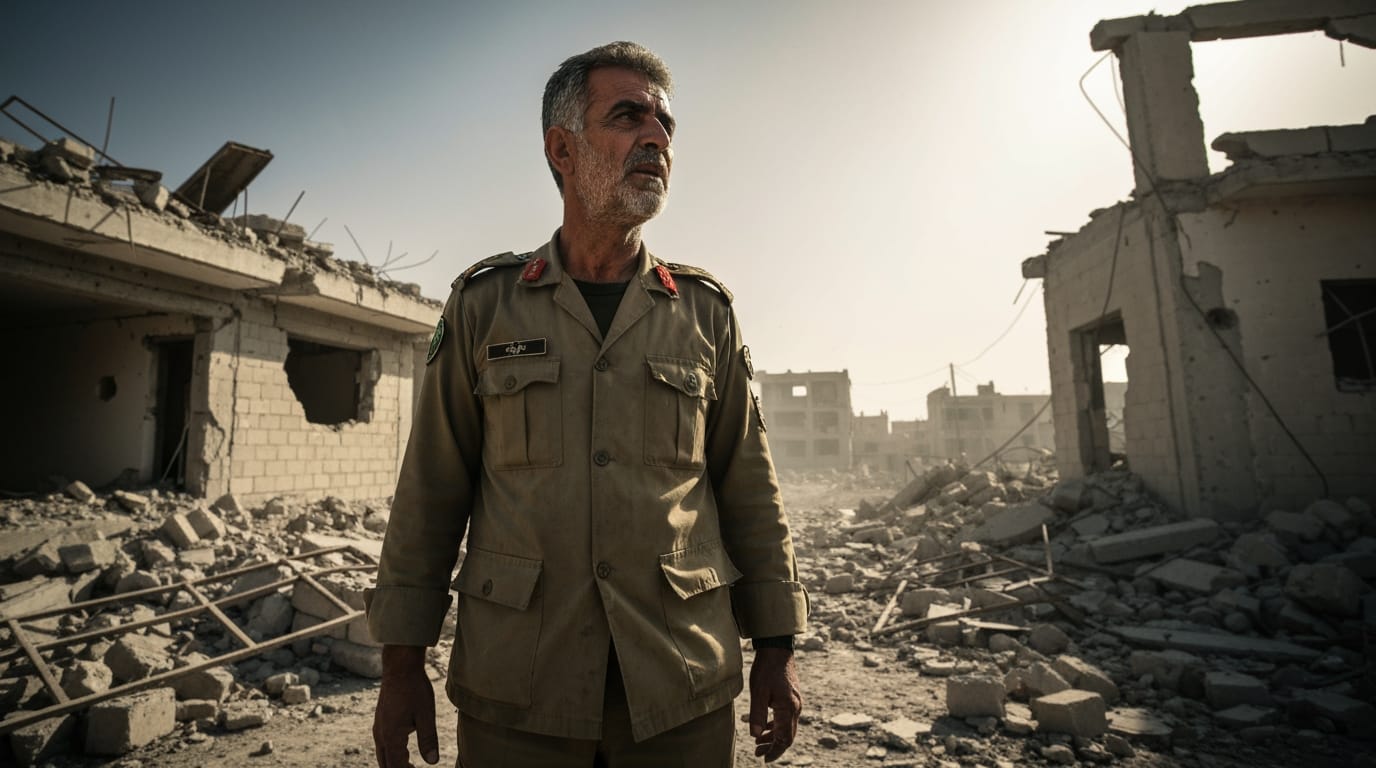
Islamabad, Pakistan – After months of escalating tensions and a fragile ceasefire, a historic peace agreement to end the conflict between the United States and Iran appears to be on the cusp of realization, with key mediator Pakistan and U.S. President Donald Trump signaling that a memorandum of understanding could be signed as early as Sunday. However, despite the surge in diplomatic optimism, significant points of contention and internal skepticism within Iran cast a cloud over the certainty and longevity of any forthcoming accord.
The prospect of a breakthrough comes after a period of intense mediation spearheaded by Pakistan, which has positioned itself as a crucial interlocutor between Washington and Tehran. The purported deal aims to de-escalate a conflict that began on February 28, initiated by U.S. and Israeli airstrikes on Iranian leadership, leading to Iranian retaliation and widespread regional instability. The world watches keenly as high-stakes negotiations seek to avert further bloodshed and restore stability to the volatile Middle East.
The Brink of a Breakthrough: Signs of an Impending Agreement
Optimism surrounding a potential deal reached new heights this weekend. U.S. President Donald Trump, in statements on social media, declared that a deal to end the war was set for electronic signing on Sunday, assuring that the critical Strait of Hormuz would immediately reopen to all shipping. This assertion followed repeated threats earlier in the week where Trump had warned of seizing Iran's oil industry if an agreement wasn't reached.
Echoing this sentiment, Pakistani Prime Minister Shehbaz Sharif announced on social media that a "final, agreed upon text" of a peace deal had been reached between the U.S. and Iran. He stated that Pakistan was actively working with both sides to finalize the next steps, expressing profound hope that "peace has never been this close." Pakistan's Foreign Ministry confirmed that an electronic signing ceremony was indeed scheduled for Sunday, though without divulging specific details.
Iranian Foreign Minister Abbas Araghchi also contributed to the cautious optimism, stating on Friday that an agreement "has never been closer." However, a spokesperson for Iran's foreign ministry, Esmail Baghaei, tempered expectations regarding the immediate signing, noting that while the likelihood of finalizing the memorandum of understanding in the coming days was high, it "will not happen tomorrow." This slight divergence in timelines highlights the complex internal dynamics at play within Tehran as the deal progresses.
Pakistan's Pivotal Role in Peacemaking
Pakistan’s emergence as the primary mediator between the U.S. and Iran has surprised many observers, given its own domestic challenges and sometimes volatile relationship with the U.S. Yet, Islamabad has skillfully leveraged its unique geopolitical position, maintaining strong ties with both the Trump administration and Iran, with which it shares a long border. This dual relationship has allowed Pakistan to facilitate crucial back-channel communications and direct talks, bridging the diplomatic chasm between Washington and Tehran.
Under the leadership of Prime Minister Shehbaz Sharif and Field Marshal Asim Munir, Pakistan has actively passed messages, hosted regional powers, and convened meetings aimed at de-escalating the conflict. This mediation role intensified after the conflict began, leading to a fragile ceasefire on April 7, which Pakistan was instrumental in brokering and later extending indefinitely. Pakistan's efforts are driven by concerns over regional spillover from the conflict, which threatens its own economic interests and inflames domestic tensions, particularly among its Shia population. Its close strategic partnership with China, also concerned about Middle East instability, further strengthens its mediating influence.
Contentious Points and Conflicting Narratives
Despite the celebratory tone from some quarters, the details of the agreement remain complex and subject to conflicting interpretations, particularly concerning critical elements.
One of the foremost issues is the future of the Strait of Hormuz. President Trump has unequivocally stated that the vital waterway, which Iran had previously controlled since the war's outset, would open immediately upon the deal's signing. This stance directly contradicts earlier Iranian demands that it would maintain control or impose conditions on passage. The U.S. had previously enforced a naval blockade on Iranian ports in response to Iran's actions in the strait, and the lifting of this blockade is a key Iranian demand.
The nuclear issue, a long-standing source of international concern, also presents a nuanced picture. Iranian Foreign Minister Araghchi indicated that the current memorandum of understanding primarily focuses on ending the war, with nuclear discussions to be set aside for later talks, potentially a 60-day period following the initial signing. During this subsequent period, technical details for "downblending and destroying" Iran's enriched uranium would be worked out, potentially either in Iran or the U.S., as suggested by Trump. However, Trump had previously claimed that an agreement on nuclear issues was conceptually secured.
Furthermore, the lifting of sanctions and release of frozen funds are crucial components for Iran. While officials suggest the deal involves the phased lifting of sanctions and access to billions in frozen assets, President Trump has asserted that no money would change hands under the agreement. This discrepancy highlights potential misunderstandings or deliberate ambiguities in the public messaging from both sides.
Israel, a key U.S. ally, remains outside the negotiations. Israeli Prime Minister Benjamin Netanyahu has affirmed that Israel is not a party to the deal and expects Trump to uphold Israeli interests, including weakening Iran’s missile program and proxy networks. Israel has also stated it will not withdraw from occupied territories, a point that has fueled Iranian anger, particularly concerning ongoing Israeli actions in Lebanon.
Deep-Seated Doubts and Internal Resistance
Despite the diplomatic flurry, deep-seated doubts and internal resistance could still derail the fragile peace process. A significant stumbling block remains the lack of full endorsement from Iran's security and military establishment, particularly circles within the Islamic Revolutionary Guard Corps (IRGC), which have yet to approve the preliminary deal. This internal division within Tehran raises questions about the regime's unified commitment to the agreement.
Historical distrust also plagues the negotiations. Iranian officials and the public remain wary, citing past instances where talks with the U.S. led to renewed attacks or failed to secure lasting commitments. The memory of previous ceasefire violations and recent Israeli actions, which Iran insists fall under the ceasefire agreement but Washington disputes, fuels this skepticism. There is a persistent concern among the Iranian public that any deal might be a facade, lacking genuine commitment from the U.S. and its allies. Tehran has also demanded additional guarantees, reflecting its lack of trust in President Trump's reliability.
Moreover, contradictory statements from Washington and Tehran about the deal's terms and timeline contribute to the uncertainty, leaving observers to ponder the true extent of common ground. This environment of mixed signals makes it challenging to assess the sincerity of all parties and the likelihood of successful implementation.
Awaiting a Fragile Peace
As the world awaits an official signing, the prospect of a U.S.-Iran peace deal, mediated by Pakistan, represents a moment of cautious hope amidst profound skepticism. The agreement, if finalized, promises to reopen crucial waterways, potentially ease crippling sanctions on Iran, and de-escalate a conflict that has ravaged the Middle East. However, the complex interplay of differing objectives, internal political currents, and historical mistrust underscores the fragility of the moment.
The coming days will be critical. Should the electronic signing proceed as anticipated, the real test will lie in the implementation of the agreement, particularly regarding contentious issues like the Strait of Hormuz and Iran's nuclear program. The path to a durable peace in the region remains arduous, demanding sustained diplomatic effort and genuine commitment from all parties involved.


