Ukraine Intensifies Long-Range Strikes, Targeting Russia's Industrial Backbone
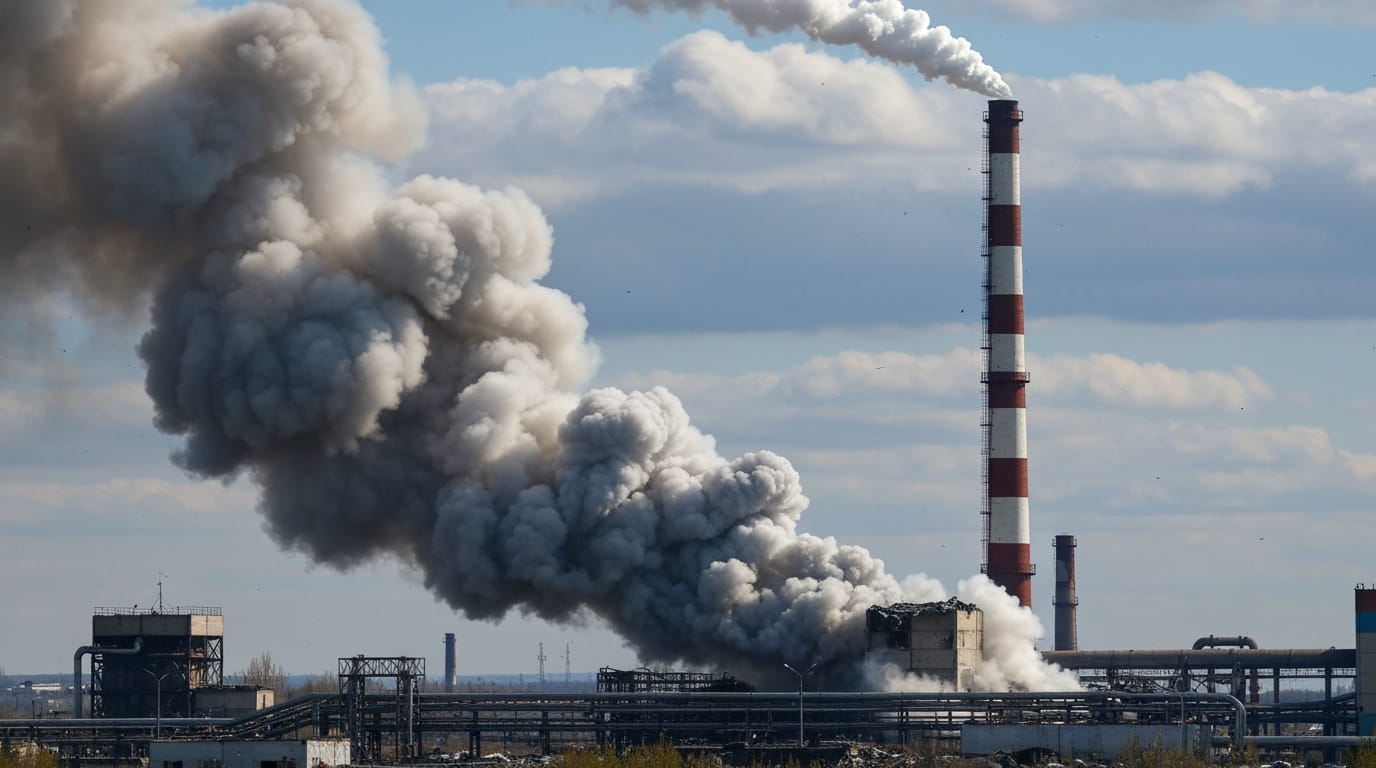
KYIV, Ukraine – Ukraine has dramatically escalated its long-range offensive against Russia, unleashing a wave of drone and missile attacks that have targeted critical industrial facilities deep within Russian territory. These recent strikes, occurring over several days in mid-June, have hit oil refineries, chemical plants, and military production sites, signaling a strategic shift by Kyiv to degrade Moscow's war-making capabilities and inflict significant economic costs on the Kremlin. The sustained campaign represents a concerted effort to disrupt Russian supply lines, diminish fuel production, and undermine the military-industrial complex that underpins Russia's ongoing invasion.
The Scope of the Offensive: Industrial Targets Across Russia
The multi-pronged Ukrainian offensive has stretched across numerous Russian regions, reaching hundreds of kilometers from the front lines. On June 14, Ukrainian long-range strike drones initiated a multi-regional operation that reportedly targeted the "Azot" chemical plant in Novomoskovsk, Tula Oblast, a facility crucial for supplying raw materials used in Russian artillery shell explosives. Independent open-source intelligence analysts corroborated a fire at the Azot plant, one of Russia's largest chemical producers, which manufactures both fertilizers and components for ammunition. Concurrently, drone strikes also affected a railway depot in Vyazma and the "Temp" state reserve fuel storage complex in Rybinsk, Yaroslavl region, a site utilized by the Russian state to hoard strategic fuel reserves for military use. The Ukrainian Security Service (SBU) indicated that the fuels stored at Rybinsk, including gasoline and diesel, are legitimate targets due to their role in supplying the Russian army.
Prior to these incidents, on June 12, Ukrainian drones reportedly struck two oil refineries in Tatarstan and a significant rubber plant in Samara Oblast, specifically identifying targets such as Nizhnekamskneftekhim, Russia's largest producer of synthetic rubber and plastics, and the Taneco oil refinery. These followed a June 11 strike that damaged the Afipsky Oil Refinery in Krasnodar Krai, a major oil processing facility in southern Russia. Earlier in the week, on June 10, Ukrainian attacks extended to a military factory in Cheboksary, Chuvashiya region, which Kyiv claimed produces antennas for drones and missiles, utilizing domestically produced FP-5 Flamingo long-range missiles. Additional strikes on June 8 targeted the Grushevaya oil depot in Krasnodar Krai, part of the crucial Sheskharis transshipment complex, resulting in fires and damage to oil tanks and related infrastructure. Russian authorities consistently reported downing numerous drones, with the Defense Ministry claiming 326 interceptions on June 10, 231 on June 12, and 249 on June 14 across various regions.
Strategic Imperatives: Disrupting the War Economy
Ukraine's intensified long-range campaign is rooted in a clear strategic objective: to directly challenge Russia's capacity to wage war. These strikes aim to raise the financial and logistical costs for the Kremlin by systematically targeting critical energy facilities and military industries. Ukrainian officials have openly stated that the weakening of Russia's oil industry has become a core strategic goal, aiming to reduce the substantial revenues Moscow derives from oil and gas, which historically constitute a significant portion of its budget and fund military operations. By disrupting production and export capabilities, Ukraine seeks to diminish Russia's financial lifeline for the conflict.
The tactical approach has evolved, with Ukraine increasingly relying on domestically produced long-range drones and missiles to reach targets deep inside Russia. Analysts have noted a shift towards targeting specialized bottlenecks within refineries, such as hydrocrackers, which are sophisticated components difficult and time-consuming to replace, especially under Western sanctions. This targeted approach maximizes disruption, as damage to these specific units has a far greater economic impact than strikes on simpler, more easily replaceable assets. Furthermore, Ukraine has reportedly adopted a tactic of repeatedly attacking the same facilities to hinder repair efforts and extend operational downtime, a trend observed more frequently in 2026. Ukrainian President Volodymyr Zelenskyy has framed these actions as a "completely fair response" to the daily bombardments impacting Ukrainian cities, emphasizing that the war is increasingly returning to Russian territory.
Economic Strain and Russian Responses
The cumulative effect of these strikes has begun to register tangible economic and logistical impacts within Russia. Russia's Energy Ministry has acknowledged "temporary complications in supplies" within the fuel and energy sector due to an increase in "enemy air attacks." Russian Deputy Prime Minister Aleksandr Novak also admitted a fall in oil production attributed to "unscheduled maintenance" at refineries. Reports indicate that Russian oil refinery production was 15% lower this spring compared to the previous year, contributing to domestic fuel shortages and even long queues at gas stations in Russian-occupied Crimea.
Analysts suggest that approximately 20% to 25% of Russia's refining capacity has been taken offline, at least temporarily, due to these attacks. The damage to affected facilities, including those near Moscow, has prompted Russia to consider temporary halts to diesel and jet fuel exports, a move that would significantly reverse a crucial revenue stream. The International Energy Agency projected a substantial drop in Russian refinery throughput for the second quarter, citing infrastructure damage and export restrictions. Beyond the economic toll, the strikes force Russia to divert valuable air defense resources to protect its industrial heartland, potentially impacting its military operations elsewhere. President Putin has openly admitted the need for improved air defenses to counter the escalating drone threat.
Broader Implications and Future Trajectory
The ongoing Ukrainian campaign against Russian industrial facilities marks a critical phase in the conflict, highlighting Ukraine's evolving asymmetric warfare strategy. The frequency and reach of these attacks have increased significantly, with more deep strikes reported in 2025 than in the preceding three years combined, and projections indicating an even higher number for 2026. This sustained pressure aims to directly impede Russia's ability to finance and sustain its military efforts, while also generating domestic discomfort within Russia by bringing the realities of the conflict closer to ordinary citizens.
While the immediate long-term effects on global energy markets remain a complex consideration, the strategic intent from Kyiv is clear: to maintain and intensify pressure on Russia's economic and military infrastructure. The ongoing adaptation of Ukrainian strike capabilities, combined with the strategic targeting of critical, hard-to-replace components within Russian industry, suggests that this deep strike campaign will remain a prominent feature of the conflict. The success of these operations continues to shape the battlefield dynamics, underscoring the critical role of innovative long-range capabilities in Ukraine's defense.


