Horrific Accounts Emerge: Ukrainian Women Endure Torture, False Arrests in Russian Captivity
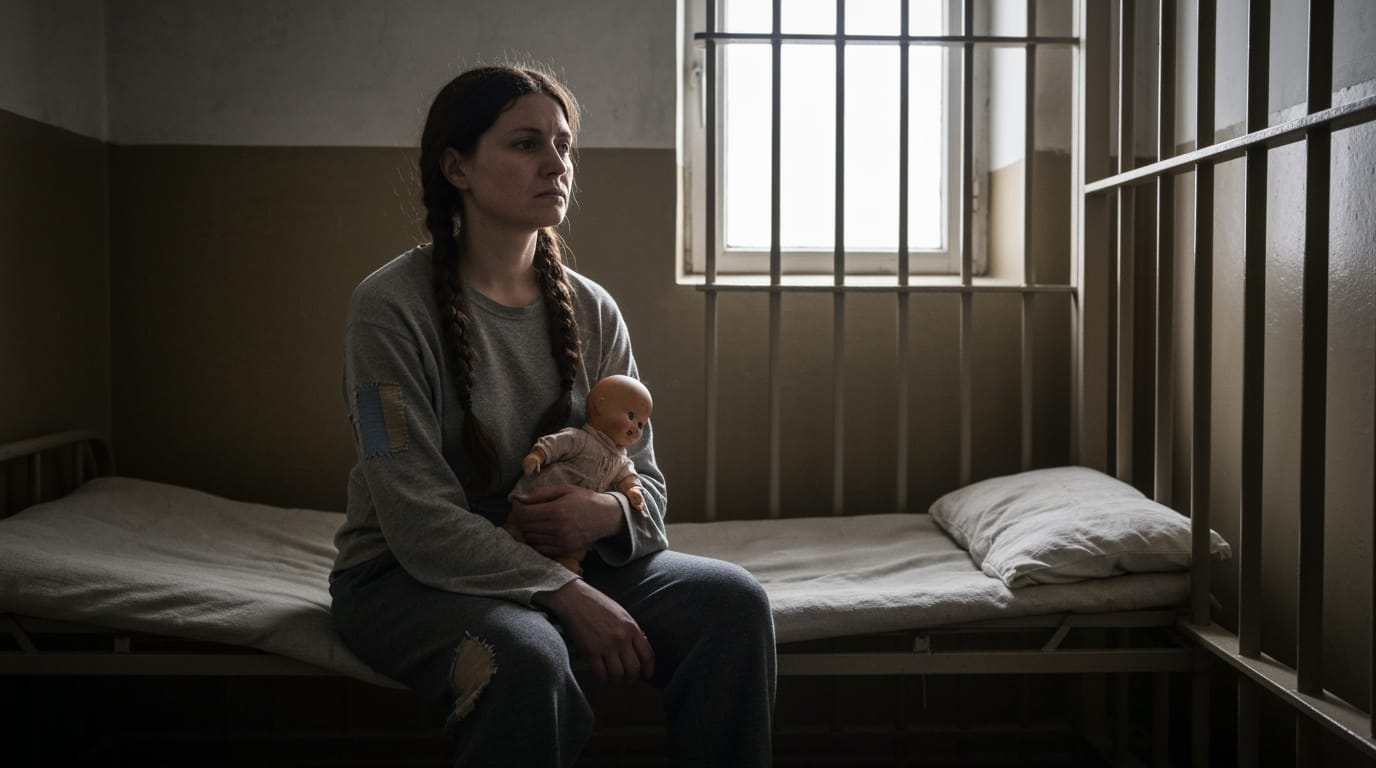
Reports from human rights organizations and former detainees reveal a harrowing pattern of abuse against Ukrainian women held in Russian prisons, detention centers, and occupied territories. These women, both military personnel and civilians, face systematic torture, inhumane conditions, and often endure arbitrary arrests based on fabricated charges, marking a grave violation of international humanitarian law. Their testimonies paint a grim picture of physical and psychological torment, denial of basic rights, and a deliberate campaign of cruelty within Russian custody.
A System of Torment and Degradation
Testimonies from numerous Ukrainian women who have endured Russian captivity describe a brutal system designed to break their spirit and extract false confessions. Former detainees recount experiencing severe beatings, electric shock torture, and prolonged periods of forced standing. The deprivation of fundamental human dignities is rampant; women are often denied adequate food, hygiene products, and essential medical care, leading to severe health deterioration and long-term consequences. Some report being stripped naked, forced to march in the snow, and compelled to sing the Russian anthem as a form of psychological abuse.
One particularly disturbing account from a 53-year-old former servicewoman, Larysa, detailed her seven-month ordeal. She was allegedly forced to stand for 12 hours daily, beaten with an iron pipe, and subjected to profound humiliation. Combat medic Valentyna Zubko, 30, captured during the defense of Mariupol, reported being held in an overcrowded cell with 15 other women, fed only diluted porridge, and subjected to beatings and electric shocks during interrogations. The impact of such treatment extends beyond physical wounds, leaving deep psychological scars that can hinder their reintegration into normal life.
Arbitrary Detentions and Fabricated Charges
The arrests of these Ukrainian women frequently appear arbitrary, with many detained on charges that lack substantiation. Accusations range from terrorism and espionage to adjusting fire for Ukrainian forces or collaborating with the Ukrainian military. In some cases, women are reportedly apprehended merely for having relatives serving in the Ukrainian military or for possessing Ukrainian patriotic symbols.
Victoria Andrusa, a math teacher, was kidnapped by Russian soldiers and accused of being a spotter, subsequently enduring beatings and humiliation during her captivity. Lyudmila Huseynova, a human rights activist detained in 2019, spent over three years in Russian torture chambers. She recounted sexual assault and witnessed the rape of other female prisoners. Her lack of medical attention resulted in a 70% loss of her eyesight. These detentions often lead to enforced disappearances, as families are frequently left without any information regarding the whereabouts or condition of their loved ones, sometimes for months or even years.
International Condemnation and Lack of Access
International bodies, including the United Nations, have repeatedly condemned Russia's treatment of Ukrainian prisoners. The UN Human Rights Monitoring Mission in Ukraine (HRMMU) has documented widespread torture, ill-treatment, and sexual violence against Ukrainian prisoners of war, including women. These reports highlight how sexual violence is used as a method of torture, with new cases specifically detailing rape and other acts of sexual violence against detained women, alongside inhumane conditions that underscore the gendered nature of the abuse.
A critical barrier to monitoring and addressing these human rights abuses is Russia's systematic restriction of access for the International Committee of the Red Cross (ICRC). Despite the ICRC's mandate under the Geneva Conventions to visit prisoners of war, Russia has consistently denied them free and unhindered access to detention facilities in both Russia and occupied Ukrainian territories. Reports indicate that on the rare occasions visits are permitted, Russia manipulates the process by presenting only those prisoners in relatively good health, effectively concealing the sick, injured, and those who have been subjected to severe ill-treatment. This denial of access not only violates international law but also obstructs efforts to provide humanitarian aid and verify the conditions of detention, leaving hundreds of Ukrainian women unaccounted for or suffering in secret.
The Lasting Impact and Call for Accountability
The experiences of Ukrainian women in Russian captivity underscore a profound human tragedy stemming from the ongoing conflict. The physical wounds heal, but the psychological scars often remain, manifesting as depression, anxiety, and long-term trauma. The stories of survival, like those of Tetyana Tipakova, who was beaten with hands, feet, a book, and a wooden stick, highlight the immense resilience required to endure such brutality. However, for some, the captivity proves fatal. Journalist Victoria Roshchina was tortured in a pre-trial detention center and subsequently died in custody, her body reportedly returned without certain organs, making it nearly impossible to determine the precise cause of death.
As the conflict persists, the number of Ukrainian women held in Russian detention remains a significant concern, with estimates suggesting over 400 may still be held. The consistent reports of torture, false arrests, and the denial of international oversight demand urgent attention from the global community. Ensuring accountability for these crimes and securing the release and proper rehabilitation of these women is a critical imperative for upholding human rights and international law.


