Horrific Strike on Sudanese Hospital Kills Dozens, Worsening Dire Humanitarian Crisis
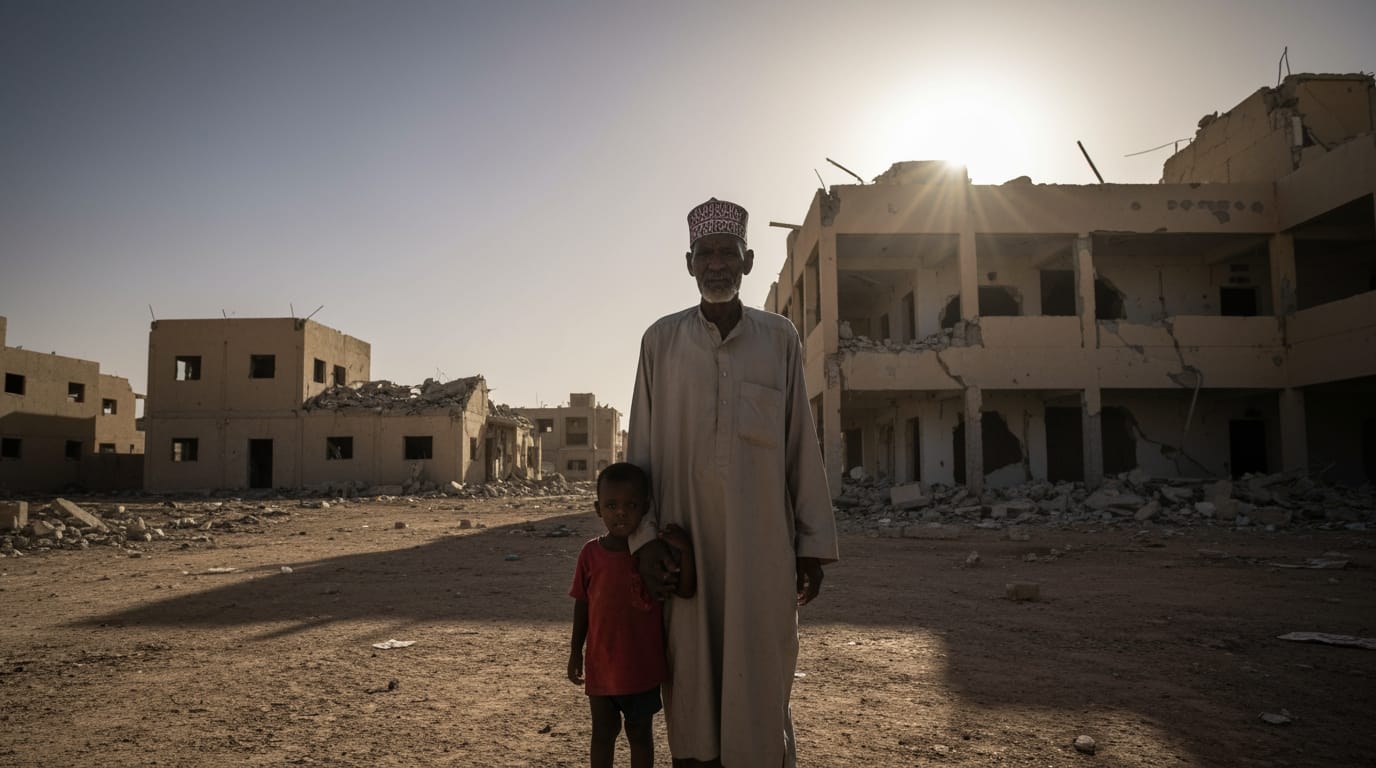
El-Daein, East Darfur, Sudan – A drone strike on El-Daein Teaching Hospital in East Darfur on the night of March 20, 2026, has resulted in the deaths of at least 64 people and left 89 wounded, according to verified reports from the World Health Organization (WHO). This devastating attack, which claimed the lives of 13 children, two female nurses, and one male doctor, has rendered the facility completely non-functional, eliminating the sole public medical center in El-Daein and severing life-saving services for hundreds of thousands of civilians. The incident marks a severe escalation in the ongoing civil war between the Sudanese Armed Forces (SAF) and the paramilitary Rapid Support Forces (RSF), drawing widespread international condemnation and renewed calls for the protection of civilians and adherence to international humanitarian law.
The Attack on El-Daein: A Blow to Civilian Life
The drone strike targeted the emergency department of El-Daein Teaching Hospital, causing extensive damage to crucial areas including the pediatric and maternity wards, and a stabilization center vital for treating acutely malnourished children. This critical medical infrastructure, which had received support from organizations like CARE since 2015, now lies in ruins, highlighting the catastrophic impact on an already strained healthcare system. The Sudanese rights group "Emergency Lawyers" attributed the strike to an army drone. While the Rapid Support Forces (RSF) have blamed the military for the attack, military officials, speaking anonymously, suggested the strike was aimed at a nearby police station. The WHO, while verifying the incident as "violence with heavy weapons" affecting a secondary healthcare facility, medical personnel, patients, and supplies, does not attribute blame in its surveillance reports. This attack is reportedly the second drone strike in Al-Daein within two weeks, indicating a disturbing pattern of targeting civilian infrastructure in the region.
Sudan's Healthcare System Under Constant Assault
The destruction of El-Daein Teaching Hospital is not an isolated event but rather another grim chapter in a relentless assault on Sudan's healthcare infrastructure since the conflict erupted in April 2023. Hospitals and medical facilities have become regular targets in the protracted war. The World Health Organization confirms that over 2,000 people have been killed in 213 attacks on healthcare facilities throughout the nearly three-year conflict. This figure includes 173 health workers, according to UN data from December. In 2025 alone, Sudan experienced 141 reported incidents of conflict-related violence impacting healthcare, resulting in the deaths of at least 53 health workers and the kidnapping of nine others. These persistent attacks have pushed Sudan's healthcare system to the brink of collapse, with up to 80% of health facilities in conflict-affected states having ceased operations. Those remaining struggle with severe shortages of staff, medicine, and essential supplies, leaving millions without access to vital medical care.
A Broadening Humanitarian Catastrophe
The conflict between the Sudanese Armed Forces and the Rapid Support Forces, now approaching its third anniversary, has plunged Sudan into a profound humanitarian crisis, recognized by the United Nations as the world's largest displacement and hunger crisis. The war has claimed the lives of over 40,000 people, with aid groups suggesting the true number could be significantly higher due to underreporting. Approximately 12 million people have been forced to flee their homes, contributing to widespread displacement and exacerbating disease outbreaks due to the breakdown of medical infrastructure. More than 33 million individuals are in dire need of humanitarian assistance. Beyond direct casualties, the conflict has been characterized by targeted violence against specific ethnic communities and alarming levels of gender-based violence. Aid workers have reported systematic blockades in the capital, Khartoum, and indiscriminate violence in regions like West Darfur, making it exceedingly difficult to maintain neutrality and deliver essential aid. The destruction of facilities like El-Daein Teaching Hospital further cripples the capacity to respond to overwhelming needs, compounding the suffering of a population already enduring immense hardship.
International Outcry and Demands for Accountability
The international community has reacted with strong condemnation to the attack on El-Daein Teaching Hospital. The head of the World Health Organization emphasized that "enough blood has been spilled," calling for a de-escalation of the conflict and the protection of civilians, health workers, and humanitarians. The UN humanitarian office in Sudan expressed its dismay, highlighting the casualties, including children. The International Organization for Migration (IOM) echoed these concerns, with its Director General stating that the incident "underscores the devastating toll the conflict in Sudan continues to take on civilians." Organizations like CARE and the Sudan INGO Forum have reiterated that health facilities, patients, and medical personnel must never be targeted, urging all parties to the conflict to uphold their obligations under international humanitarian law. They have called for an immediate cessation of attacks on critical civilian infrastructure and safe, rapid, and unhindered humanitarian access to all populations in need. The international community is also being urged to increase humanitarian funding to mitigate severe gaps created by program closures and sustain life-saving services.
The latest attack on El-Daein Teaching Hospital serves as a stark reminder of the devastating human cost of the ongoing conflict in Sudan. It illustrates the blatant disregard for international humanitarian law and the profound impact on a civilian population already struggling with massive displacement, hunger, and a collapsing healthcare system. As global attention remains fragmented across multiple crises, the urgent and escalating needs of Sudan's people demand renewed focus and decisive action from all parties involved and the international community to protect lives, uphold humanitarian principles, and pave the way for an end to the brutal war.


