Hostages Dead as Pakistan Train Siege Ends in Balochistan
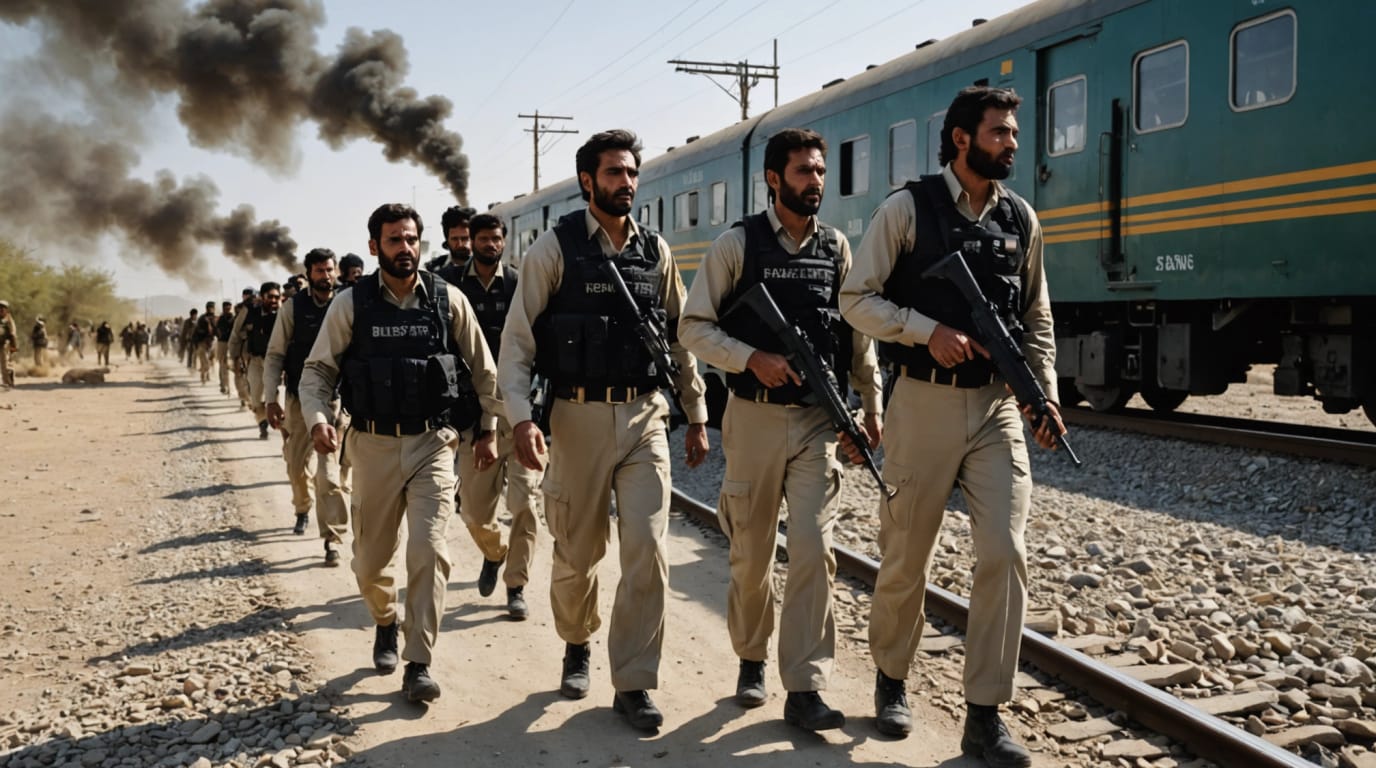
In a bloody conclusion to a two-day siege, Pakistani security forces stormed a train in the restive Balochistan province, freeing some hostages while also resulting in fatalities among both civilians and militants. The Jaffar Express, en route from Quetta to Peshawar, was attacked Tuesday by insurgents seeking Balochistan's independence, leading to a standoff that gripped the nation.
The Balochistan Liberation Army (BLA), a militant group fighting for greater autonomy for the Balochistan province, claimed responsibility for the attack. The BLA stated they had taken over 200 passengers hostage after bombing the railway track and storming the train. Their demands included the release of Baloch political prisoners and those who have allegedly disappeared after being taken into custody by the military. The group threatened to kill all hostages if their demands were not met and security forces did not retreat.
Conflicting reports have emerged regarding the number of hostages freed and casualties sustained. Initial reports indicated that security forces had freed approximately 155 hostages and killed 27 militants. However, other sources suggest that as many as 190 hostages were freed and 30 militants were killed in the operation. The exact number of remaining hostages is still unclear. Unconfirmed reports state that at least 10 passengers, including the train driver, were killed in the initial ambush. The BLA has claimed to have executed 50 more hostages.
The rescue operation was carried out with extreme caution due to the militants positioning bombers near the hostages. The operation, which continued for a second consecutive day, aimed to release the remaining passengers from the nine-carriage train. The rescued passengers, including men, women, and children, were transported to a makeshift hospital in the nearby town of Mach.
Balochistan, a mineral-rich province bordering Afghanistan and Iran, has been plagued by insurgency for years. Baloch separatist groups have been fighting the Pakistani government, seeking greater rights and autonomy. The BLA is the largest of these groups. Data indicates that attacks by Baloch separatist groups have increased in recent years, reaching levels not seen in a decade. Nearly 590 people, including Pakistani Army personnel, have been killed in Baloch insurgent attacks in the past five years.
The attack on the Jaffar Express occurred in a remote, hilly area of the Bolan district. The train, carrying approximately 450 passengers, was traveling on a route that had recently reopened after being suspended for a month. The incident has sparked outrage across Pakistan, with many condemning the BLA's actions and calling for increased security measures in Balochistan.
The Pakistani government has vowed to continue its efforts to combat militancy in Balochistan and bring those responsible for the train attack to justice. The incident has raised concerns about the safety of railway travel in the region and the government's ability to protect its citizens from militant attacks. The long-term implications of the siege on the already fragile security situation in Balochistan remain to be seen.
As the dust settles, the focus shifts to providing support for the victims and their families. The government has announced compensation for those killed and injured in the attack. The incident serves as a stark reminder of the ongoing challenges Pakistan faces in its fight against militancy and the need for a comprehensive approach to address the root causes of the conflict in Balochistan.


