Huawei Under Scrutiny as Bribery Investigation Rocks EU Parliament
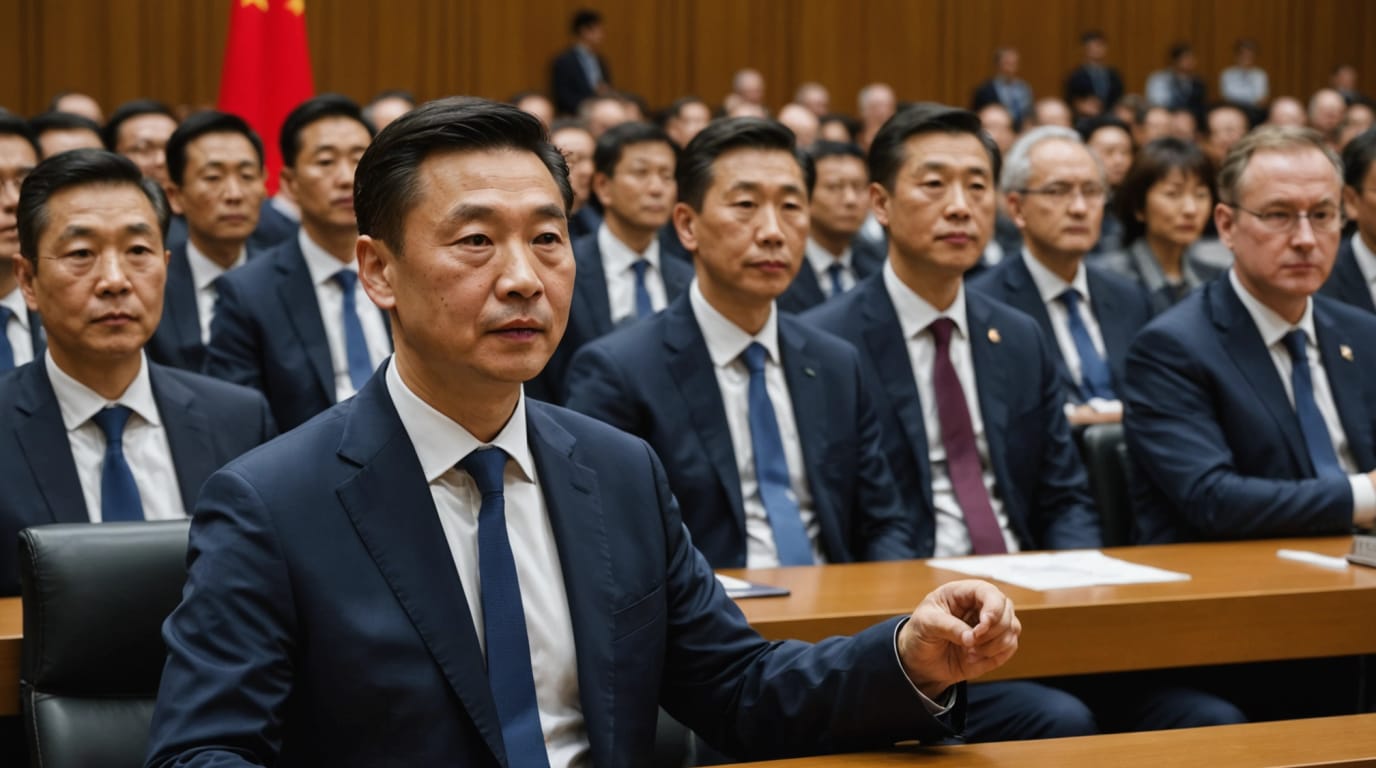
Brussels – The European Parliament is facing a new crisis as Belgian authorities investigate allegations that Chinese technology giant Huawei engaged in bribery and influence peddling, targeting EU lawmakers and officials. Raids were conducted across multiple locations on Thursday, sending shockwaves through the institution and raising concerns about foreign interference in European decision-making.
The investigation, which has been ongoing for approximately two years, centers on suspicions that Huawei sought to продвигать its commercial interests by offering inducements to Members of the European Parliament (MEPs) and their staff. The alleged misconduct reportedly occurred regularly and discreetly from 2021 to the present day, under the guise of legitimate lobbying activities.
Belgian federal prosecutors confirmed that several individuals have been arrested and are being questioned regarding their alleged involvement in "active corruption" within the European Parliament, as well as forgery and the use of false documents. The prosecutor's office stated that the alleged bribery benefited Huawei. The investigation includes suspicions of "remuneration for taking political positions, excessive gifts such as food and travel expenses, and regular invitations to football matches."
Raids and Sealed Offices
More than 100 Belgian police officers participated in the raids, which took place in Brussels, Flanders, Wallonia, and Portugal. Authorities sealed two offices within the European Parliament as part of the investigation. One of the offices belonged to Adam Mouchtar, an official and assistant to newly elected MEP Nikola Minchev. Mouchtar was also a co-founder of EU40, a group formerly headed by Eva Kaili, a central figure in the 2022 "Qatargate" corruption scandal. Mouchtar confirmed his office was sealed but denied any wrongdoing.
Huawei's main lobbying office for the European Union in Brussels was also reportedly searched by police. Staff at the office declined to comment.
Echoes of Qatargate
The Huawei investigation comes just over two years after the eruption of the Qatargate scandal, which involved allegations that Qatari officials bribed EU officials to influence policy decisions. The Qatargate scandal damaged the reputation of the European Parliament and led to calls for greater transparency and stricter ethics rules.
The new allegations against Huawei have further eroded public trust in the institution and prompted renewed demands for reform. Bart Groothuis, a centrist MEP, called for a "clear and forceful response" from the European Parliament, emphasizing that the credibility of the institution is at stake. He urged the Parliament to demonstrate that it has learned from Qatargate and that new anti-corruption measures are effective.
Huawei's Response
Huawei has stated that it is "looking into this" and is "committed to complying with all applicable laws and regulations" in the countries and regions where it operates. However, the company has not yet provided further details or addressed the specific allegations.
Huawei has faced increasing scrutiny in Europe in recent years due to concerns about its ties to the Chinese government and the potential security risks associated with its technology. Several European countries have restricted or banned Huawei's equipment from their 5G networks.
EU's Anti-Corruption Efforts
The European Union has been working to strengthen its anti-corruption framework in recent years. In May 2023, the European Commission adopted an anti-corruption package that includes a proposal for a new directive on combating corruption by criminal law. The directive aims to update and harmonize EU rules on definitions and penalties for corruption offenses.
The EU is also establishing an EU network against corruption, bringing together law enforcement, public authorities, civil society, and other stakeholders to prevent corruption across the EU. The network will support the Commission in identifying areas where corruption risks are high and will contribute to the development of an EU anti-corruption strategy.
Implications for EU-China Relations
The Huawei bribery investigation could further strain relations between the European Union and China. The EU has become increasingly concerned about China's human rights record, trade practices, and geopolitical ambitions.
The investigation may also lead to stricter regulations on Chinese companies operating in Europe, particularly in strategic sectors such as telecommunications. Some EU officials have called for greater scrutiny of Huawei and other Chinese tech companies, citing concerns about national security.
Parliament's Response and Future Steps
European Parliament President Roberta Metsola has been notified of the investigation and has pledged the Parliament's full cooperation with Belgian authorities. The Parliament is expected to launch its own internal investigation into the allegations.
Victor Negrescu, Parliament's vice president for transparency and anti-corruption, described the allegations as "deeply concerning" and emphasized that the Parliament cannot accept individuals under accusations influencing decisions and drafting European legislation.
The investigation is ongoing, and further details are expected to emerge in the coming weeks and months. The outcome of the investigation could have significant implications for Huawei, the European Parliament, and EU-China relations.
The Huawei scandal serves as a stark reminder of the ongoing challenges of combating corruption and foreign interference in European politics. As the investigation unfolds, the European Parliament faces the difficult task of restoring public trust and ensuring the integrity of its decision-making processes. The incident underscores the need for robust ethics rules, transparency measures, and effective enforcement mechanisms to safeguard the institution from undue influence.


