Humpback Whale Stranded in Baltic Sea, Condition Deteriorating as Rescue Efforts Face Mounting Challenges
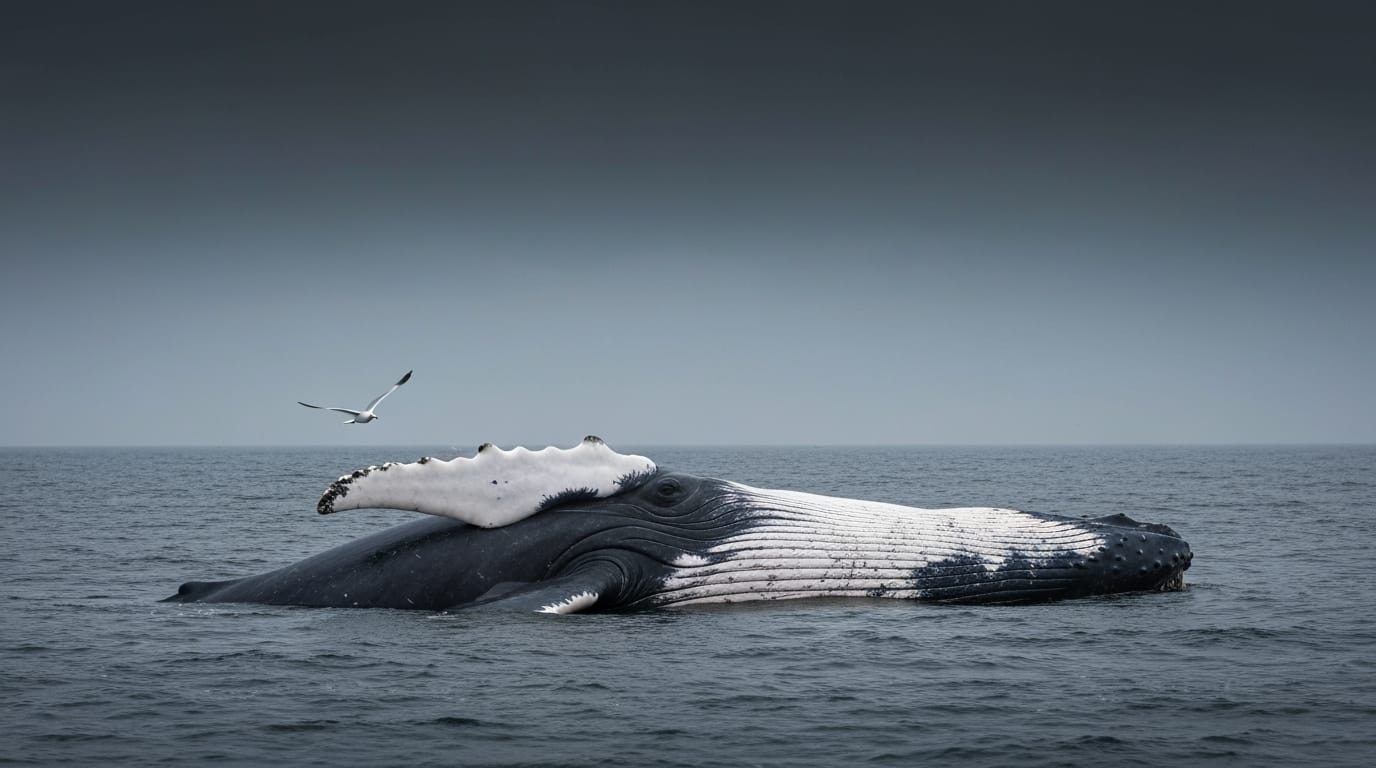
Timmendorfer Strand, Germany – A desperate race against time is unfolding on Germany's Baltic Sea coast, where a humpback whale remains stranded in shallow waters, its condition reportedly deteriorating with reduced movement and diminished reaction to external stimuli. Rescue teams, marine conservationists, and local authorities are grappling with the immense challenge of returning the massive marine mammal to deeper waters, highlighting the complex dilemmas inherent in such large-scale wildlife interventions.
The young male humpback, estimated to be approximately 10 meters (30 feet) long and weighing several tons, became stranded on a sandbank in Lübeck Bay near Timmendorfer Strand early Monday morning. Initial attempts to refloat the whale have proven largely unsuccessful, and experts warn that the animal's chances of survival are dwindling with each passing hour. Its presence in the relatively shallow and brackish Baltic Sea is itself an unusual occurrence, raising questions about its migratory path and overall health.
A Dire Situation Unfolds on the Coast
Since its stranding, the whale has exhibited concerning signs of distress. While still alive, breathing, and occasionally lifting its head, reports indicate it has "barely moved" and is "reacting less to stimuli" as days pass. Carsten Mannheimer of the marine conservation organization Sea Shepherd noted the whale's continued breathing and occasional sounds, but the overarching sentiment among rescuers is one of growing concern. The animal's immense size and weight, coupled with the shallow coastal environment, present formidable obstacles to any effective rescue operation.
Initial efforts on Monday and Tuesday involved a combination of approaches. Coast guard and fire department boats attempted to create large waves around the whale, hoping the surge would provide enough lift to dislodge it from the sand. Firefighter drones were also deployed to guide these efforts. Rescuers even managed at one point to turn the whale so its head faced deeper water, yet the animal subsequently turned back to its original stranded position. High tide during the night was also insufficient to allow the mammal to swim free. These repeated failures underscore the difficulty of intervening with such a large and vulnerable creature without causing further harm.
Complexities of Rescue and Ethical Dilemmas
The challenges facing rescue teams are multifaceted. Experts have cautioned against actively pulling the whale back into deeper water, fearing that such an action could inflict serious injuries upon the animal. Humpback whales, while robust in the open ocean, are incredibly delicate when out of their natural buoyant environment, making any forced movement extremely risky. The compacted sand beneath the animal has also foiled attempts to use a suction dredger to create a channel, as the equipment could not effectively move the dense material. A larger excavator has since been brought in and is being assembled, aiming to dig an artificial channel to facilitate the whale's movement.
Sven Biertümpfel of Sea Shepherd articulated the stark reality of the situation, stating that "if the whale can't get off the beach, it's a death sentence for the animal". This sentiment encapsulates the ethical tightrope rescuers walk: the imperative to save a life versus the potential for causing further suffering through aggressive intervention. Public concern is palpable, with police cordoning off the beach area to keep a large crowd of onlookers at bay and minimize stress on the distressed animal. The sounds of the whale during the night have moved many who came to witness its struggle.
An Unusual Visitor and Broader Ecological Implications
The presence of a humpback whale in the Baltic Sea is a relatively rare event. Humpbacks (Megaptera novaeangliae) are typically found in open ocean environments, undertaking vast migrations between polar feeding grounds and tropical breeding waters. While sporadic sightings occur in marginal seas, the Baltic's shallow depth and lower salinity make it an atypical habitat for these ocean giants. Experts speculate that the stranded whale is likely a young male, as males tend to migrate more extensively than females. It is also believed to be the same whale that had been sighted multiple times in the port of Wismar in eastern Germany in recent weeks, suggesting it may have been disoriented or ill for some time before its stranding.
Further complicating the situation, rescuers discovered parts of a fishing net wrapped around the whale's body, which they managed to cut off. This finding highlights the persistent threat of marine debris and ghost fishing gear to large marine mammals. While it is unclear if the netting directly caused the stranding, entanglement can weaken, injure, and disorient whales, making them more susceptible to becoming trapped in shallow waters. The ongoing incident serves as a poignant reminder of human impact on marine ecosystems, even in seemingly remote areas.
Conclusion: A Grim Outlook Amid Unwavering Dedication
As the days turn into nights, the outlook for the stranded humpback whale grows increasingly grim. Despite the tireless efforts of numerous organizations and individuals, the combination of the whale's declining health, its immense size, and the challenging environment has made a successful rescue extraordinarily difficult. The situation at Timmendorfer Strand encapsulates both the profound human desire to protect wildlife and the harsh realities of natural processes and environmental pressures. Regardless of the ultimate outcome, the plight of this single humpback whale in the Baltic Sea underscores the delicate balance of marine ecosystems and the persistent threats faced by their most magnificent inhabitants.


