Hundreds Arrested as Protests Erupt in Turkey Over Istanbul Mayor's Detention
ISTANBUL — Protests have swept across Turkey following the arrest of Istanbul Mayor Ekrem Imamoglu, a prominent rival of President Recep Tayyip Erdogan, triggering a wave of detentions and escalating tensions in the country. The arrest has sparked widespread condemnation and raised concerns about the state of democracy and freedom of expression in Turkey.
Imamoglu's Arrest and the Charges
Ekrem Imamoglu was arrested in a dawn raid on Wednesday, March 19, 2025, on allegations of corruption and links to terrorist organizations. The charges have been widely criticized by opposition parties and international observers as politically motivated, aimed at removing a popular challenger to Erdogan in the upcoming 2028 presidential race. Along with Imamoglu, dozens of other prominent figures, including district mayors, journalists, and businesspeople, have also been detained as part of the crackdown. Furthermore, Istanbul University announced the cancellation of Imamoglu's university degree, a move that would disqualify him from running for president under Turkish law, further fueling suspicions of political interference. Imamoglu has vowed to challenge the university's decision.
Nationwide Protests and Government Response
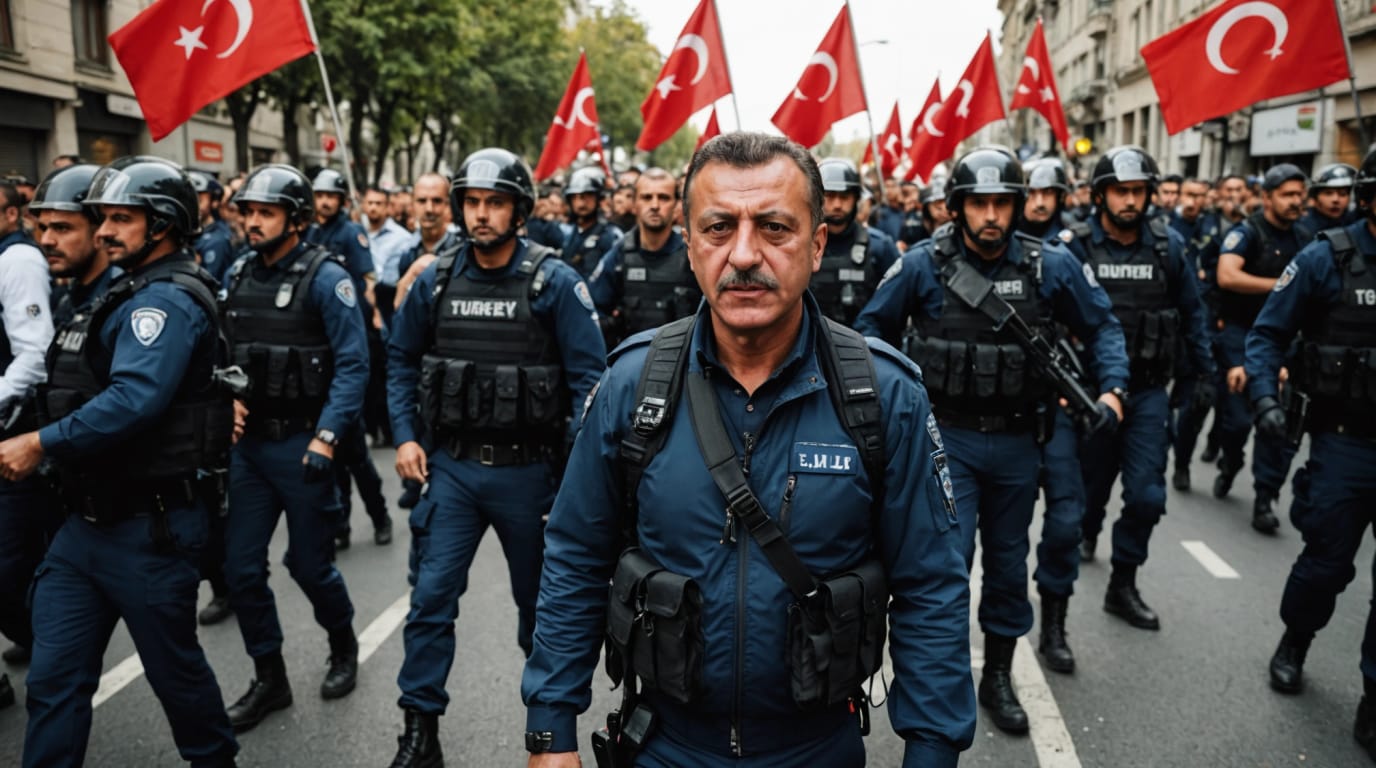
The arrest of Imamoglu has ignited widespread protests across Turkey, with thousands taking to the streets in Istanbul, Ankara, Izmir, and other cities. Demonstrators are calling for Imamoglu's release and expressing their opposition to what they see as a growing authoritarian trend under Erdogan's government. Protesters held signs with slogans such as "Don't be afraid, the people are here" and "Rights, law, justice". In response to the protests, the Turkish government has imposed a four-day ban on political demonstrations and deployed police forces to quell the unrest. Police have used tear gas, pepper spray, and rubber bullets to disperse protesters, leading to clashes and further arrests. Interior Minister Ali Yerlikaya stated that at least 97 people were detained nationwide during the protests, and 16 police officers were injured. Additionally, authorities have detained dozens of individuals for allegedly making "provocative" social media posts related to Imamoglu's arrest.
Opposition and International Reaction
The arrest of Ekrem Imamoglu has drawn strong condemnation from opposition parties and international organizations. Ozgur Ozel, the leader of Turkey's main opposition party, the Republican People's Party (CHP), has called on supporters to continue peaceful demonstrations and has accused the government of using the judiciary as a political weapon. Amnesty International has described the actions as a "massive escalation in the Turkish authorities' ongoing crackdown on peaceful dissent" and has called for the immediate release of Imamoglu and other detainees. International observers have expressed concerns about the erosion of democratic norms and the suppression of dissent in Turkey. The United States and European Union have urged the Turkish government to respect the rule of law and protect the rights of its citizens.
Background: Political Tensions and the Rise of Imamoglu
The arrest of Ekrem Imamoglu comes against a backdrop of increasing political tensions in Turkey. Erdogan's government has been accused of cracking down on opposition voices, limiting freedom of the press, and undermining the independence of the judiciary. Imamoglu, a member of the CHP, emerged as a significant political force after winning the Istanbul mayoral election in 2019, defeating the candidate of Erdogan's Justice and Development Party (AKP). His victory was seen as a major blow to Erdogan, who had controlled Istanbul for a quarter-century. Since then, Imamoglu has been viewed as a potential challenger to Erdogan in the presidential election, making him a target of government scrutiny.
Implications for Turkey's Future
The arrest of Ekrem Imamoglu and the subsequent protests have significant implications for Turkey's political future. The events have further polarized Turkish society and deepened divisions between the government and the opposition. The crackdown on dissent and the erosion of democratic norms raise concerns about the direction of the country under Erdogan's leadership. The outcome of the situation will likely depend on the resilience of the opposition, the response of the international community, and the ability of the Turkish people to exercise their democratic rights.
Conclusion
The arrest of Istanbul Mayor Ekrem Imamoglu has plunged Turkey into a period of political turmoil, marked by widespread protests, government repression, and international condemnation. The events highlight the growing tensions between the government and the opposition and raise fundamental questions about the future of democracy and freedom of expression in Turkey. As the situation unfolds, the world will be watching closely to see whether Turkey can uphold its commitment to the rule of law and protect the rights of its citizens.


