Hungarian Upset Ignites Hope, Strategic Rethink for Israeli Opposition Against Netanyahu
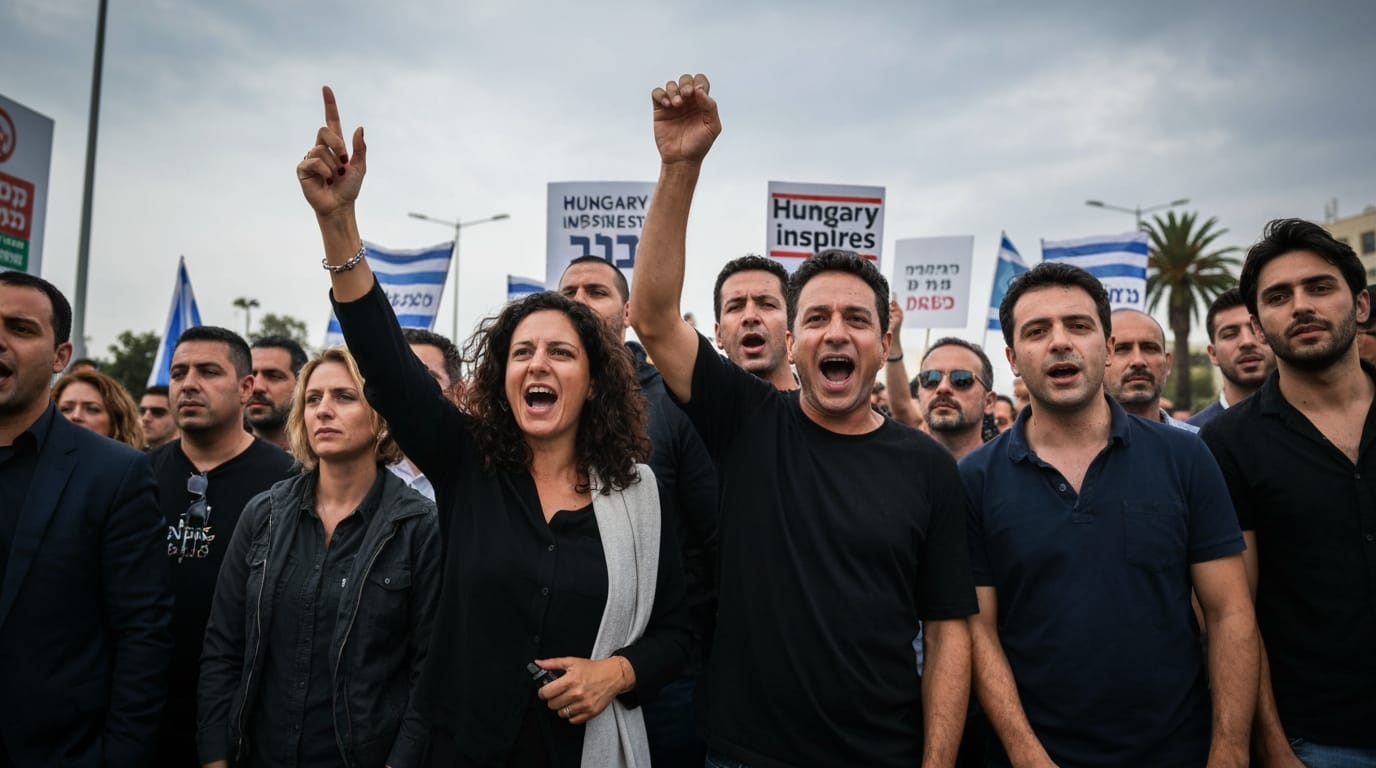
The recent and unexpected electoral defeat of Hungary's long-serving Prime Minister Viktor Orbán has sent ripples of optimism through Israel's political opposition, prompting a renewed examination of strategies to unseat Prime Minister Benjamin Netanyahu. Drawing parallels between the two leaders' prolonged tenures and their approaches to governance, Israeli political factions are now dissecting the Hungarian playbook, hoping to find a blueprint for challenging a dominant political figure widely perceived as entrenched. The stunning upset in Budapest offers a potent psychological boost and practical lessons for those campaigning to end Netanyahu's significant influence on Israeli politics.
The Orbán Era's End: A Study in Political Resilience and Reversal
For 16 years, Viktor Orbán solidified his power in Hungary, cultivating an "illiberal" brand of democracy that critics argued systematically eroded democratic norms. His Fidesz party's dominance was marked by efforts to subjugate the judiciary, antagonism toward the European Union, a crackdown on civil society, and a significant consolidation of media influence under government allies. Orbán was seen as a pioneer of tactics that critics suggest Netanyahu has also attempted, such as efforts to neuter the Supreme Court. Through clever electoral rule changes, Orbán often secured supermajorities, making him appear almost unassailable.
However, the April 2026 elections witnessed a dramatic shift. Peter Magyar, a former insider who defected from Fidesz, emerged as a unifying opposition figure, leading his Tisza party to a decisive victory. Magyar's success was rooted in several key strategies: prioritizing unity over ideological differences, focusing on widespread discontent over corruption and the country's economic woes, and launching a vigorous grassroots campaign that reached beyond traditional opposition strongholds into rural areas. Crucially, centrist and left-wing parties voluntarily withdrew their candidacies in many areas, effectively creating a direct, one-on-one contest against Fidesz. This strategic consolidation, coupled with an almost 80% voter turnout, proved to be Orbán's undoing, demonstrating that even long-established populist leaders can be defeated.
Netanyahu's Enduring Grasp and Echoes of Illiberalism
In Israel, Prime Minister Benjamin Netanyahu has similarly dominated the political landscape, serving over 15 years, with only an 18-month interruption. Like Orbán, Netanyahu has been accused of advancing nationalist agendas, emphasizing perceived external threats to rally domestic support, and expressing distrust of international institutions. His ongoing corruption trial and previous attempts at judicial reform have drawn comparisons to Orbán's legislative maneuvers aimed at centralizing power. During mass protests against judicial reforms in Israel, the chant "Israel will not become Hungary" became a prominent slogan, highlighting a shared concern among segments of the populace about democratic backsliding.
Netanyahu's long tenure has been characterized by a fragmented opposition often unable to coalesce effectively. Despite multiple elections in recent years, the opposition has struggled to maintain a united front capable of consistently challenging his Likud party's strength. This fragmentation has allowed Netanyahu to navigate complex coalition formations, often retaining power even when his mandate appeared precarious.
The Israeli Opposition's Hungarian Blueprint
The Hungarian election results have injected a fresh sense of urgency and possibility into the Israeli opposition. Figures like Member of Knesset Gilad Kariv of the liberal Democrats party have openly celebrated Orbán's defeat, signaling "Israel, soon" and suggesting a new chapter is on the horizon. The UnXeptable movement, born from protests against judicial reforms, echoed this sentiment, calling for all who believe in a "Jewish and democratic Israel to stand together."
Former Prime Ministers Naftali Bennett and Yair Lapid have explicitly drawn inspiration, announcing the formation of a new political alliance called "Together" (Yachad) to contest the upcoming elections, slated for October 2026. This alliance aims to consolidate the fragmented opposition into a single electoral force, deliberately setting aside ideological differences for the larger goal of unseating Netanyahu. Bennett, who briefly dislodged Netanyahu in 2021, is being positioned by some as a potential "Peter Magyar-style" figure: a right-winger leading a big-tent, "anyone-but-him" campaign. The "Together" party's platform reportedly includes demands for accountability regarding the October 7, 2023, security failures and a pledge for prime ministerial term limits, directly addressing key public grievances.
Challenges and Unique Israeli Realities
While the Hungarian model offers valuable lessons, its application to Israel faces significant challenges. The political contexts, though bearing superficial resemblances in leadership styles, differ substantially. Hungary's recent electoral outcome was heavily influenced by widespread public anger over corruption and a deteriorating economic situation, issues that resonated deeply across the electorate. In contrast, while corruption charges against Netanyahu are prominent, Israel's political discourse is frequently dominated by existential security concerns, particularly amplified since the October 7 attacks and the ongoing conflict in Gaza.
Moreover, the Israeli opposition's history is rife with internal divisions and personal rivalries, often making sustained unity difficult. The sheer number of political parties, each with distinct ideologies and agendas, presents a formidable obstacle to forming a cohesive, single-candidate front akin to what Magyar achieved. Critics also point out that even if Netanyahu were unseated, a successor from the right might still share many of his core political ideas, suggesting a deeper ideological battle beyond mere leadership change. Netanyahu's proven ability to attract defectors from opposing blocs or remain in a caretaker capacity if no clear winner emerges adds another layer of complexity for his challengers.
Conclusion: A Wary Optimism
The defeat of Viktor Orbán in Hungary has undeniably infused the Israeli opposition with renewed vigor and a tangible example of how a long-serving, populist leader can be overcome. The strategies employed by Peter Magyar, particularly the emphasis on unity, anti-corruption, and broad grassroots appeal, are now being closely scrutinized and, in some cases, directly emulated by Israeli political figures. The formation of alliances like "Together" signals a concrete attempt to apply these lessons.
However, Israel's unique political landscape, dominated by complex security considerations and deeply entrenched ideological divides, means that translating the Hungarian blueprint into an Israeli success story will be far from straightforward. The path to unseating Benjamin Netanyahu remains fraught with historical challenges and inherent political complexities. While Budapest has provided a "message of hope," the ultimate success of this inspired opposition bid will depend on its ability to transcend its own historical fractures and adapt the lessons learned to the distinct realities of Israeli politics.


